
 300AD - STOCK.ADOBE.COM PHOTO
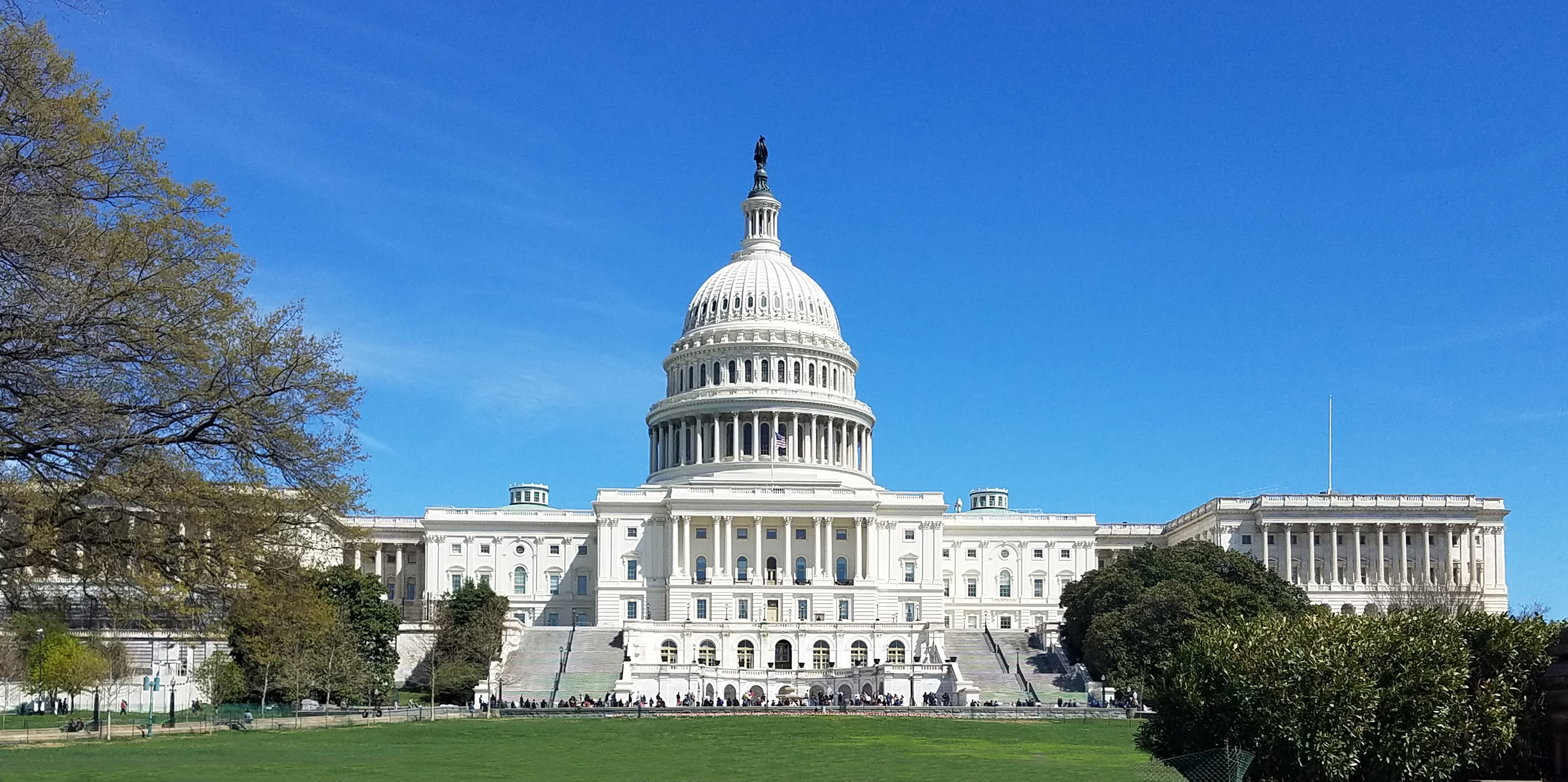
The Marine Retailers Association of the Americas this month participated in a Small Business Legislative Council fly-in in Washington, D.C., to discuss small-business issues impacting boat dealers and potential regulatory hurdles.
MRAA government relations director Mike Sayre and government relations manager Chad Tokowicz addressed issues impacting the group and its members, including the implementation of the Corporate Transparency Act, the small-business benefits of the Tax-Relief for American Families and Workers Act of 2024, and the Tax Cuts and Jobs Act of 2017.
“This was a great opportunity to get to know other members of the Small Business Legislative Council and share our own issues and concerns with other small business trade associations,” Sayre said in a statement. “The diversity of industries represented, as well as the expertise brought together by the SBLC, will be a great asset for the MRAA and its members going forward.”
MRAA and the Association of Marina Industries also met with White House officials, requesting that NOAA Fisheries withdraw its proposed amendments to the vessel strike rule to protect right whales. The associations advocate for reopening the docket to gather additional public comments on alternative measures other than speed restrictions.
In a letter addressed to Secretary of Commerce Gina Raimondo and in comments during the meeting, MRAA and AMI emphasized the detrimental impact that the proposed rule would have on the boating and fishing industries, with a focus on retailers and marinas.
“The proposed 10-knot speed limit severely underestimates the economic impact on small businesses and the broader coastal economy,” Sayre said in a statement. “Our survey indicates that the rule could result in an annual economic loss exceeding $2 billion for marine dealers, brokers and marinas along the Atlantic Coast. This is far greater than the $46 million impact estimated by NMFS, and our survey doesn’t take into account the impact on marine manufacturers, the recreational fishing industry, nor the coastal communities that rely on boaters as an economic driver.”
MRAA and AMI presented survey data showing potential losses in sales, services and dockage revenues, emphasizing that many boating activities would become untenable under the proposed rule.
“We strongly critiqued NMFS for missing the mark with their initial Regulatory Flexibility Analysis, keeping in mind that our job is to ensure that the interests of dealers are not being overlooked, and key decision makers understand how the proposed rule will negatively impact our members,” Tokowicz said. “Our message centered on the deficiencies of the IRFA and the unconsidered effects on thousands of marina tradesmen and women. The entire focus of our meeting hinged on the fact that the impact to recreational boat dealers was not properly taken into account, and we are fighting to ensure that the agency is held accountable for what the economic numbers demonstrate is a gross oversight.”
Click here for a complete rundown of the fly-in.