
During the past 30 years, I have published hundreds of articles and six books. I am not a hypocrite; I have walked the talk, doing exactly what I recommend others do. However, I have not set a good example regarding the value of being bored, and I need to heed the words you’re about to read as much as anyone else. I don’t like to be bored.
To avoid boredom, I keep myself very busy with a demanding job that requires a lot of time. In addition to my work as CEO of Correct Craft, I exercise every day and spend as much time as possible with Rosie, my granddaughter, keeping my schedule full. When I do have free time, even walking through a store or airport, my Kindle and Audible apps provide something to read, allowing me to finish dozens of books a year. If after all that some free time does become available, there is always my addictive game of choice: Drop7.
However, even though I am always trying to stay busy and mentally stimulated, I understand that creativity often comes from boredom. Even Steve Jobs, a very creative guy, said he was a “fan of boredom,” adding that people who are always busy are likely to miss important connections between ideas. Supporting Jobs’ theory, there are many examples of folks who have used downtime to their own — and the world’s — benefit.
I have written about Isaac Newton, perhaps the smartest person to ever live. Newton developed the scientific theories upon which the modern world is built while isolated on his family farm during the Great Plague, lasting from 1665 to 1666. We all benefit from Newton’s boredom.
J.K. Rowling has stated that the idea for her Harry Potter novels came while she was stuck on a delayed train. The world’s bestselling mystery author, Agatha Christie, reported that many of her best ideas came to her while doing routine housework, which freed her imagination and helped her create great stories.
Albert Einstein said that the boredom of his patent-office job gave him the space to think and advance many revolutionary thought experiments, including ones that helped him develop the theory of relativity. Bill Gates is known for spending a couple of weeks a year at his solitary cabin for “think weeks.” It’s clear that boredom has benefits.
Building on these examples, a few years ago I read Tribe of Mentors by Timothy Ferriss. Ferriss interviewed people he considered successful, asking them about their secrets to success. I was surprised that the most common habit of the people Ferriss interviewed was daily meditation. It was fascinating to learn that many successful people attribute their success to meditation, which is basically self-induced boredom. So even though many find boredom painful, including me, it can actually be beneficial.
The person I believe best makes the case for the benefits of boredom is Manoush Zomorodi, a journalist and the author of the excellent book Bored and Brilliant. In the book, Zomorodi argues that creativity thrives in boredom. She also argues that people will go to great lengths to avoid boredom, even citing a University of Virginia study that demonstrated people would prefer mild electric shocks to being bored. In a weird way, I can understand that.
This avoiding boredom at all costs mentality is significantly costing us as individuals, organizations and society. Zomorodi makes compelling arguments for embracing some boredom and just doing nothing, which will activate our brain in ways that improve both our creativity and well-being. Zomorodi also argues that our constant focus on screens to avoid boredom has a materially negative effect on our ability to engage deeply and be creative.
Jonathan Haidt, author of several bestsellers, including The Anxious Generation, argues that increased screen time is a key reason for the global decline in emotional health that began in 2012. He backs his findings with great research. So if screen time can negatively impact emotional health, it certainly can impact someone’s creativity and relationships.
In another excellent book, The Comfort Crisis, author Michael Easter argues that our aversion to discomfort drives our obsession with not being bored. Easter argues that for most of human history, folks were uncomfortable, and our current obsession with comfort is undermining our physical, emotional and spiritual health. Since boredom is uncomfortable, we avoid it and lose the benefits that come with it.
If we agree that boredom, even just downtime, has benefits, what should we do? Here are some thoughts.
• Be intentional: Create space to be bored. It likely won’t happen naturally if you default to using your phone for boredom avoidance.
• Disconnect: Try a “tech sabbath” or simply drive to work with no music, audio books or other stimulation.
• Meditate: The evidence is overwhelming: Meditation is helpful.
• Use your vacation time: While it’s not always boring, time off the job can free up your brain for new thinking. (I have not set a good example with this, but I always experience a creative spurt when I do take time off.)
Being intentional about being bored seems simple, but we don’t do it. We can get insights on our failure to execute what we know we should from what’s known as the Good Samaritan Study. In the study, theological students at Princeton University had a desire to do what they knew was right but didn’t because they were too busy. Similarly, many will read an article like this one and think, That sounds great, but I am way too busy to try to be bored. What if being too busy to do what you know you should be doing is costing you dearly?
As I noted, I need this information as much as anyone. I know it is not easy, but I hope you will join me in a quest to be bored, at least a little.
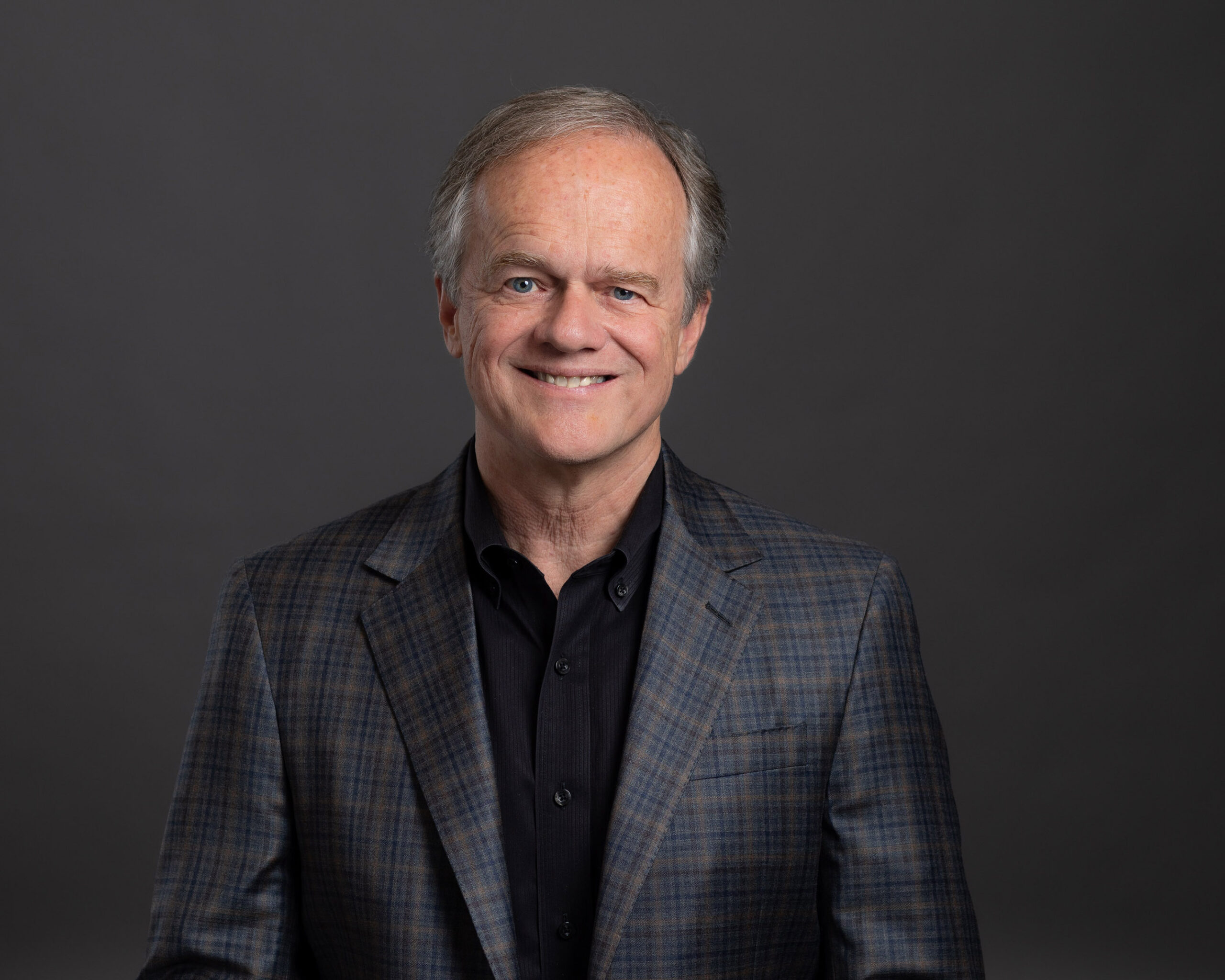
Bill Yeargin is CEO of Correct Craft and the author of six books, including the bestseller Education of a CEO.