

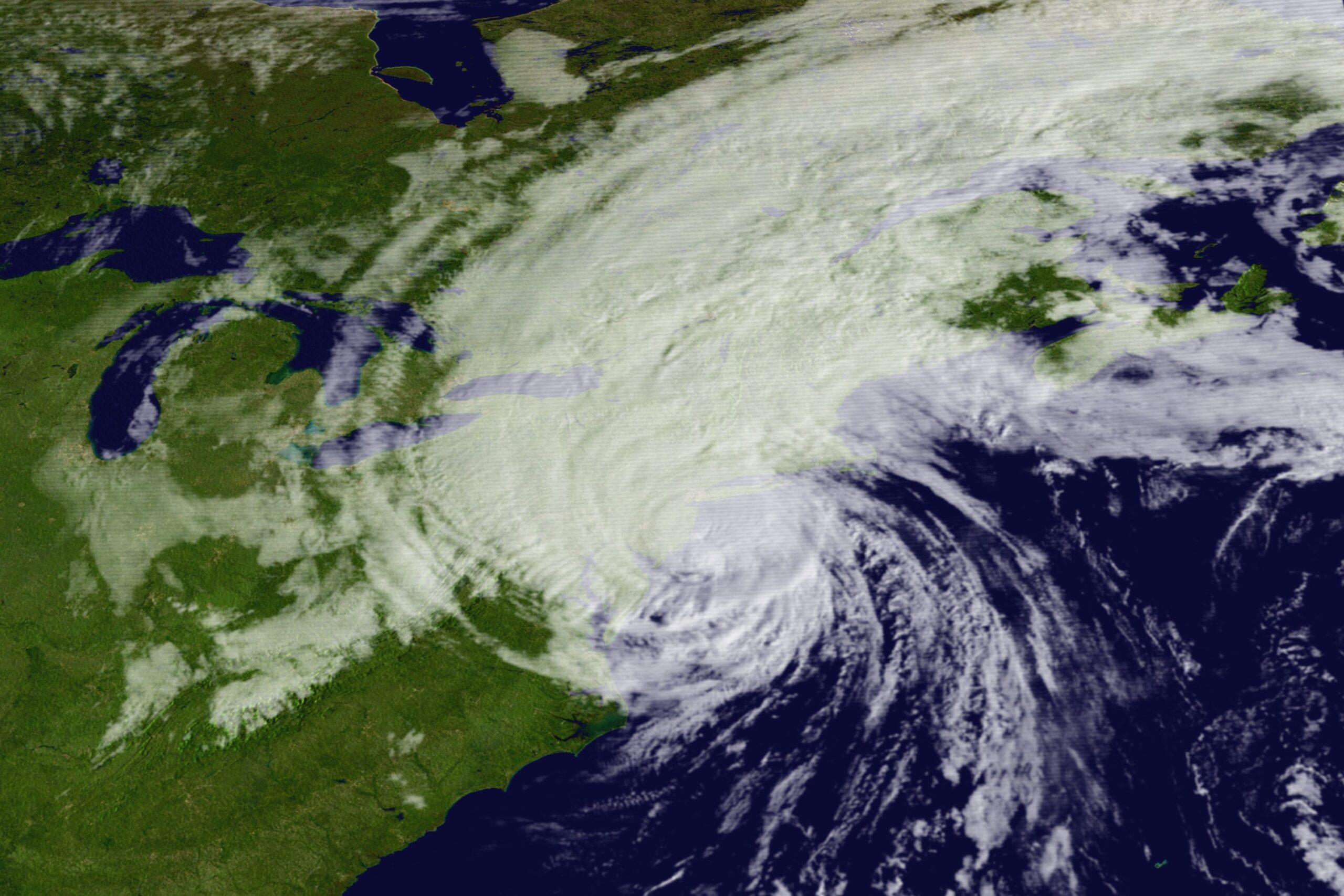
Two days before a Department of Defense satellite data feed was scheduled to cease, the Pentagon announced that satellite data critical to hurricane intensification forecasts would continue to be shared by the Department of Defense for the near future. Officials originally announced that the stoppage of the data would occur in late June, then postponed the deadline until July 31.
According to a report in The Washington Post, officials at the National Oceanic and Atmospheric Administration stated Tuesday that they now expect “no interruption” in the data, which forecasters use to detect storm intensification. Known as the Defense Meteorological Satellite Program, the microwave-based readings can detect storm patterns at night, which is especially valuable for warning coastal communities in the track of a hurricane.
The Post reported that the U.S. is replacing the satellites with new environmental satellites, one of which launched last year and began operating in April. Another is scheduled to launch in 2026 and begin operating in 2027.
“The last-minute move averts a crisis for forecasters who rely on the data to predict dangerous and potentially deadly episodes of rapid intensification, and their computer models that use data from these microwave imagers to predict the movement and intensity of hurricanes,” meteorologist Michael Lowry noted in his Substack feed, Eye on the Tropics.
Lowry also said he has “confirmed with scientists responsible for developing and maintaining NOAA’s crucial hurricane models and AI-powered algorithms that they won’t suffer any hiccups this hurricane season since data from the satellites will continue to flow.”