
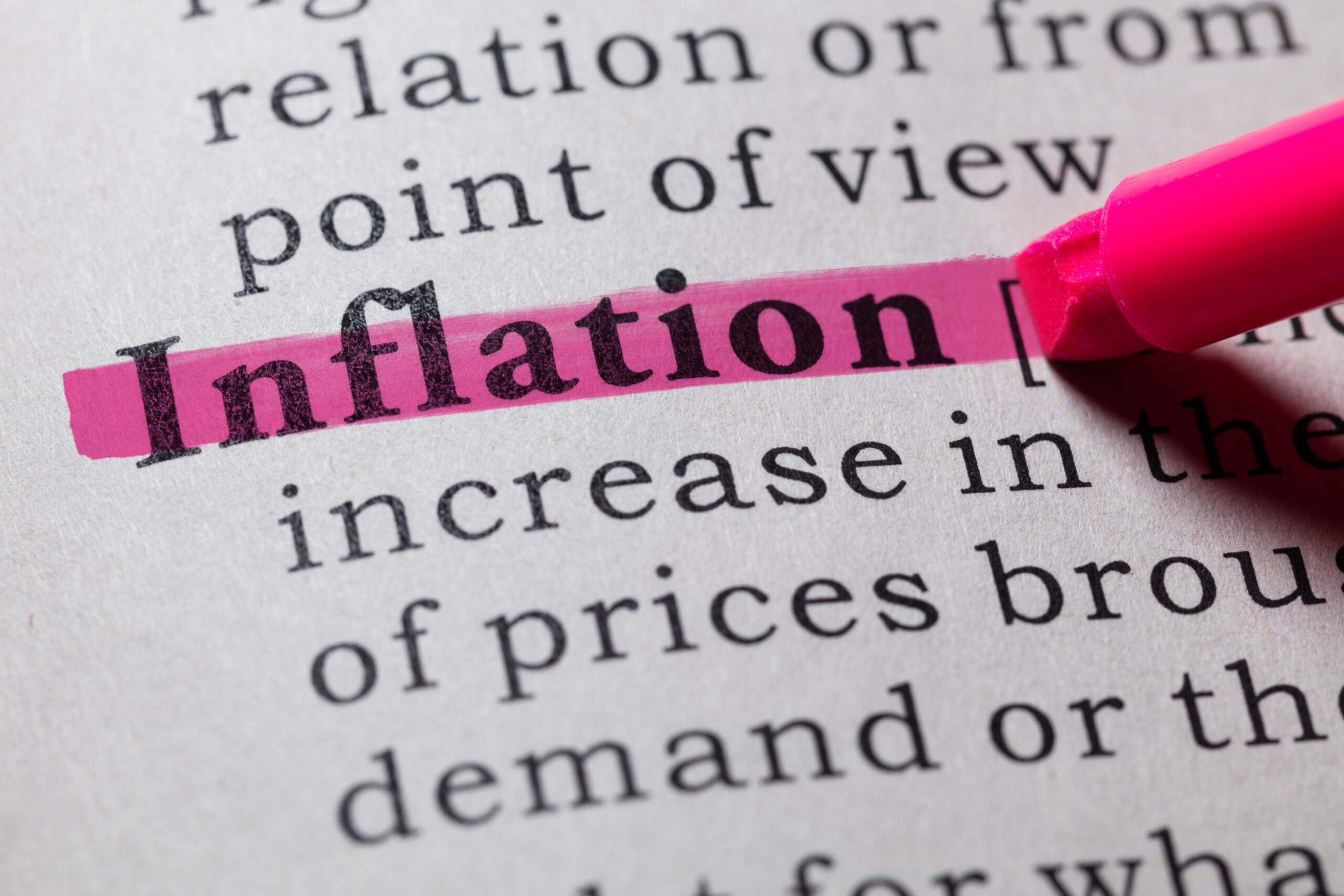
The U.S. Labor Department this morning announced in a statement that consumer prices rose 2.7% in June, a 0.3% increase from 2.4% in May. The core inflation rate, excluding volatile food and energy prices, was 2.9%, which is in line with economist forecasts.
The increase is seen as a sign that companies may have started to pass tariff costs to consumers, according to reporting by The Wall Street Journal: “Economists generally agree that tariffs raise prices and hurt economic growth but disagree over how big the impact of the White House tariffs will be, or when any price increases might start to show up. Many companies rushed to fill up their inventories by buying goods before tariffs took effect, making it easier for them to hold off on price increases in the spring.”
According to the U.S. Department of Labor statement, gasoline prices rose 1% in June, after falling 2.6% the previous month. Grocery prices also rose, ticking up 0.3% in June, or 2.4% from the same time last year.
The price pressures will make it more difficult for the Federal Reserve to consider interest rate cuts when it convenes July 30. According to The New York Times: “For the Fed to cut interest rates, it either needs to have in hand evidence that inflation is indeed under control and not at risk of flaring up, or that the labor market is weakening a lot more.”