 Courtesy NMMA
The marine industry has had a historic run the past several years. We’ve been able to strengthen our companies and support our beloved communities, staff and families. We’ve operated innovative, people-first organizations and inspired others to do the same.
We have seen post-pandemic societal, political and marketplace shifts in how people live, work and play, broadening outdoor recreation in ways we’ve never seen. The result: record consumer spending on recreation, including boats, RVs and other outdoor activities.
We were also in an extraordinary market with little to no competition for the consumer’s time, mindshare and wallet. And we knew that competition would eventually come back, with a vengeance.
Today, the competition is back, and so is uncertainty. In recent months, we’ve seen consumers hit pause on spending as some economic indicators took a turn for the worse. This behavior is still unfolding. Boating, travel and hospitality are all down from highs earlier this year. Inflation, stock-market volatility and talk of a global recession have increased.
New-boat sales have dipped below our 2019 prepandemic pace, demonstrating that the combination of economic uncertainty and competition are starting to be felt. It’s prudent to proceed cautiously, but make no mistake: 2022 was still a strong year for our industry, and there’s much to be optimistic about.
For instance, while supply-chain challenges were far from ideal, the shortage prevented us from overproducing, as some industry sectors did during the past two years. Dealer inventories remain fairly lean, signaling that pipelines are still being refilled and profit margins should hold. This leaves us in a much healthier position than past slowdowns.
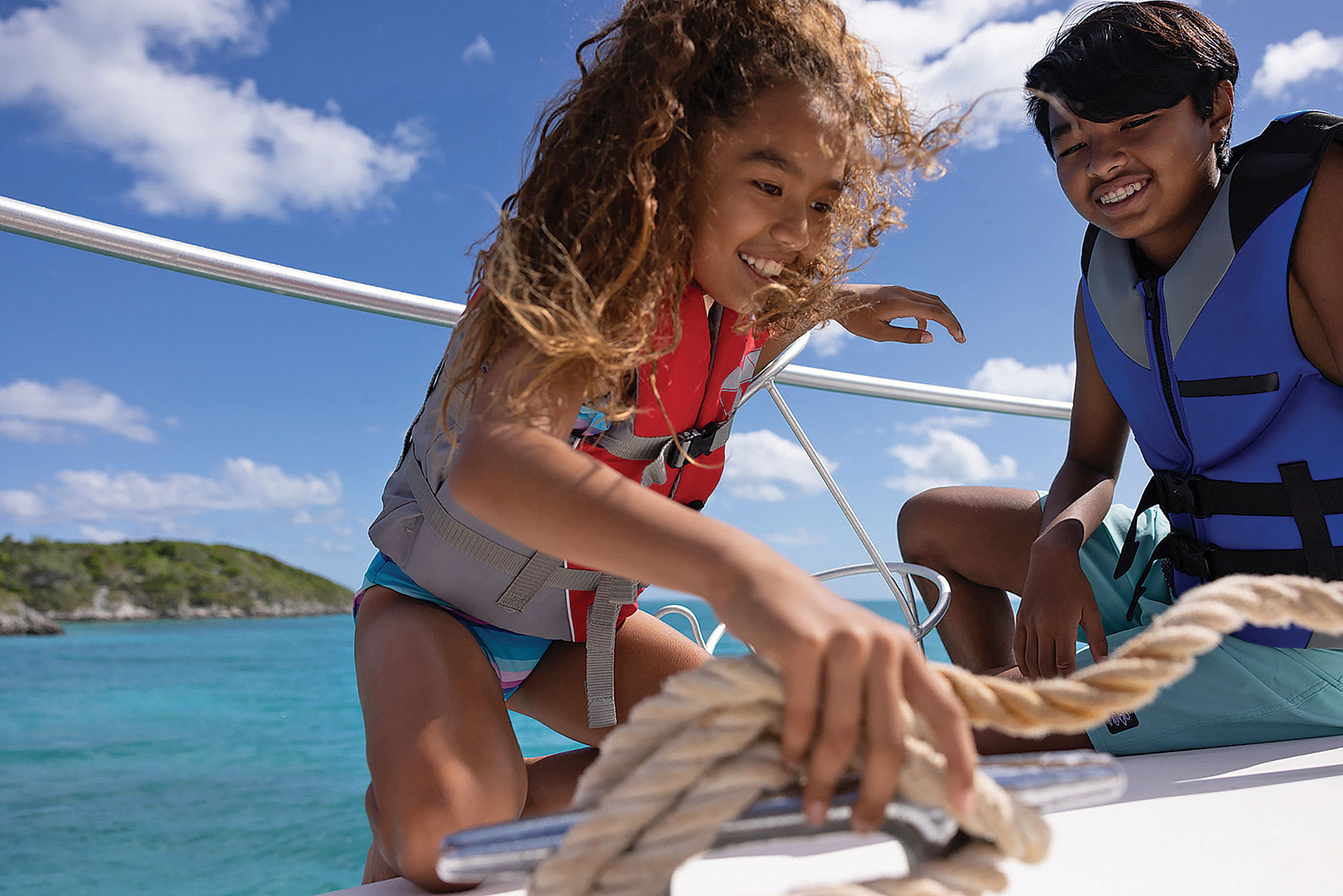
Since 2020, we’ve welcomed more than 800,000 first-time boat buyers. They entered the sport through the new and preowned sides. And overall, the increase of new boaters, renters and boat-club members positions us well for future seasons.
In addition, the pandemic’s great migration toward quality-of-life communities combined with an increased desire for outdoor experiences proves that Americans continue to prioritize a life well-lived. This means we have a greater shot than ever at expanding our market share beyond our core audience. This is something our research shows we haven’t done yet — leaving a large, untapped market waiting to be welcomed to the water.
Yes, there are headwinds, but there is also opportunity. And the National Marine Manufacturers Association has been preparing for this moment in two crucial ways. The first way is through industry advocacy efforts. We’ve been focused on areas that will help the industry weather any storm and prepare for the future.
This year, Congress and the Biden administration took bipartisan action to address our country’s aging infrastructure. Throughout the negotiations, the NMMA and our partners in the outdoor recreation industry were at the table, ensuring that our community received its fair share of the historic investments.
We are already seeing the fruits of this multiyear effort. During the past year alone, tens of billions of dollars have poured into boating access and conservation projects in all 50 states. And more is coming. This means that communities with waterways, marinas and boat ramps will be better-equipped to get more people on the water and keep them on the water.
For the past three years, our industry was saddled with punitive export tariffs on shipments to our largest international markets, resulting in the loss of hundreds of millions in made-in-America boat sales. The NMMA led the fight to reverse the tariffs and eliminated the European Union and United Kingdom 25 percent retaliatory tariffs this past spring. Exports played a key role in offsetting lost sales during the last recession, so reopening these markets, prior to a downturn, was essential to preserving industry health.
Finally, with almost all semiconductor chip manufacturing occurring overseas, primarily in Taiwan, our industry’s access to these vital components slowed to a drip during the pandemic, leading to significant production delays. Semiconductors have been the brains of marine engines for years, and now chips are becoming the brains of the entire boat. It is not uncommon for a boat today to contain more than 100 semiconductors. That number will continue to rise as products become more connected and electrified.
When Congress and the Biden administration zeroed in on bipartisan legislation to bolster domestic chip manufacturing, we worked to ensure that marine manufacturers would be better-positioned to deliver the advanced, next-generation products that future consumers will expect.
In the months ahead, the NMMA will work with our international partners to establish a road map for next-generation marine propulsion systems and energy. And with the recent elections, we will soon be introducing the marine industry to the next members of Congress.
We must remain vigilant and build political champions on both sides of the aisle because changing politics, policies and regulations never stop. There will never be political predictability, but we will work to proactively engage federal, state and local policy-makers across the political spectrum so they understand what is most needed to support a thriving marine industry.
The second crucial area of preparation has been expanding boating’s market share through Discover Boating. Powered by the NMMA and the Marine Retailers Association of the Americas, Discover Boating grows and retains interest in boating, and nurtures participation by the next-generation consumer.
This work is important because we went into the pandemic with 16 percent diverse market share. Two years later, despite our growth, still have a 16 percent diversity share. It’s evident that the industry is comfortable selling to the same, already-captured audience. This leaves money on the table because demographics show that we now live in a country that is 40 percent diverse.
Discover Boating is leading the charge to evolve how we market as an industry, guided by extensive research to make sure we’re reaching the right audiences in the right places. And the new campaign strategy has been working; we’ve engaged younger, more multicultural, next-generation boaters while still reaching our traditional audience.
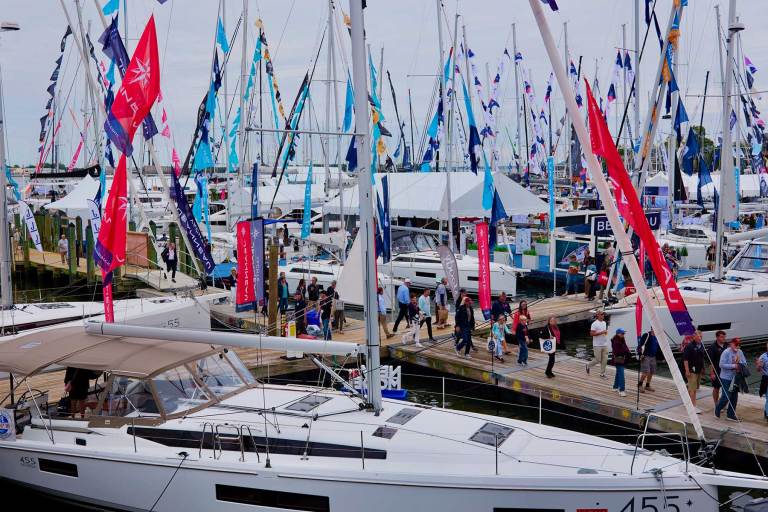
Central to our omnichannel strategy is uniting the Discover Boating brand and digital assets with our industry-owned boat shows. We saw how this took shape with the resounding success of the first Discover Boating Miami International Boat Show in February. This winter, for the first time, all of the NMMA’s industry-owned boat shows will be under the Discover Boating umbrella. The impact this will have on the brand’s marketing muscle cannot be understated. We’ll be louder, more consistent and have the reach to better-engage new target audiences.
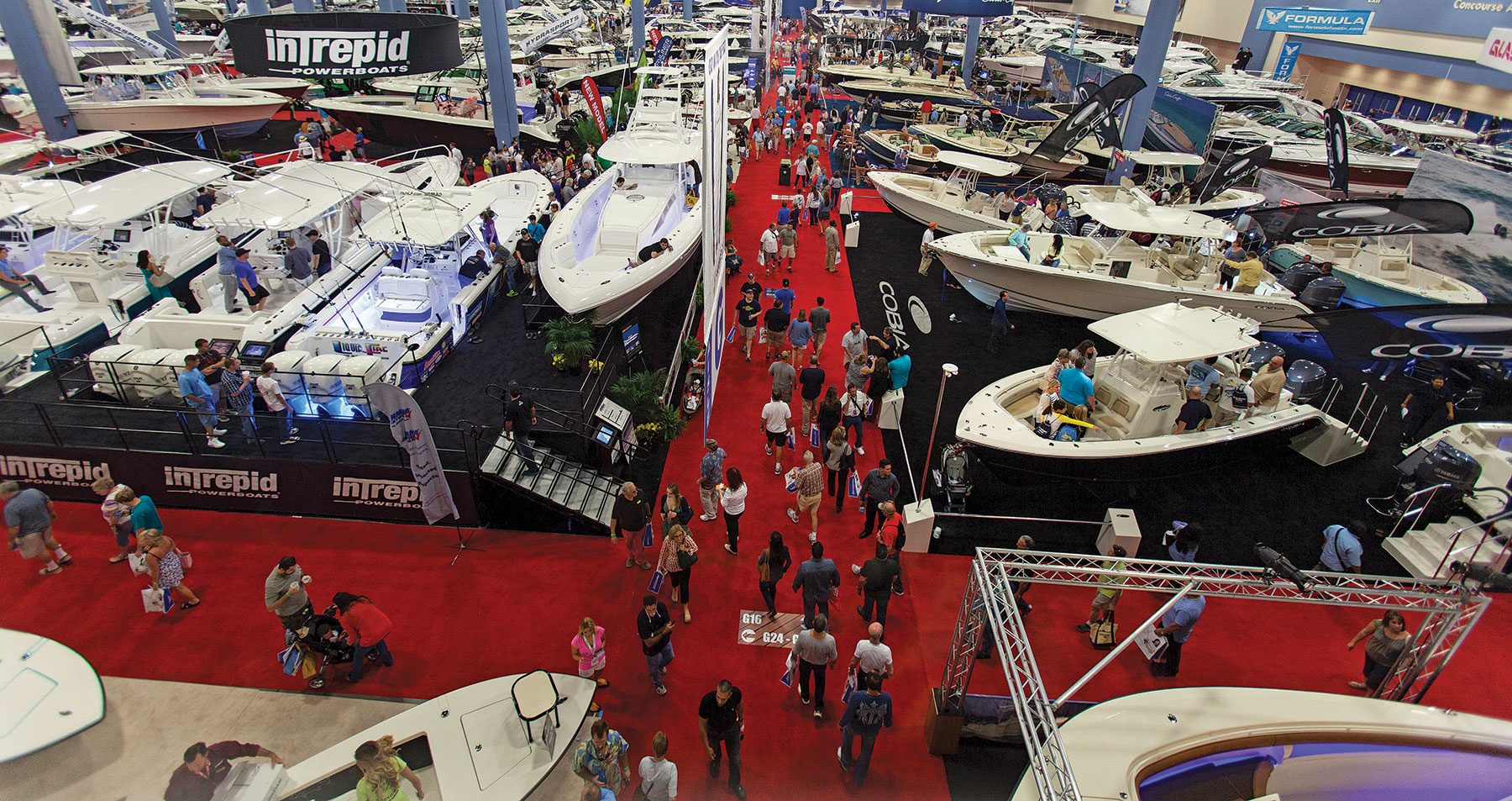 PHOTO: CHARLES PLUEDDEMAN
The NMMA has been preparing for this moment. We will help cement industry gains by relentlessly advocating for our issues, ensuring that policy-makers prioritize boating and access, inviting more people to experience the boating lifestyle, and educating those new consumers online and at experiential shows so that the recreational boating industry rises above the growing competition.
Yes, we face headwinds, but considering the vital role we have played, and continue to play, and the opportunities that surround us, the future for recreational boating remains bright.
Frank Hugelmeyer is president and CEO of the National Marine Manufacturers Association.
This article was originally published in the December 2022 issue.