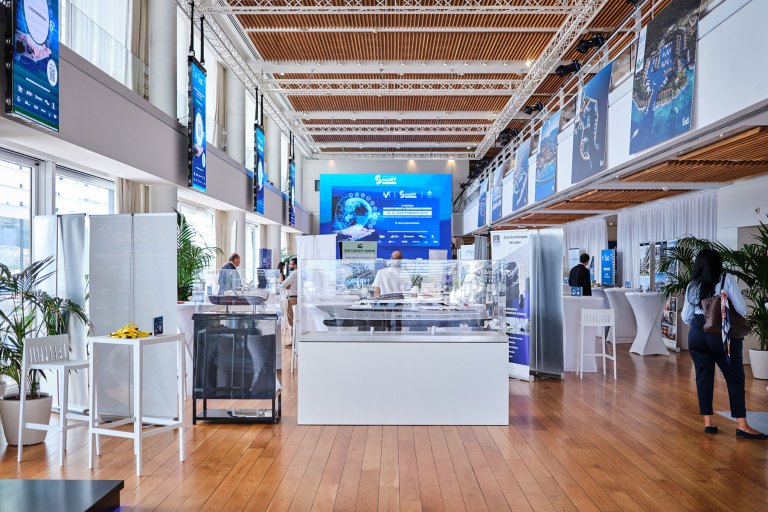

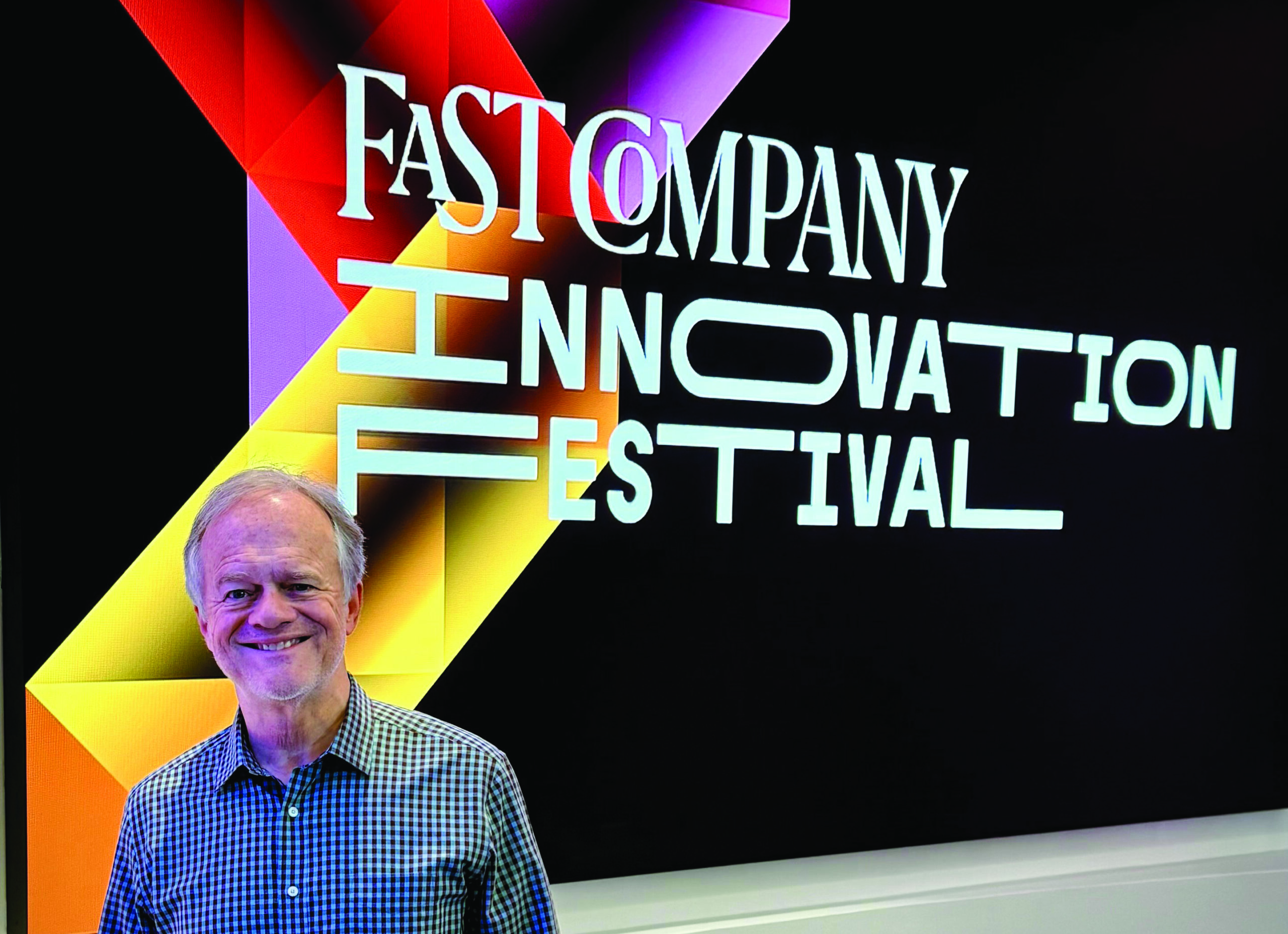
For several years I have wanted to attend the Fast Company Innovation Festival, held every September in New York City. This year, the festival took place when I had time available on my schedule, so I went. I’ll start by saying that if there is any way you can go in 2026, do it. The event was outstanding, with great topics and speakers. I learned a lot, and here are some highlights that can help any leader.
Jonathan Haidt is one of my favorite authors and intellectuals. He always makes me reflect, and his books have had a huge impact on our nation’s collective thinking. So I was thrilled to see him on the agenda. In his recent bestseller, The Anxious Generation — a must-read for any parent or grandparent — Haidt explains the recent increase in global mental health issues, particularly anxiety, since 2012. One of the problems he identifies is a lack of outside activities for kids with measured risk. Parents have become overprotective by keeping kids close, which often means staying indoors.
The boating industry has the solution to this problem. Boating provides children with a chance to get outside and wakeboard, wake surf, fish, water ski or go tubing. This ties nicely with Wallace J. Nichols’ Blue Mind, which states that people are healthier emotionally, physically and spiritually when they are on, near or in the water.
Myechia Minter-Jordan, CEO of the American Association of Retired Persons, shared some interesting insights at the festival and changed my perspective on recent data that has worried boating industry leaders. Many industry leaders, including me, have been concerned that in 2024 the average age of a new boat buyer was 60. Many of us are collaborating to drive that age down.
Minter-Jordan explained that only 34% of the U.S. population is older than 50, but the group accounts for 56% of consumer spending. Older folks are the ones with money, and they are spending it; maybe we should do a better job of embracing this. Previous industry research has taught us that people who buy boats later in life are those who had positive boating experiences when they were younger. So with whom are those 60-year-old buyers spending time on their boats? Their kids and grandkids, of course. That means older boat buyers are helping our industry by inspiring our future boaters. By seeing the current situation a little differently, we can better market to our current buyers.
Somewhat related, Minter-Jordan said it is a myth that older folks are not digitally savvy. Most older folks can navigate technology just fine, as they do on their boats.
Brene Brown, who has written six books that achieved a No. 1 ranking on the New York Times bestseller list, had several thought-provoking comments. She spoke about leadership being both poetry and plumbing, meaning an organization needs both inspiring values and vision while also executing extremely well. She spoke about the importance of executive presence, which often results from great preparation. And she explained why every leader, no matter how good, needs a coach.
Starbucks CEO Brian Niccol’s hiring last year has generated a fair amount of controversy, but there is no denying his obsession with improving the company’s customer experience. His presentation was inspiring and a great reminder that we need to stay focused on constantly improving every detail of the customer experience.
Other speakers also shared thought-provoking ideas. Here is a sampling.
Be careful when hiring people who are huge fans of your brand. They often are more into the brand experience than the work you need done. You can easily step into a bad employee situation while also losing a brand enthusiast. This happened a few years ago with a hire who was excited to join our Correct Craft team but didn’t work out.
Most entrepreneurs are not careful enough when beginning a relationship with a new investor. Investor relationships can be more complicated than spousal relationships. Accepting an investment is just the beginning of what can be a very complex relationship.
Creativity rarely happens when you are busy. People are often surprised when their best ideas occur while they are in nature or enjoying a relaxing day off. Building downtime into your schedule is the single best way to generate creative ideas. Isaac Newton, the man whose scientific discoveries laid the foundation for many of the things we enjoy today, had his best thinking when he was off work avoiding the plague on his family farm.
Build a company as if you will never sell it. Not only will it give you the option to keep what you have built, but it will also ensure that if you do sell, your legacy has a much better chance of surviving.
Surround yourself with people who will say no. Surrounding yourself with yes-folks will ultimately lead to disaster.
There was also a lot of discussion at the festival about brand management. Most organizations build their brand around great products. If your brand is built around product only, someone can always build something better or sell competitive products at a lower price. Building a great brand requires not only great product, but also the development of a deep, emotional connection with your customer. Developing that connection between customer and brand requires a higher purpose and compelling stories that are well-told.
Innovation was another popular topic at the festival. Most organizations focus on small, sustainable innovation, and while that is important, disruption comes from big transformational innovation. One speaker said that the best innovators focus on human problems, not business problems. Another said that not being disruptive was to be disrupted.
Three other interesting thoughts shared at the festival:
1. Substantially growing your organization likely won’t come just from getting better; it will come from meeting unmet needs.
2. You must have the courage to say no to some good things in order to do great things.
3. If you have a strong organizational heritage or legacy, view it as a compass and springboard, not as a ceiling.
I learn a lot when I hear from new people with different perspectives, and the Fast Company Innovation Festival was a great chance to do that.
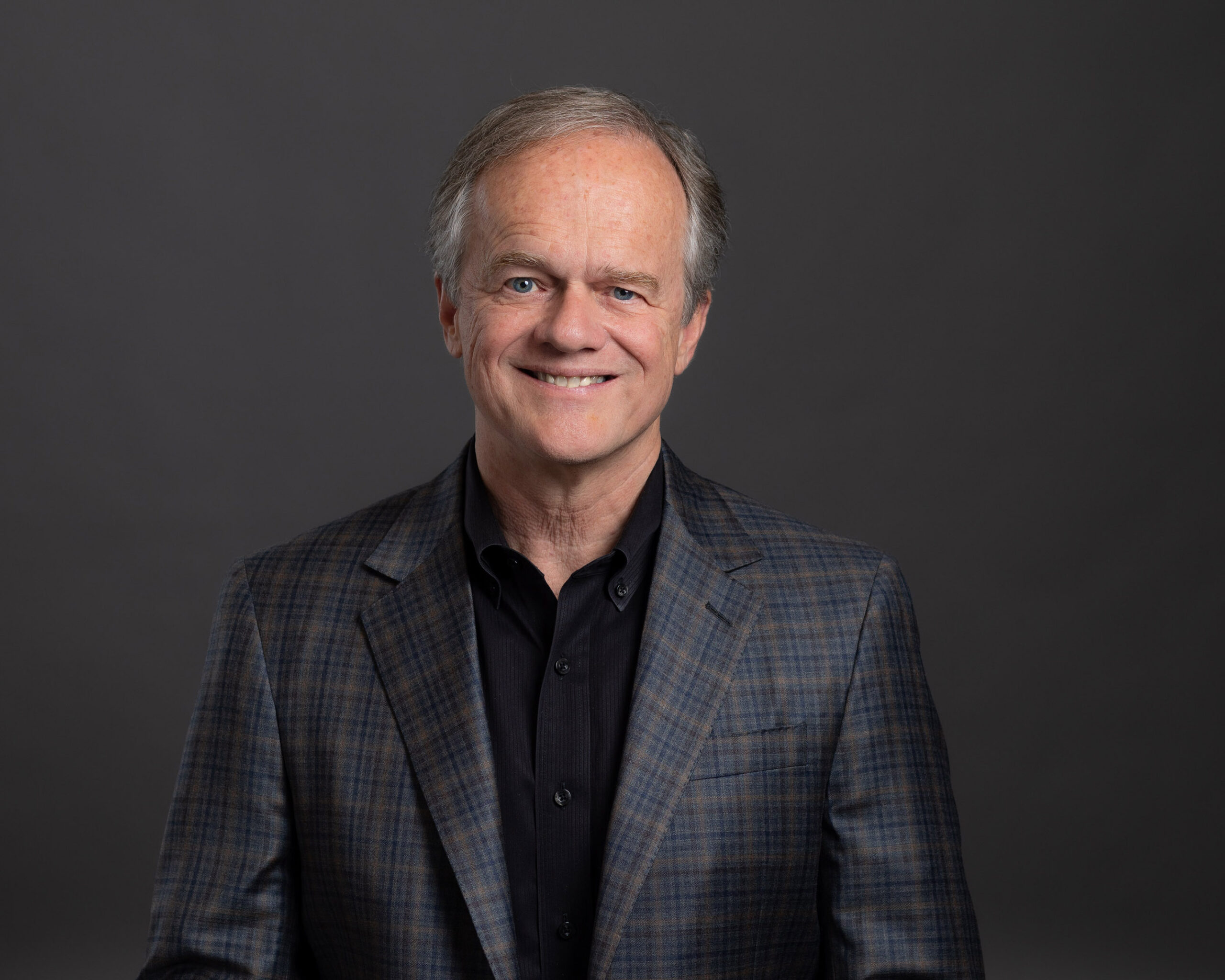
Bill Yeargin is CEO of Correct Craft and the author of six books, including the bestseller Education of a CEO.