
Volvo Group reported net sales for the third quarter of SEK$110.7 billion ($11.7 billion), down 5% year-over-year. Adjusted for currency movements, however, net sales amounted to an increase of 1%.
“We are in a period with weaker demand in our key regions and with increased uncertainty in North America,” CEO and president Martin Lundstedt said in a statement. “In this situation, we focus on what we can impact. We have adjusted our operations, applied strict cost control, remain firm on commercial conditions, and drive our service business.”
Volvo Penta maintained its strong performance supported by good engine and service volumes, the statement said. Order intake increased 28%, and deliveries were up 16%. The industrial segments, including data centers in the U.S. and marine commercial, remain strong. Currency-adjusted net sales increased 13% to SEK$5 billion ($526.5 million), and adjusted operating margin amounted to 18.6%, compared with 17.7% in the prior-year quarter.
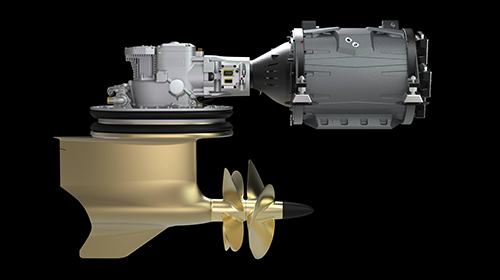
Volvo Penta announced during the third quarter its next-generation autopilot system and the IPS Professional Platform being used for the first time in two superyachts, a Sanlorenzo and an Amer.
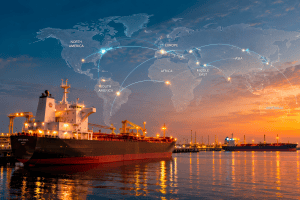
Volvo Group also acknowledged strains on its supply chains due to uncertainties on trade and tariffs:
“The situation is fast-changing and complex to assess, and no predictions can be made on future developments, or whether trade restrictions may impact the group more severely than main competitors. However, the introduction of tariffs, retaliatory tariffs or other trade restrictions on our vehicles, parts, and other products and materials could disrupt existing supply chains, impose additional costs on our business or that of our suppliers, create sudden disadvantages for group operations compared to competitors having different supply chains, and could generally make our products more expensive for customers and/or less competitive.”