
Each new year, some of our Correct Craft team members individually select a word that can help them be intentional about the kind of person they want to be in the coming 12 months. Words such as results, kind, decisive, humble, patient and impactful have helped members of our team stay focused as they work to improve themselves.
I have seen firsthand the significant benefits of selecting a word for the year. If you don’t have a 2026 word, I recommend mindset.
The Impact of Mindset
Years ago, while living in a dormitory at Florida Atlantic University, I went through a phase of reading self-improvement books. I did not just find them interesting; I believed they would help prepare me for a successful business career. Dale Carnegie’s How to Win Friends and Influence People and Maxwell Maltz’s Psycho-Cybernetics were especially formative. These books introduced me to a powerful idea: The way we think profoundly influences how successful we become. Mindset matters.
After college, I began my career as a certified public accountant at the world’s largest accounting firm, auditing and consulting with a wide range of businesses. Some of those businesses were thriving, and others were struggling. Later, as a global speaker, I spent time with leaders around the world who shared both their successes and failures. Serving on numerous for-profit and nonprofit boards provided yet another vantage point into how leaders think and operate.
Eventually, as president and CEO of Correct Craft — a global company experiencing rapid growth and deeply engaged in mergers and acquisitions — I regularly met with leaders from many organizations and reviewed their financial and operational results. Across decades, industries and continents, I was given a rare opportunity to observe leadership styles in action and to see what truly works.
Many years after reading those books in my FAU dorm room, one lesson stands out above the rest. Highly intelligent people often limit themselves because of how they think, while those who may be less gifted intellectually achieve extraordinary results because of the paradigms they choose. Success often comes down to mindset.
So how does focusing on mindset work in practice? Here are some examples of mindsets our team embraces that have had significant impacts on our results.
• Be a learner This is one of our team’s two foundational mindsets. Being a learner is not just about consuming information; it is about desiring your thinking to expand or change. On the other hand, a knower, which most people unfortunately are, consumes information with a desire to confirm what they already believe, which is a huge lost opportunity. Those who shift their mindset from knower to learner reap enormous benefits.
• Choose impact This is our team’s second foundational mindset, and it is a little counterintuitive. We choose to pursue impact over reward. Instead of thinking about how we personally benefit from our actions, we try to focus on how what we do will positively impact others. Interestingly, when we focus on impact, it actually makes it more likely that rewards will come.
• Focus on results Most people tie their identity closely to how busy they are. That mindset leads to poor time management and lost opportunities. We want our identity to be determined by our results, not activity. Like the other two mindsets, this mental shift alone will significantly improve any leader’s success.
These are just three examples of the many mindsets that have had a huge positive impact on our team’s results. Others include solving problems by focusing on who, not how, and thinking about creativity over capital.
Why Mindset Matters
Our team’s experiences across acquisitions, boardrooms and the 48 entities within the Correct Craft portfolio have allowed us to test the relationship between mindset and success. The results have been both fascinating and remarkably consistent.
What I learned years ago in that dorm room about the power of our thought patterns and their impact on our success or failure has been corroborated time and again. Intelligence and hard work matter, but most achievements are not the result of effort alone. They are the result of how we think. Our mindset shapes our decisions, and our decisions shape our outcomes.
You don’t have to dig deep to find examples of leaders whose success has significantly benefited from their mindset. Sara Blakely, founder of apparel company Spanx, is a great example. Howard Schultz, former chairman and CEO of Starbucks, is another. There are many more. The business world is filled with people who saw things a little differently and enjoyed extraordinary success because of their perspectives.
A Time for Transition
March 31 culminates a multiyear process to prepare for my departure from Correct Craft after 20 years as CEO. After much consideration, the board selected our CFO, Zach Hutcheson, to step into the CEO role April 1.
As Zach and I worked to ensure a successful transition, we focused on capturing key mindsets we believe have contributed to much of our team’s success during the past two decades. We have been working on a book to be released in March, just ahead of the transition, titled Mindset Matters: The Correct Craft Way. Our goal is to memorialize the thinking that has helped us get to where we are. More important, we want to provide a clear framework for our future leaders so we can continue to grow in the years to come. Mindset matters.
I can write with 100% certainty, based on observation and experience, that small changes in thinking can produce huge improvements in results. So what are the mindsets that are holding your organization back? What about you personally? In what ways could you think better? Identify the mindset opportunities for both you and your organization and begin making the necessary changes today. You will be glad you did.
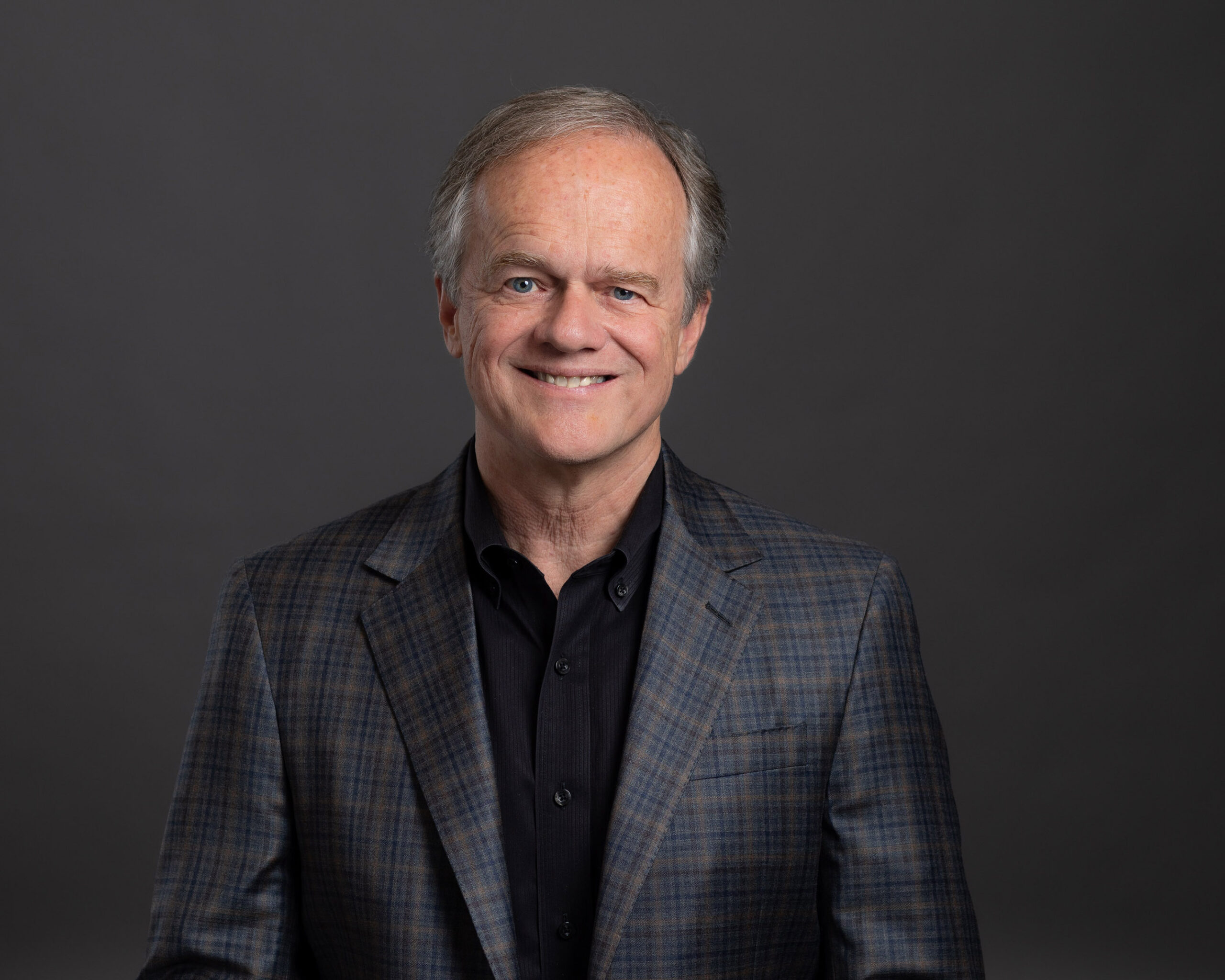
Bill Yeargin is CEO of Correct Craft and the author of seven books, including the best-seller Education of a CEO.