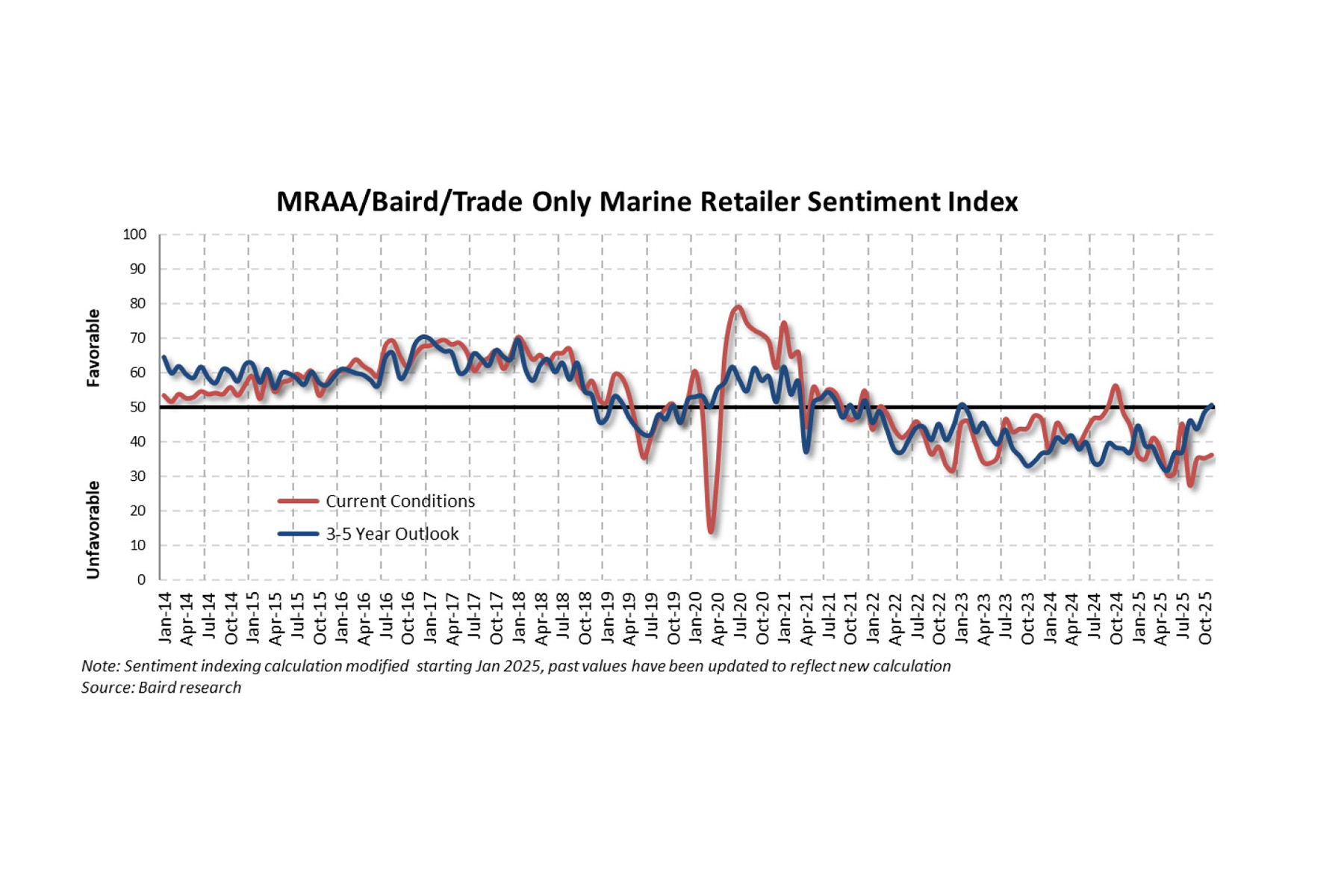

The dealership sales team likely didn’t hear Your price is too high during the Covid-driven sales boom, but today’s economic realities seem certain to bring back such objection. After all, the Fed’s action has lifted the benchmark interest rate to a 22-year high, and we’ve now posted the two weakest months of job growth in two-and-a-half years.
So what’s a salesperson to do, recognizing they’ll likely face this price objection? It brings back to mind what I heard and read some time ago by one of my favorite authors, John R. Graham. What he advocated then is just as timely as today.
I recommend his book 203 Ways to be Supremely Successful in the New World of Selling. It is packed with good, usable, thought-provoking ideas.
“Price is rarely the problem when it comes to making the sale,” Graham said when I saw him speak at a sales conference. He pointed out that the most common problem for a salesperson is determining why a sale was lost. The typical answer is that the price was too high.
Really?
While not denying the possibility that a price could be too high for a product in a specific market, Graham holds that a salesperson must eliminate the most likely causes of a lost sale, and it likely isn’t the price.
There are several questions you should ask.
How do prospects see you? Does the prospect’s picture of your dealership and product fit your pricing? There could be a serious disconnect in the prospect’s mind between the product being offered and the price being asked. A successful salesperson must attempt to identify what the prospect highly values, and then position the sales message accordingly. Price is normally not on the top of the prospect’s value list, Graham says.
Have you differentiated the dealership? Today every salesperson will wince at: “I can get it cheaper over at XYZ marine.” But that’s an immediate confirmation that the sales pitch has not separated the dealership from the competition in a way that’s meaningful to that prospect. He or she hasn’t been shown the value of buying from your dealership. If the prospect is allowed to assume the dealership is selling essentially the same product or service, it’s price that will make the buying decision simple for that prospect.
A salesperson must be in step with the prospect. “It isn’t what the sales team wants to sell that’s important; it’s only what the prospects want to buy that counts,” Graham says. “A salesperson trying to convince a prospect to buy a model or product that doesn’t meet their priorities will lose. That’s occurs because they’ve not taken time to find out what the prospect believes they need, leaving the price objection insurmountable. Might as well give it up.”
So what’s a salesperson’s role in the process? Seems like a silly question, but it’s not. From the moment of initial contact, if the customer somehow gets the notion that making a sale is the salesperson’s only interest, the process can be crippled and likely be unrecoverable.
Today’s prospects can realistically know more about a product than a salesperson. So salespeople must help the prospect understand what goes into establishing the price, which indispensably includes the strength and commitment of the dealership to its customers in every way that will meet their needs. A genuine personal commitment to stand for his or her customers is where every successful salesperson can trump any computer and price knowledge every time.
In today’s climate, salespeople must lead the prospect to a clear understanding that they’re buying into the dealership, as well as a product or service. Every sales team should stop and seriously take time to ask: “Why should anyone want to buy from us? If our quality, service and price are on a par with our competitors, why should they choose us?”
Unless prospects and customers are given other reasons to buy from your dealership, price may be the only basis for making a decision to buy, and that’s never where you want to be.