
The online sniping and dockside speculation began almost immediately in early August, when Safe Harbor Marinas announced that it had reached an agreement to acquire MarineMax in a deal estimated to be worth $1.5 billion. Some boaters who have spent years watching Safe Harbor amass more and more control over what used to be mom-and-pop marinas cheered the news as great for growing the network they already enjoy using. Other boaters scorned the deal as yet more consolidation and loss of individual character across the marine industry.
More than a few brokers, dealers and boatbuilders noted that Blackstone — the biggest alternative asset manager in the world — is the parent company of Safe Harbor, and bemoaned the presence of yet more private-equity money in the industry. They scrutinized documents filed in connection with the deal, wondering aloud if, at its heart, the acquisition would end up being a real-estate play that might later include the boat dealerships being spun off.
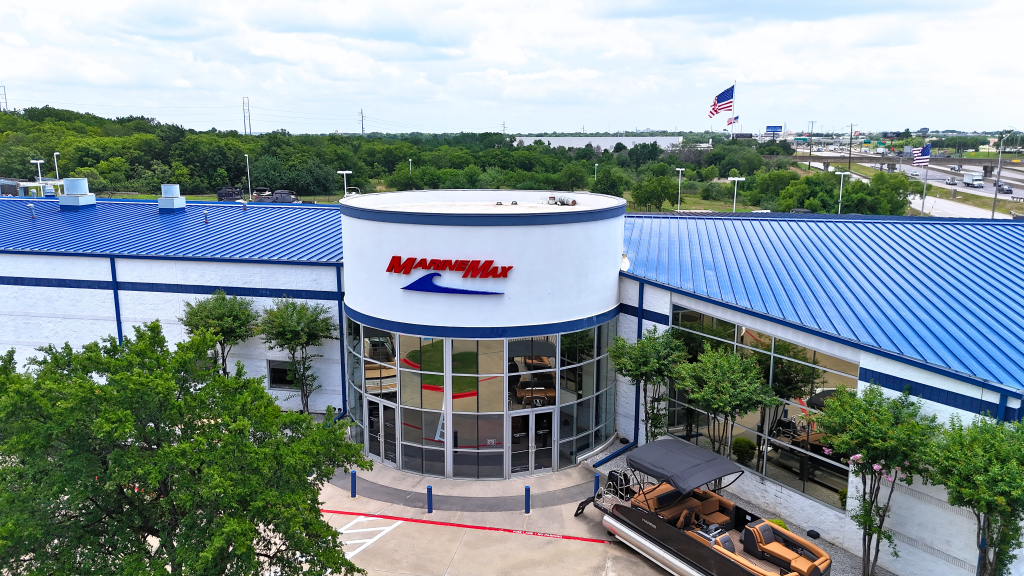
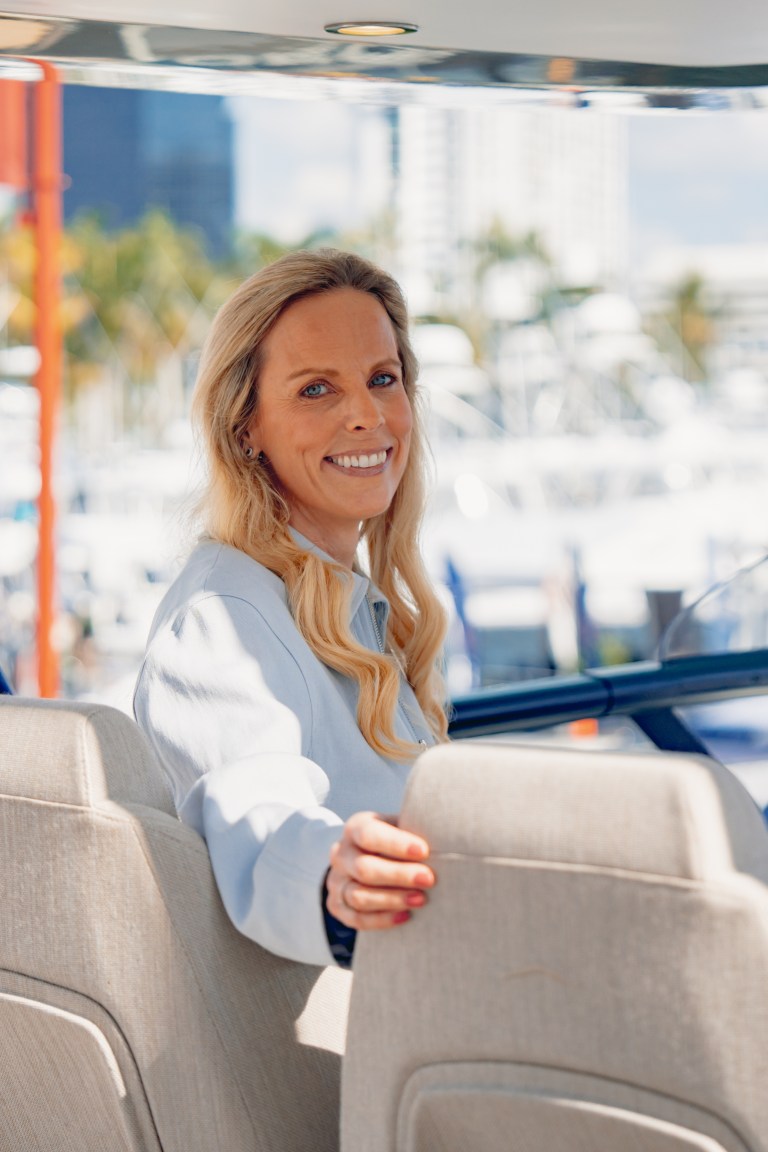
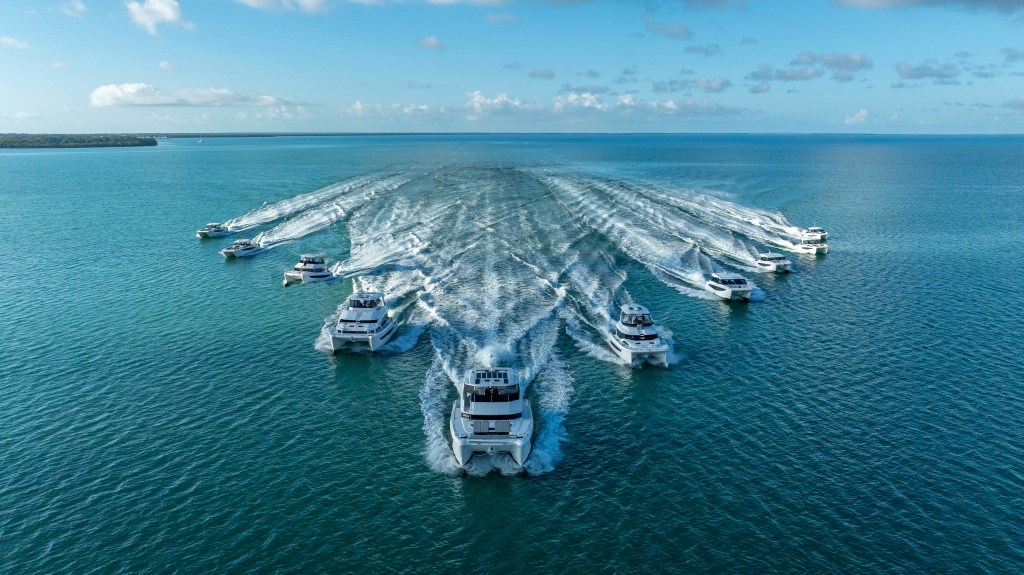
for Safe Harbor. PHOTO COURTESY MARINEMAX
Without question, everyone agreed, the deal would take two companies that already have a significant amount of control across the industry and combine them into a behemoth. MarineMax has more than 120 locations worldwide, including 70-plus dealerships and 65 marina and storage facilities. Its portfolio includes IGY Marinas, which operates globally; MarineMax Vacations, based in the British Virgin Islands; Fraser Yachts Group and Northrop & Johnson, both in the superyacht space; and the Cruisers Yachts and Intrepid Powerboats brands. MarineMax also provides financing and insurance services for boat buyers and owners.
Safe Harbor is the largest marina and superyacht servicing business in the United States, itself valued at $5.65 billion in early 2025 when Blackstone announced a deal to acquire it. At that time, Safe Harbor owned 138 marinas across the United States and Puerto Rico.
One longtime industry leader, who asked to remain anonymous, theorized the boating business might be heading toward a future where unless you buy a boat from MarineMax, you won’t be able to get a marina slip to keep it in. Another, who also asked to remain anonymous, noted recent challenges with West Marine’s retail stores and Boats Group’s online sales listings while lamenting the growing influence of private equity firms and “a bunch of bean counters making spreadsheet decisions instead of growing good people as employees into leadership roles and treating employees with respect.”
Paul Flannery, chief operating officer at the Fort Lauderdale. Fla.-based International Yacht Brokers Association, says he’s hearing concern among IYBA members that there’s a desire for a single, sprawling company to control the boat-owning client from birth to death. The conversations he’s hearing, he says, go like this: “They want to get the guy in on an 18-foot Boston Whaler, and now he knows he’s got a place to put his boat, and he can move up to a 50-meter Benetti, and they’ll find a place for him. Well if he doesn’t buy a boat from them, will he have to anchor out?”
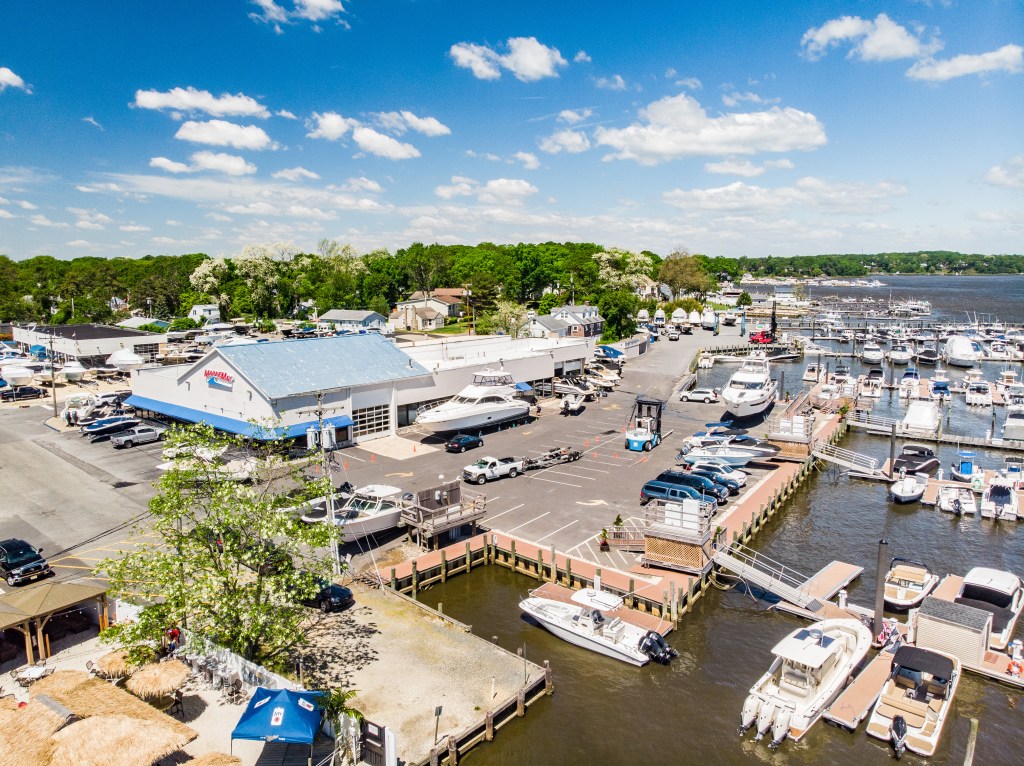
That kind of organizational structure, he says, isn’t how the industry has ever worked since it emerged in the middle of the 20th century. To a lot of long-time players, what’s happening feels completely foreign. “This has been a world of independent people who worked together toward a common goal,” Flannery says. “Your scrappiness and your God-given talents are what made you successful or not successful in this industry. Now you’ve got big machines coming into the industry. It’s difficult for the independents to stay in business against these other guys.”
‘It Was Hysteria’
Some boaters enthusiastically welcomed the deal’s announcement and hoped it would give them access to more locations, especially those who are already happy members of the Safe Harbor network. Cathy Barr, who with her husband lives aboard an Outbound 46, says they cruise extensively, spending an average of 10 months per year on the boat for the past seven years. They have tied up at Safe Harbor facilities along the East Coast from New England to Florida.
“No matter what anybody says, Safe Harbor has cleaned up the marinas,” Barr says. “The bathrooms are clean. They have soap and paper towels and shower curtains.” She says she has especially been impressed with what Safe Harbor did after acquiring New England Boatworks in Portsmouth, R.I, in 2019.
“Man, they cleaned that place up,” she says. “They cleaned out the pool. It’s very nice. Every single facility now has a lounge that’s clean and air conditioned with a place to go sit. Most of them have washers and dryers.”
She says she also frequently finds herself tied up to a Safe Harbor dock because of the two network properties in Essex, Conn. “We have a mooring at Dauntless,” Barr says. “Since we have the mooring, we can get free nights at Essex Island Marina with the dock. If they have room, they let us stay there. In the summer of 2024 or 2025, we never used our mooring. We didn’t even know what number our mooring ball was. Our boat had been worked on in the boatyard, so we loaded it up and we left. That was from a Safe Harbor facility.”
And when she and her husband needed to have the boat serviced while cruising in Maine, she says, being a Safe Harbor member again served them well. “We stayed at Safe Harbor [Great Island] in Harpswell, Maine,” Barr says. “Their improvement, they have attracted mechanics. If you’re out cruising, you don’t always have the luxury and the time to haul out your boat and work on it yourself. So for them to have qualified mechanics to help us with our alternator or our generator or anything else we need, we had access to that.
“They improve everything, in my opinion,” she adds. “Now, they’re not the cheapest, and sailors are cheap, and they want to do it themselves. But I think this is better.”
Ron Dykstra, who with his wife lives aboard a 60-foot Selene, feels similarly. They’ve put about 8,000 nautical miles under the keel in the past year alone, he says, starting in Chesapeake Bay, cruising south to Guatemala and Belize, then pointing the bow north to Maine. All along the East Coast, he says, they stopped at marinas in the Safe Harbor network.
“We just became members in April, on our way back from Guatemala,” Dykstra says. “Before that, I was kind of a skeptic about the whole thing. We had always viewed them as too expensive, but we thought since we were going up to Maine, we’d give them a try and see what the benefits were.”
He describes what they’ve encountered ever since then as “more than a good experience.” “The professionalism, the staff,” he says. “Every one of them has been very well-maintained. You can obviously see that they’re putting money back into them. They have great service at the facilities. Right now, we’re at Front Street Shipyard in Belfast, Maine. It would be hard to find a better shipyard to get work done, and it’s a beautiful place. I’ve yet to find one where the landscape wasn’t impeccable, the staff was friendly and helpful.”
He says the announcement of the Safe Harbor/MarineMax deal should only create more options for Safe Harbor members like him. And based on his experience as an attorney with a background in mergers and acquisitions, he says, a lot of the negative comments he sees online appear to be way off base.
“There’s still a lot of small yacht clubs and marinas available. There’s always options,” he says. “It was hysteria that they’re going to run them into the ground and sell them off in bits and pieces. If that was the model they were going for, they wouldn’t be doing all this investment.”
Barr says she’s been hearing for five or six years in Rhode Island that “this private equity money is going to come in and buy up all these marinas and shut them all down and build condos. It hasn’t happened, and I just don’t see it happening,” she says, noting that condos tend to be built in locations with close proximity to land-based infrastructure such as shopping malls and highways. “Staying in a lot of these marinas, they’re not really places where people want to be. Boaters want to be on their boats. They’re different.”
Flannery says another force at play is that an increasing number of boaters expect their experiences on the water to mirror their experiences on roadways. From the consumer perspective, he says, automobile dealers and boat dealers used to be pretty similar: a bunch of independents with cars on the lots and various levels of quality and service.
“Then came Toyota and Lexus, and everybody became accustomed to the Lexus experience: We’ll pick your car up for service; we’ll drop off a loaner in your driveway,” Flannery says. “That’s the kind of thing that’s coming to the marine industry. Some people like that, and some people don’t.”
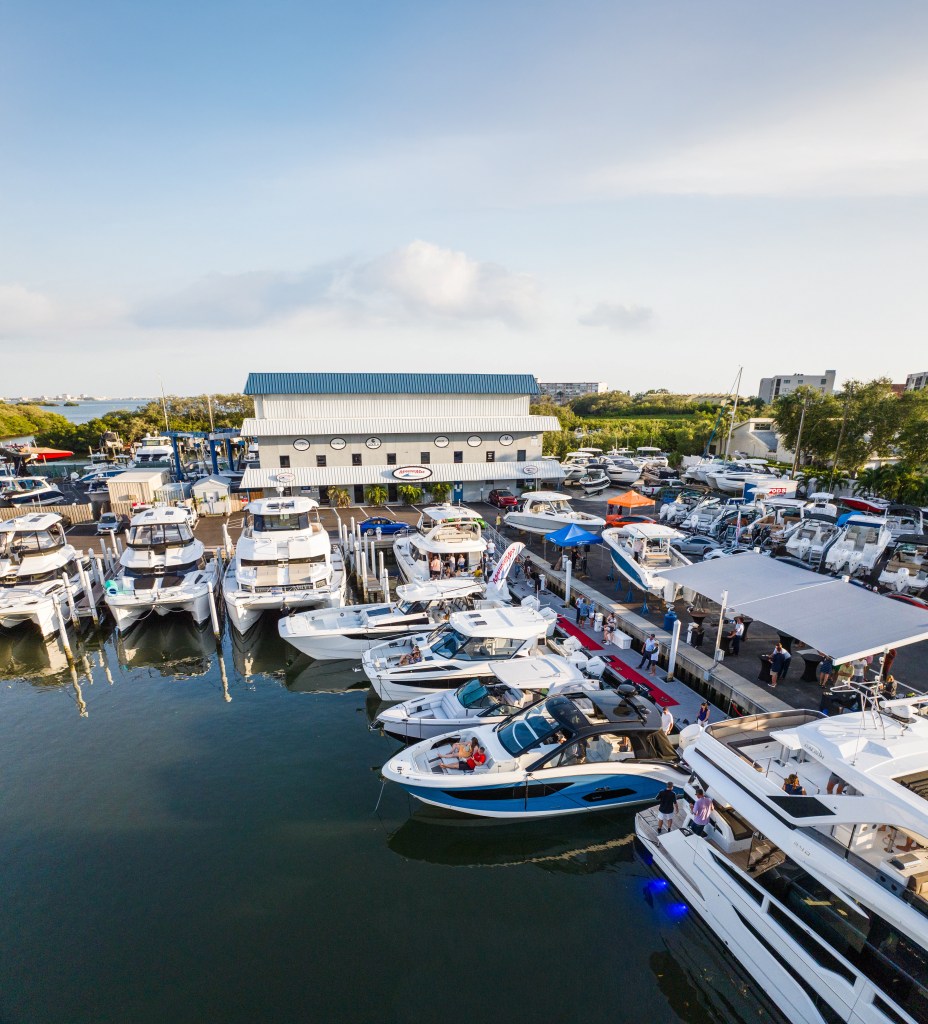
And even some of the naysayers, he adds, begrudgingly admit that Safe Harbor’s business model makes sense to a certain population of today’s boaters. “I think the upside to it is that they’re removing the unknowns,” Flannery says. “They’re providing a level of service that people have become accustomed to in other industries.”
This article first appeared in the October 2026 issue of Soundings Trade Only.