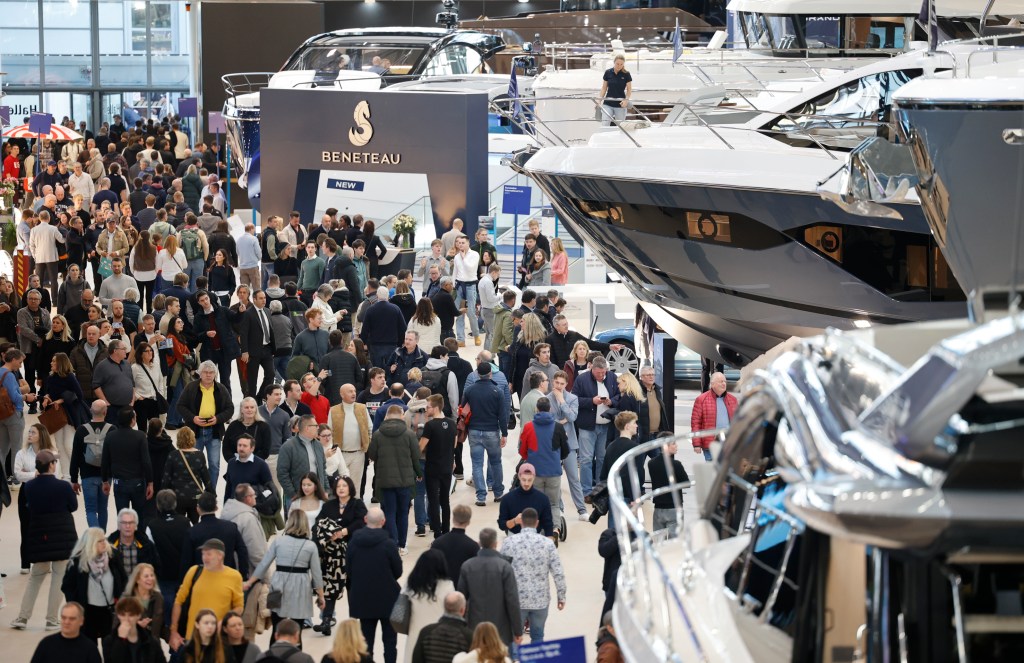
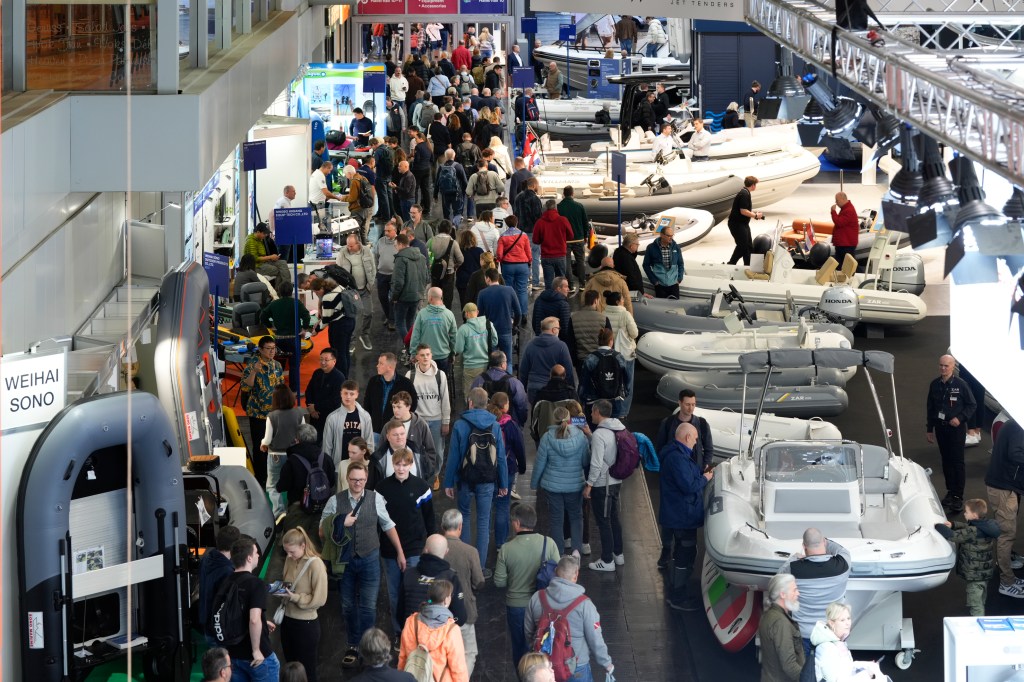
With more than 200,000 visitors from over 100 countries, and with 1,500 exhibitors spread over more than 2 million square feet of space, boot Düsseldorf is the world’s largest trade fair. Sailors and powerboaters will find a wide variety of products ranging from dinghies to luxury yachts, with diving, surfing, kite surfing, paddling, skimboarding and canoeing also featured. Marine conservation and innovative, sustainable technologies are on display, as well.
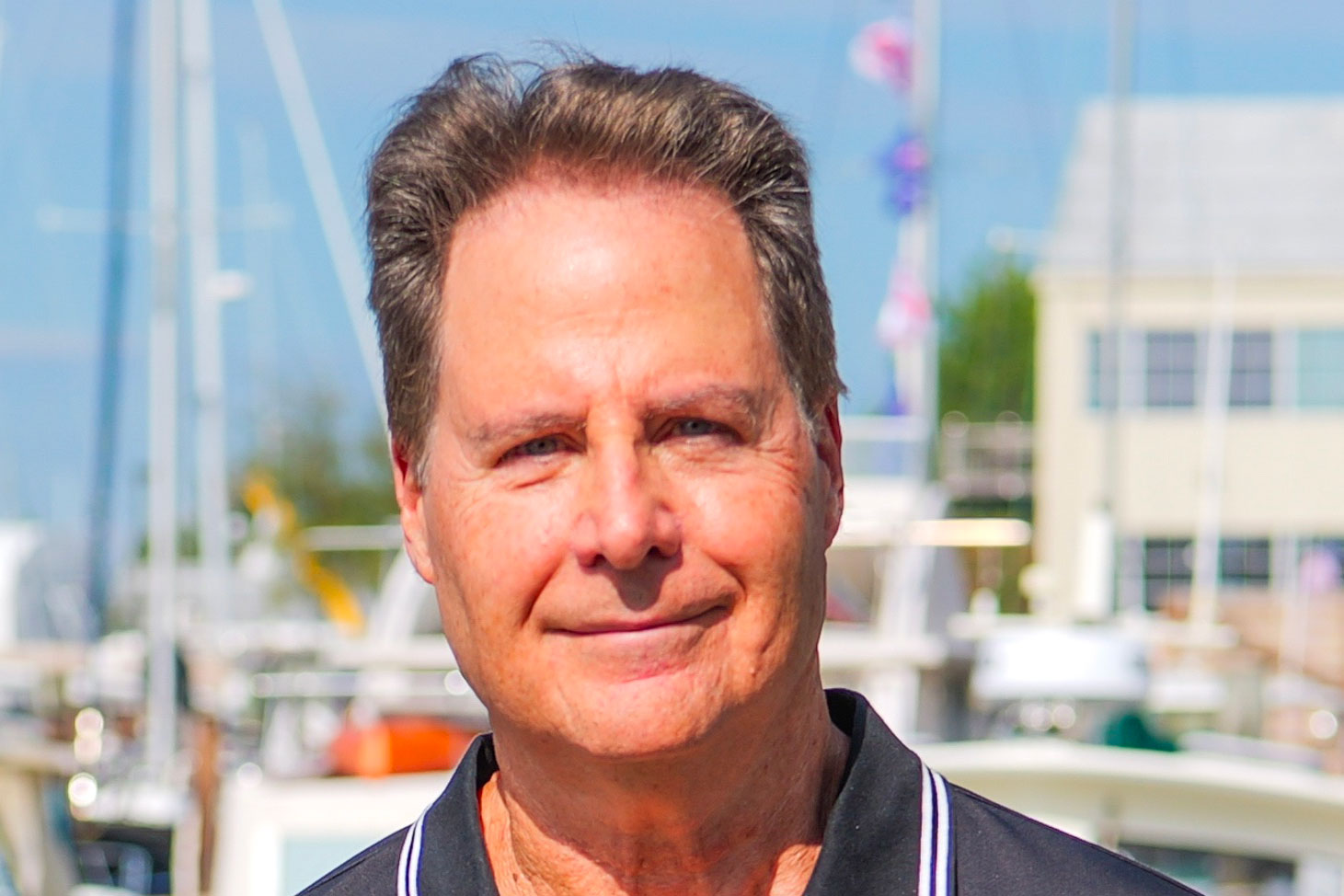
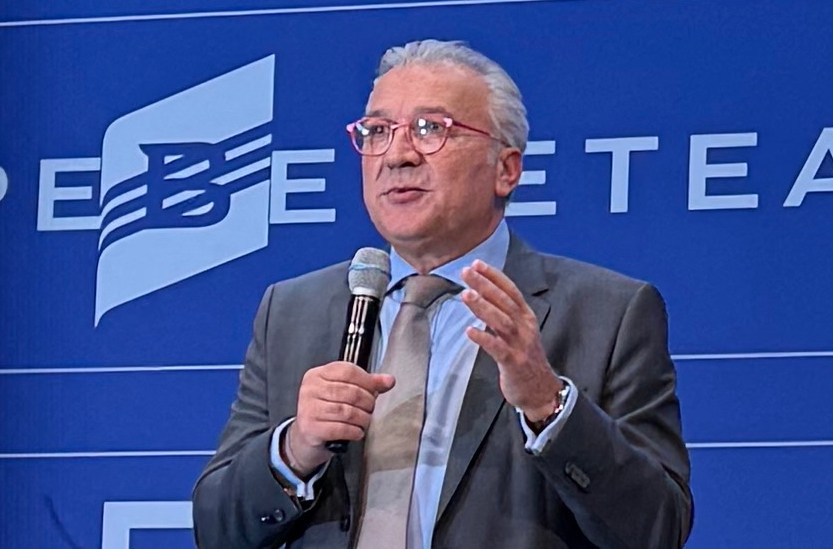
The next edition of boot Düsseldorf will open its doors Jan. 23-31, and Soundings Trade Only will be there. We spoke to show director Petros Michelidakis in late September to get his take on what to expect at this year’s show. He’s been director since 2016, and like everyone else in the industry, he is working around macroeconomic and geopolitical concerns in addition to recreational-marine market conditions.
(This interview has been lightly edited for clarity and space.)
Given market conditions around the world, how would you describe the state of the industry globally?
Uncertain. The market is not dead. The market is still moving. There is optimism. We had a lot of sales success during the 2026 show and thought we had set a firm foundation for a good year to follow. Unfortunately, because of the activity in the Gulf, it didn’t turn out exactly like we hoped.
But the feeling is still there. People still want to step on a boat or a board or go scuba diving and leave their problems behind. The interest is there. We had 200,000 visitors last year, and the percentage of attendees who bought a boat grew. This year, we have a very good feeling because we have an increase in the number of exhibitors and the size of the exhibit space.
We know business leaders don’t like uncertainty. Is that worrying people you talk to?
Political decisions worldwide are causing problems. So that is something we have. We are fighting that as best as we can. Uncertainty is the biggest enemy of a good business. But let me make one thing very clear: We as a global marine industry don’t have a problem. The market has a problem.
If we could extinguish the problems created by political decisions tomorrow, or the day after tomorrow, we would have an increase in business. That’s for sure. And that is something everybody knows. We continue to invest in sales and marketing and new products to put on display because we know the market is there.
You deal with lots of industry segments. Which ones are doing particularly well at the moment?
We all know motoryachts and superyachts have been doing some incredible numbers, but I have been hearing even they are having some sales problems recently. While it’s easy to concentrate on the biggest boats with the largest price tags and the wealthiest buyers, as an industry, we should make sure we continue to make smaller boats affordable for a larger segment of the population, too. Even somebody with $15,000 should be able to own a boat that could take four people out for a nice ride on a lake or even in the sea. People want that. They need this freedom. They deserve to find a place in boating, as well.
Diving is also part of the watersports industry, and we are seeing good growth there. Twenty-five percent of boaters are divers, and vice versa. Diving during Covid was dead because nobody could travel. So the revenues were nearly nothing. Right after Covid, we had about 300 diving exhibitors. Now we have more than 450 diving exhibitors, and a waiting list with more because of space limitations.
They continued coming to boot Düsseldorf. They believed in the platform, and they used the show wisely and strategically, and now the success is coming. Because we have learned to see the watersports industry as one.
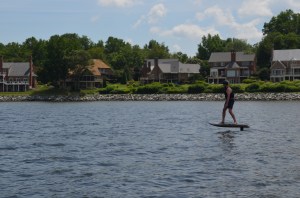
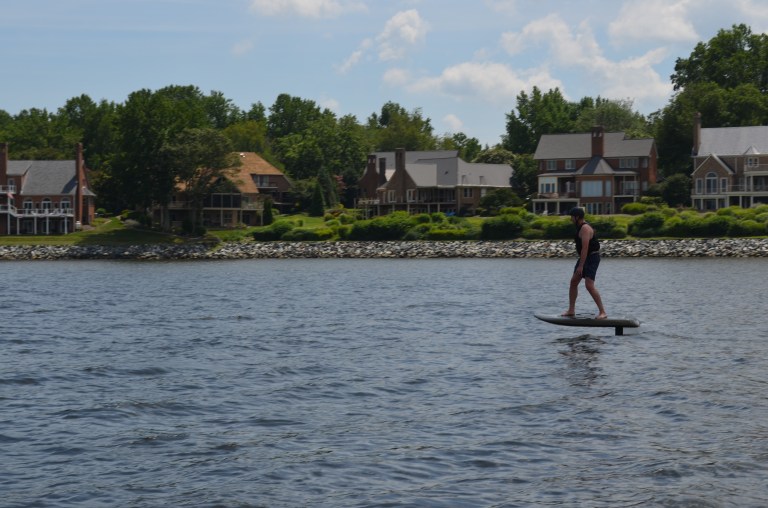
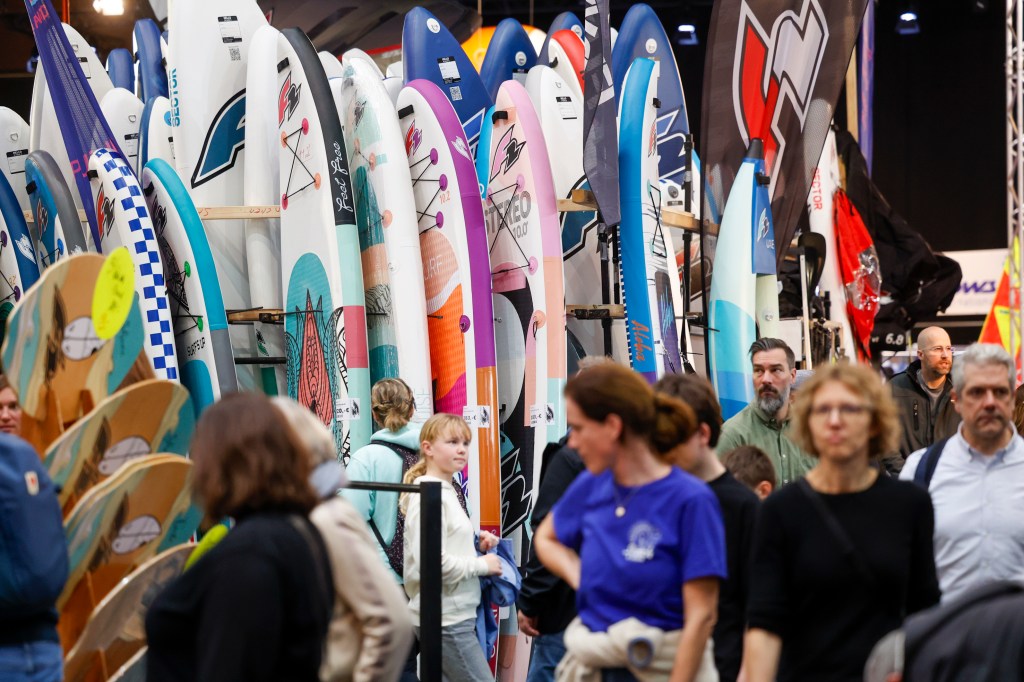
All watersports, one community. You don’t have to stay a sailor or a powerboater all your life. We can all find new interests on the water. I just tried air foiling for the first time. We’re never too old to try new things.
What do you see in terms of customers? Are their priorities changing?
At every show, we do a big survey to about 2,700 visitors, all different, and we learn a lot from them. What we see is that the market suffers, especially in the sailing sector, from people who are aging out. And that number is constantly increasing, obviously. The result is a market flooded with used sailing boats at a very cheap price. We should use this circumstance to invite new sailors, get new people interested in sailing, and tell them they don’t have to have a lot of money to get started.
On the sail side, our surveys tell us 40% want to buy a new sailboat, 60% want to buy a used one, and they want to refit it. So the refit market has momentum. On the powerboat side, it’s completely different. We have more than 60% who want to buy a new boat, and we have 35% to 38% who want to buy used. We also have a growing number of people who don’t want to own and maintain their own boat at all. They want to be flexible, not tied down, and they want to experience other parts of the world on a boat. They are also part of the market. And their entry point is boot Düsseldorf.
How can your show help companies find those customers and partners of the future?
That’s a very important question because we are not just building a platform. My colleagues around the world and I are doing the same thing: connecting the right people with the builders and the shipyards, with the diving industry, with the surf industry and so on. This is our most important obligation.
Another important obligation is to make sure we are covering the emerging markets, the buyers of the future, such as younger people and women. We need to make sure we are covering those markets because we have an opportunity to grow them. For example, 33% of our visitors to the show are women. So we need seminars especially for women. We need boats designed by and for women, and on and on. This is what we need to do to attract new people to boating.
We can’t have a conversation these days without mentioning artificial intelligence. How widespread is its adoption on your side of the Atlantic?
The widespread adoption of AI in the marine industry is a must. In production lines, in the way we use the boat, such as automatic docking, and to power conversations with our customers at the dealer level. Of course, AI can make boating safer. It can also make it simpler and more intuitive. If we use the technology correctly, AI has the capability of bringing new people onto the water.
If there is one thing you believe the international boating industry needs to build a strong future, what would that be?
Continue to cooperate. We all face a lack of money and resources when compared to other industries, like the automobile industry, for example. If you’re a small boatbuilder who builds some 50 boats a year, it’s hard at that scale to spend much money on R&D. If we cooperate and share some of our technologies across organizations, we can more easily develop our industry. There is also strength in cooperation from a political perspective, to make sure we are communicating to politicians about the jobs our industry provides and the economic impact we have.
I am really very confident about our future because we are doing things such as the blue innovation dock that brings together visionaries, investors and politicians to prepare the industry for the future.
Boot Düsseldorf has created the first marine conservation prize at a trade show, and gives sustainable and visionary projects a home in the Love Your Ocean initiative. It has become a very important driver of innovation in the watersports industry. We invite political decision-makers, bring them into discussions, and create a knowledge base for them so they can make much more informed decisions when it comes to their legislation.
Complete this sentence: If I come to boot Düsseldorf, I will leave with … what?
Excitement, passion and, hopefully, a yacht.
Seriously, for the American boatbuilders, boot Düsseldorf is the platform for a global business. People from all over the world are coming to Düsseldorf to find new producers, to see people, to connect, to network and, of course, to buy boats. The show plays such a major role for the exhibitors. We have boatbuilders as exhibitors coming for the first time to the show who leave with a new network of dealers worldwide.
What we have here in Düsseldorf is an entire trade section devoted to B2B. We have international breakfast meetings, and an opportunity to meet experts and exchange information about the show. We also have a unique platform for the nautical tourism business, and that includes all segments of watersports. That is also important for the Americans. That’s why we create opportunities for the B2B visitors to meet and find their way to a successful business in Düsseldorf. And this is something which makes us of course very proud.
This article first appeared in the November 2026 issue of Soundings Trade Only.