
Four years ago, millions of first-timers took to fishing and boating as a healthy refuge from the pandemic. According to the Special Report on Fishing from the Recreational Boating & Fishing Foundation and the Outdoor Foundation, millions have stayed with it, boosting participation well beyond pre-pandemic levels. A big challenge remains, however, in keeping people engaged in fishing, according to the just-released report.
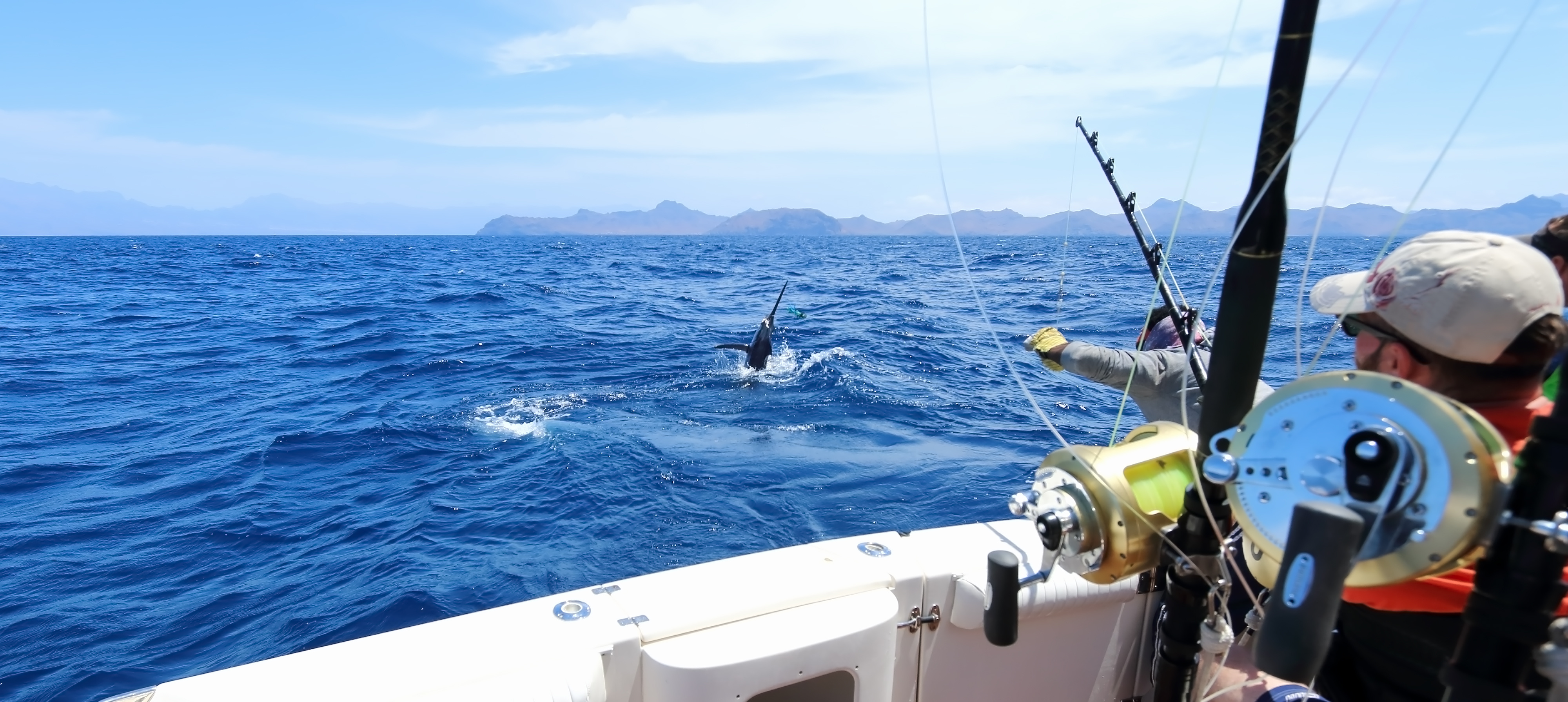 GO2DIM - STOCK.ADOBE.COM
In 2023, a historic 57.7 million anglers ages 6 and older went fishing — a staggering 6% increase from the previous year. This surge puts the rate of fishing participation in the United States at 19 percent, the highest since 2007.
Saltwater fishing’s surge in participation included 15 million new anglers, while freshwater fishing maintained its position compared to 2022. Fly-fishing achieved a significant milestone this year, with participation crossing the 8 million mark for the first time.
However, amid these positive trends looms a concerning issue: the escalating rate of anglers exiting the sport each year. This year’s churn rate is 23%, a figure that calls for the industry to come together and act.
The RBFF initiated a comprehensive, multi-phase research project in 2023 that went deeper into the psychology of churn than previous studies. It explored the behavioral science behind the propensity of individuals to swap fishing and boating for alternative activities. The research sought to better understand and address the critical factors driving attrition by segmenting findings and developing personas for those most prone to drop out. The goal is to share actionable insights and recommendations with industry stakeholders, guiding targeted efforts to maximize retention.
Global market research firm Ipsos conducted the research, which unfolded in four phases. The first phase, completed last summer, delved into social data analysis, scrutinizing more than 900 million social and online discussions. Insights about conscious and subconscious decision-making processes shed light on barriers to sustained fishing engagement. For example, one individual solely fished to bond with a father who then died. Such narratives offer retention strategies, emphasizing the revival of cherished memories and the therapeutic aspects of nature immersion.
Another prevalent barrier identified was time constraints, with individuals wanting to return to fishing once they were free from overwhelming responsibilities. However, further exploration revealed that these time slots were often filled with alternative hobbies, suggesting a need for strategic repositioning of fishing within individuals’ leisure preferences.
Phase two of the research, completed this past January, entailed qualitative discussions with a sizable cohort of lapsed anglers and boaters. This phase delved deeper into the conversational threads unearthed in phase one, exploring topics such as alternative goals beyond catching fish, awareness of available resources for newcomers, and the pivotal role of community in fostering sustained engagement.
Phase three involved a survey to validate and quantify the drivers of attrition among lapsed participants, leveraging behavioral science frameworks to dissect attitudes, motivations, barriers and beliefs.
Last, phase four breathed life into the personas identified, with participants sharing video diaries to elucidate strategies for retention-focused outreach and sustained engagement.
This initiative was made possible with support from the American Sportfishing Association, Grady-White Boats, the Marine Retailers Association of the Americas, the National Marine Manufacturers Association and Yamaha Watercraft. Insights gleaned represent a crucial stride toward bolstering retention rates, equipping the industry with tailored messaging and strategies to craft compelling customer experiences that foster long-term engagement.
Collaboration across the industry is imperative to stem the tide of attrition and safeguard the future of fishing, boating and conservation endeavors reliant on these activities. And make no mistake: The future of fishing and boating is bright. According to the Special Report on Fishing, 99% of fishing participants intend to continue fishing in the coming year, with 34% anticipating more than 20 outings annually. Notably, 87% of current fishing enthusiasts were introduced to the activity during childhood, and sharing the fishing experience with a child was cited as a significant motivator for continued participation.
Retaining newcomers remains paramount, especially considering the younger, more diverse and digitally connected demographic entering the fold. Key strategies include showcasing memorable fishing experiences, highlighting accessible water resources, providing beginner-friendly educational resources, emphasizing the social dimension of fishing, and recommending cost-effective equipment.
For access to the complete Psychology of Churn research and the 2024 Special Report on Fishing, visit takemefishing.org/specialreport.
Stephanie Vatalaro is strategy and operations vice president for the Recreational Boating & Fishing Foundation.
This article was originally published in the July 2024 issue.