
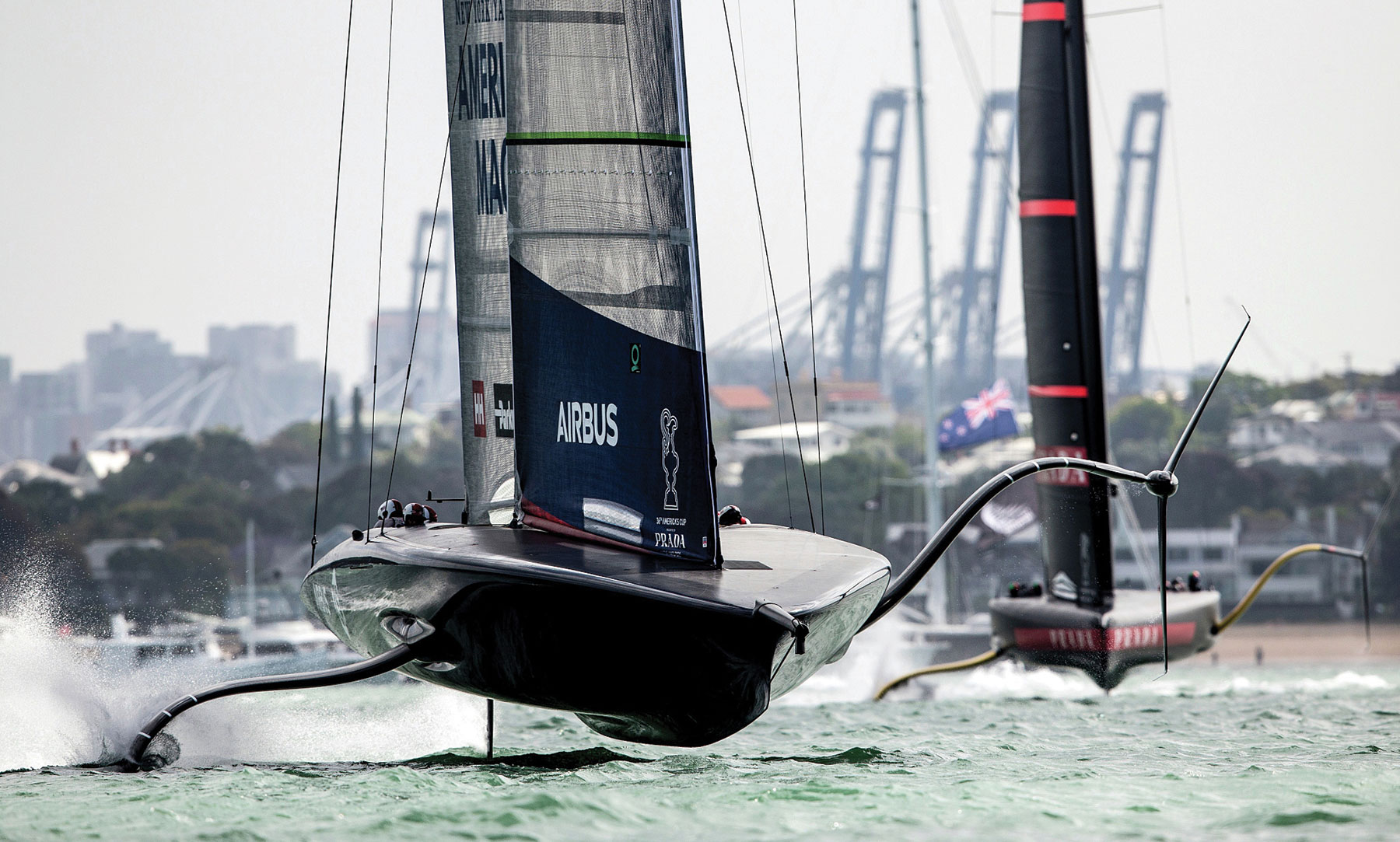
Sports teams are in many ways like business teams. And the highest-profile sailing competition, the America’s Cup, is a unique team event that brings together boat design and crew work in pursuit of the world’s oldest international sports trophy. Spending $150 million on a multiyear effort is the latest benchmark, and for all but the winning team, the sting of defeat is brutal — and raises questions.
The U.S. team, New York Yacht Club/American Magic, was eliminated from the competition Jan. 30 after four straight losses to the Luna Rossa Prada Pirelli team from Italy. Luna Rossa and INEOS Team UK were then scheduled to race in February for the right to be the official Cup challenger in March against the defending champion, Emirates Team New Zealand, which is hosting the regatta in Auckland, New Zealand.
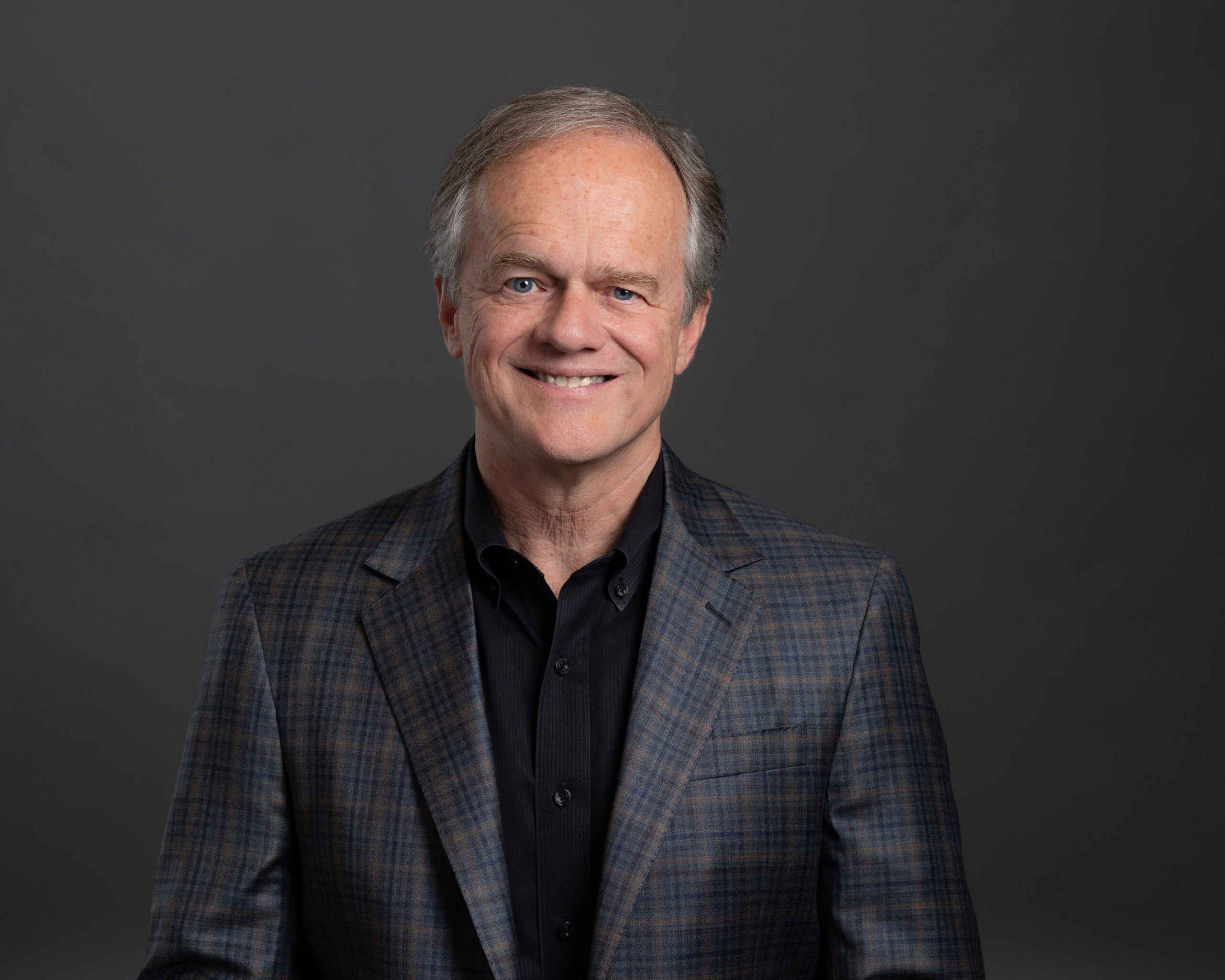
To discuss lessons learned from the American Magic loss, I called Tom Whidden, leader of North Sails for 34 years as president, CEO and now executive chairman of the board. Whidden sailed as tactician several times for Cup winner Dennis Conner. When I got hold of Whidden, he held up Conner’s 1987 book No Excuse to Lose and said, “Forget what the book says; the title alone is shockingly appropriate.”
Whidden described how Conner entered every race campaign thinking he didn’t know the answers, and needed to leave no stone unturned to find them. “What he did best was he gave responsibility freely to the people around him,” Whidden said, “and he was ready to change the strategy when needed.”
The problem with campaigning for the America’s Cup, he said, is the same problem business leaders face. They find it hard to look at the monthly financial statements and make a change to the plan, even when one is needed.
“I’m not being critical,” Whidden said, reminding me that he is one of the few American tacticians to have lost the Cup twice. Perhaps, he said, American Magic leadership made key decisions based on a wrong reading of their performance level. The team had enjoyed a winning record in December’s preliminary racing but may have been too satisfied with their boat’s speed and on-board decision-making to realize they still needed to make big change.
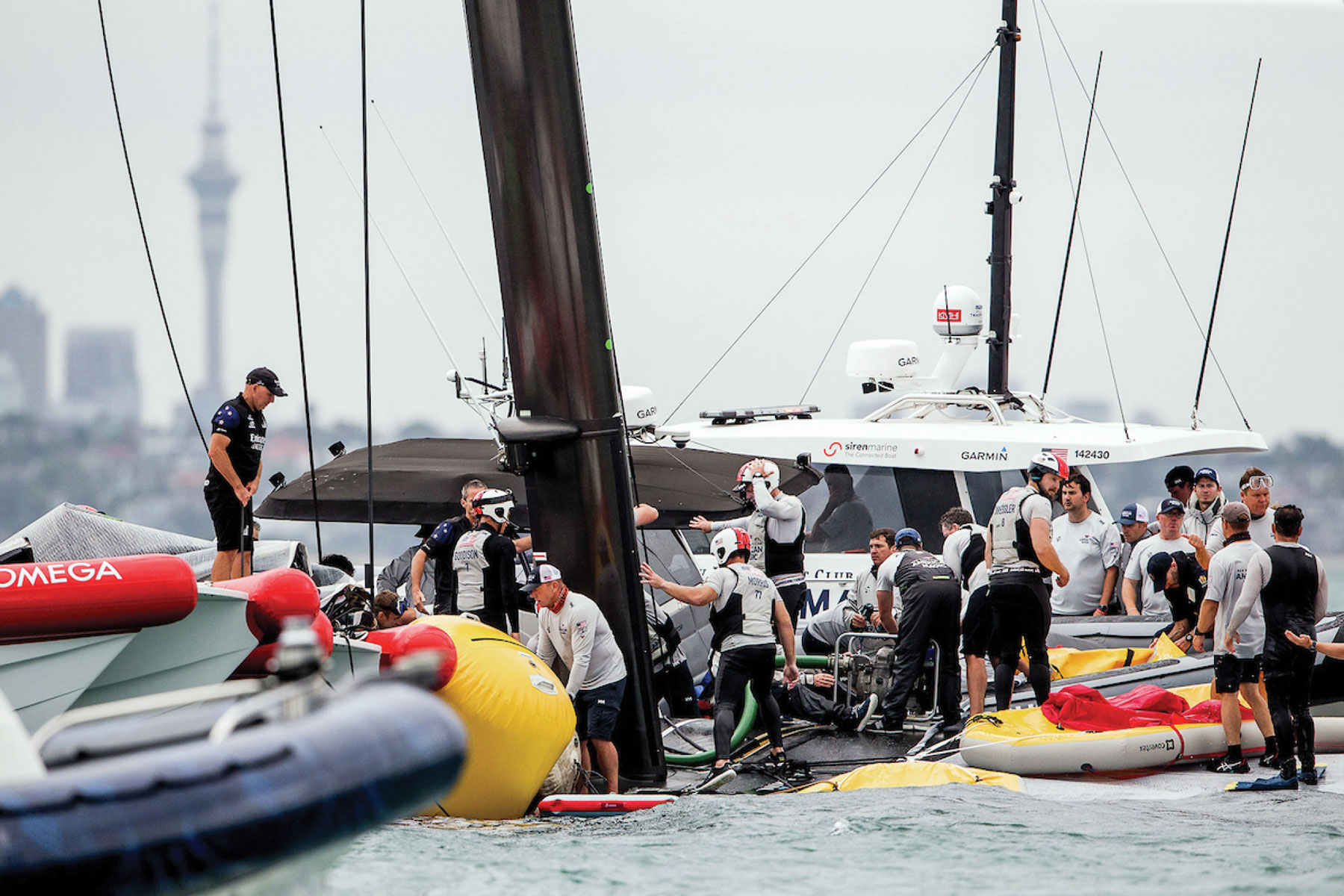
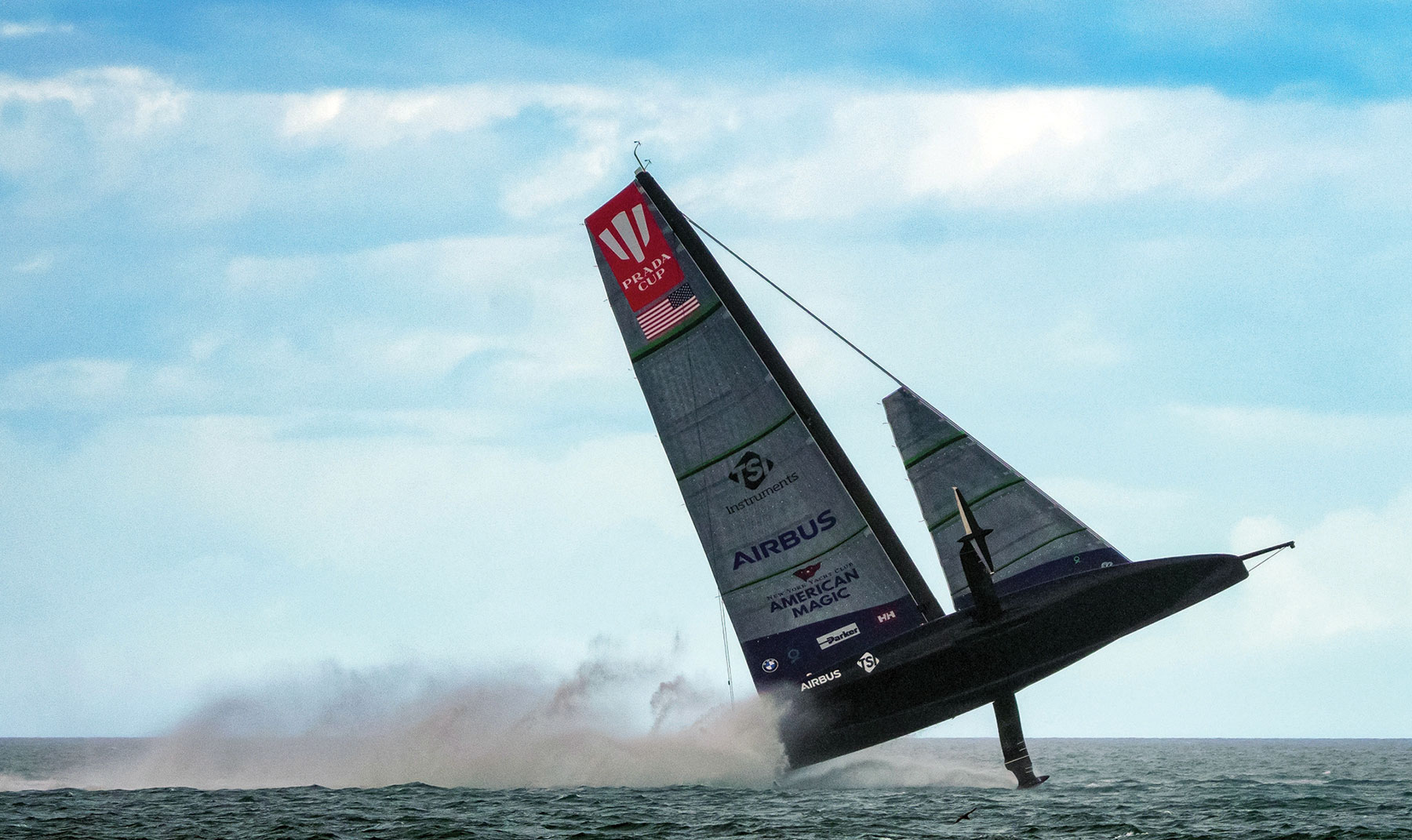
In any highly developmental sailboat class where the boats have foils — and sail at speeds above 40 knots — the search is probably never over for big speed gains and improving the ability to make lightning-fast decisions. The U.S. team members, when they started racing again in mid-January, couldn’t win a race, and when they were finally about to win one, they lost control in a blast of wind, leapt off their foils and capsized, suffering major hull and equipment damage.
After the crash, the team members rallied, rebuilt the carbon boat and all its electrical and mechanical components, and raced in the semifinals. Unfortunately, they made poor starts, and the Italian team had found extra speed in the interim. The result was a 4-0 whitewash.
Whidden said the defeat left him reflecting on his 1987 Cup team’s misguided plan. Conner built two boats and trained in Hawaii, a windy place like Fremantle, Australia, where the Cup would be held. “That was akin to listening to our own hit record in the closet,” Whidden said. Fortunately, when they watched their competition in a preliminary regatta, they realized their boats would be too slow in lighter wind, and they still had time to design and build a third boat.
Conner had to raise the money to do that, Whidden said, but because he had spread the syndicate’s other responsibilities around, he could then concentrate on steering the boat. The result was a faster boat sailed by a strong team and a focused skipper to a decisive Cup victory.
Although Whidden is not privy to how the American Magic leadership made its decisions ashore, he said Terry Hutchinson, the boat’s skipper and team CEO, seemed to have a lot of weight on his back. And on the water, Hutchinson sailed in a position with limited visibility, adding his sweat to the winch handles with other crew to pressurize the hydraulic oil that powers the boat’s systems. His helmsman, Dean Barker, and key trimmers Paul Goodison and Andrew Campbell are champion sailors, but Hutchinson is one of the world’s best.
“I’d have gotten him into the tactician role,” Whidden said. “I’ll bet you if Terry had stood behind Dean and they had a little less hydraulic oil flowing, they would have had good starts and been more competitive. And I’ll bet they wouldn’t have tipped over.”
In leading North Sails, Whidden said, if he has had a deficiency, he may not have replaced people fast enough or may have been indecisive about a corporate-level change. “You have to decide what the issue is early,” he said. “If it’s a person, how much time do you give them, how much coaching? But sometimes they didn’t do anything wrong — the plan just didn’t work. I call it getting stuck in a paradigm, which is easy when you have a business plan you think is right. The biggest, hardest decision is to change your original road map.”
Whidden has made some big calls along the way, first shifting North Sails from sewing woven Dacron panels together to making 3DL-brand sails out of Kevlar and carbon tapes and film, glued in place on molded forms in industrial settings. More recently, he bet heavily on replacing 3DL with more durable 3Di sails — made without film, using only carbon and other high-strength monofilaments and adhesives.
 COR36 / Studio Borlenghi
These changes have helped North Sails maintain its market dominance selling performance sails. Under Whidden’s leadership, the company is now North Technology Group with a $350 million annual turnover, and includes multiple divisions: North Sails, EdgeWater Power Boats, North Thin-Ply Technology, Southern Spars, North Apparel and Future Fibres.
Whidden said he has made plenty of mistakes and has learned not to beat himself up over them. The challenge for a leader is to avoid repeating mistakes, he said, adding that, hopefully, the New York Yacht Club will challenge for the Cup again, and Hutchinson will get that chance.
“I have a world of respect for Terry Hutchinson.” Whidden said. “He’s a fantastic leader. His true mettle showed in defeat — he was incredible.”
People forget how poorly Ben Ainslie and the U.K. team did in the last Cup, Whidden added. Ainslie, a four-time Olympic gold medalist, realized he couldn’t do as much himself, and he hired design coordinator Grant Simmer. This time, when they needed to make big changes early on, they were ready to do it. INEOS Team UK went from being winless in December to being undefeated in January.
This article was originally published in the March 2021 issue.