

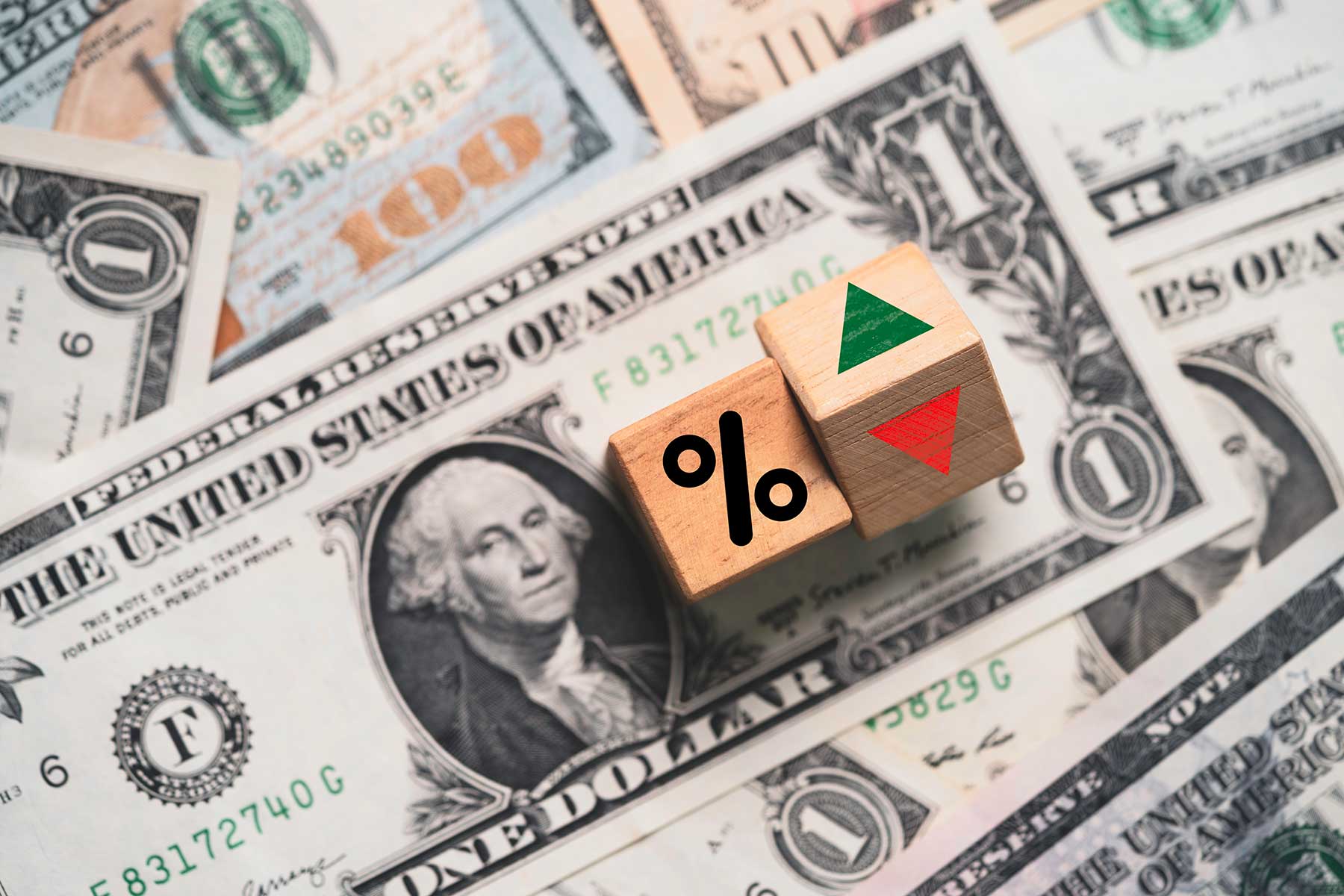
When consumers expect inflation to rise, economists say, they do one of two things. If they have enough income, they act quickly to buy things they want or need, trying to move before prices climb even higher. If they can’t afford to do that, they’re likely to trade down to less-expensive goods and limit discretionary purchases.
Either way, their decisions contribute to a choppy and less-predictable business environment, compounded by yesterday’s reported inflation increase.
The U.S. Bureau of Labor Statistics yesterday reported that consumer prices in April rose 0.6% from March and 3.8% from a year earlier, the highest annual reading since May 2023, as energy prices surged due to the war in Iran.
Meanwhile, the Conference Board’s Consumer Confidence Index managed a small gain of 0.6 points, to 92.8, in April, but it was hardly a meaningful improvement. “Consumer confidence edged up in April but was overall little-changed, despite material concern about rising gasoline prices as the war in the Middle East prompted a surge in Brent crude oil prices,” Dana M. Peterson, chief economist at The Conference Board, stated in a press release.
“Consumer appraisals of current and expected business conditions declined moderately, compared to [March],” she added. “This was offset by modest improvements in consumers’ perceptions of the labor market, both current and expected, as well as income expectations, which were slightly more optimistic in April.”
The mood at the nation’s small businesses worsened in March. The National Federation of Independent Business said its Small Business Optimism Index declined 3 points, to 95.8, leaving it below its 52-year average of 98. NFIB’s Uncertainty Index, which measures how confident member owners are about the nation’s future economic environment, rose 4 points, to 92, a negative result that moved it even further from its historical average of 68.
“The 20% small-business deduction and other supportive small-business tax provisions in the Working Families Tax Cut Act have had many positives for small business owners,” NFIB chief economist Bill Dunkelberg stated in a press release. “However, the dramatic spike in oil prices has spooked consumers and owners alike. Small-business owners are having to absorb those higher input costs and pass them along to their customers.”
Nineteen percent of member owners said taxes were their most important business problem, 15% cited labor quality, and 14% said inflation topped their list.
Confidence among the nation’s home builders declined in April. The National Association of Home Builders said its NAHB/Wells Fargo Housing Market Index fell 4 points, to 34, the lowest level since last September. Builder confidence has now been in “negative territory” — a number on the index that is below 50 — for two years.
“Builder sentiment has fallen back in spring, as buyers face ongoing elevated interest rates and growing economic uncertainty,” NAHB chairman Bill Owens, a home builder and remodeler from Worthington, Ohio, stated in a press release. “The year started with hopes for housing momentum growth, but risks with respect to the Iran war, energy costs and declines for consumer confidence have slowed the market.”
“With oil prices higher in the U.S., 62% of builders reported suppliers have increased building material costs due to higher fuel prices, including gas and diesel,” NAHB chief economist Robert Dietz added in a press release. “Energy costs make up approximately 4% of residential construction material input and service costs. With near-term economic risks elevated, 70% of builders reported challenges pricing homes, given uncertainty about material costs.”
Results in all three of the index’s sub-categories were poorer in April. The index that measures current sales conditions fell 4 points, to 37; the index that gauges future sales dropped 7 points, to 42; and the index that charts the traffic of prospective buyers posted a 3-point decline, to 22.
As with the overall sentiment index, any number below 50 is indicative of poor business conditions.
Reports on home sales activity were mixed. Sales of new homes, which had fallen in January, rebounded in February and March. The Commerce Department’s Census Bureau said sales climbed 7.4%, to a seasonally adjusted annual rate of 682,000. Catching up on housing data releases after last year’s government shutdown, the bureau said sales in February rose to a seasonally adjusted annual rate of 635,000, after falling in January to a rate of 583,000.
“Looking ahead, the rise in new-home sales points to a modest strengthening in residential construction activity in the near term,” Danushka Nanayakkara-Skillington, NAHB’s assistant vice president for forecasting and analysis, stated in a press release. “However, the outlook remains sensitive to interest-rate movements and affordability conditions, which will ultimately determine the sustainability of this momentum.”
The government said the median new-home sales price in January was $387,400, down 6.2% from the same month a year earlier. It was the lowest figure since the summer of 2021. Meanwhile, existing-home sales fell in March. The National Association of Realtors said sales dropped 3.6%, to a seasonally adjusted annual rate of 3.98 million. NAR also said the median existing-home price in March was $408,800, up 1.4% from the same month a year earlier. March marked the 33rd consecutive month of year-over-year price increases.
“Inventory remains a major constraint on the market,” NAR chief economist Lawrence Yun stated in a press release. “Because inventory remains limited, the median home price rose to a new record high for the month of March. That price growth has helped the typical homeowner accumulate $128,100 in housing wealth over the past six years.”