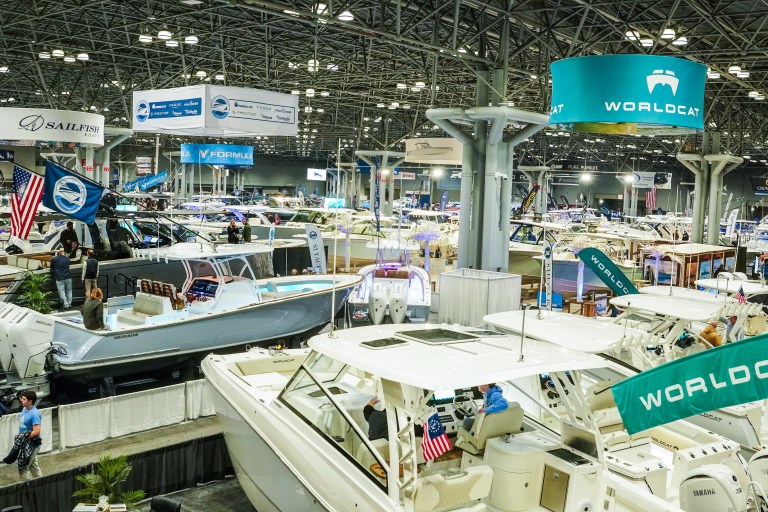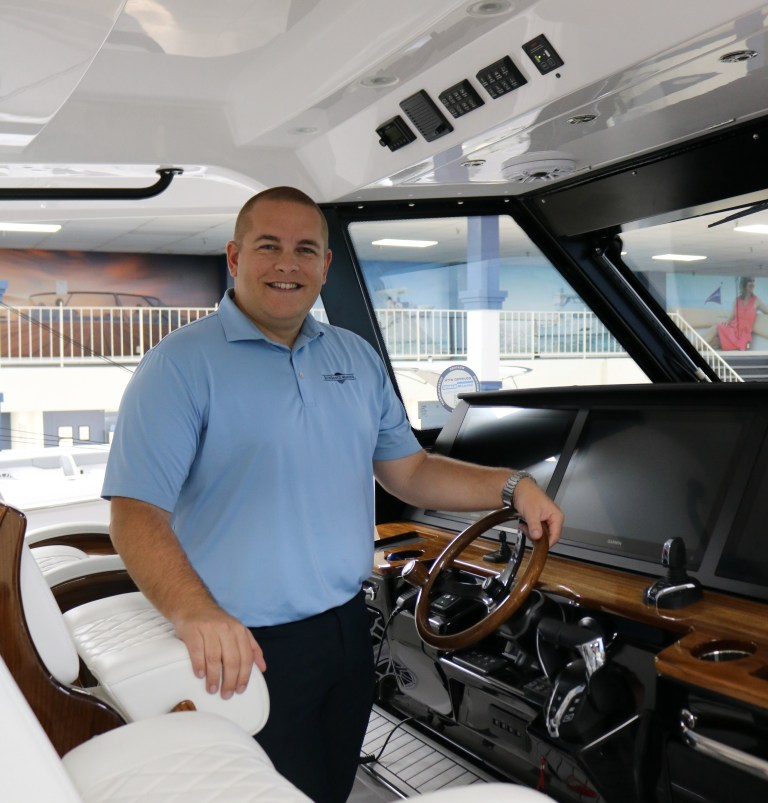

The Soundings Trade Only Group EPIC Awards recognize companies that are shaping the future of the recreational marine industry. But in years like this one, so many companies are doing so many things at an extraordinary level that it’s a real challenge to decide which ones are doing it all the best.
“The caliber of this year’s submissions was extraordinary, making the judging process particularly challenging,” says Michele Goldsmith, vice president and general manager of the Soundings Trade Only Group. “When previous top winners, despite continuing to push the boundaries of innovation, rank fourth or fifth, it speaks volumes about the strength of the competition. The level of innovation demonstrated by this year’s Top 10 is remarkable, and that’s an encouraging sign for the future of our industry.”
The 2026 EPIC Awards included established companies as well as start-ups that are demonstrating excellence and meaningful impact across a range of areas, including altruism, social awareness, development, technology, work culture, manufacturing processes, supply chains, sustainability, training and more.
Goldsmith was among the judges, alongside Mark MacKenzie, who is chief operating officer of the Marine Group for Soundings Trade Only’s parent company, Firecrown Media. Also on the judging panel was Larry Russo, a third-generation marine industry leader who ran Russo Marine before becoming senior vice president of MarineMax Northeast, served as chairman of the Marine Retailers Association of the Americas, as well as on numerous boards, and retired in 2025.
Fellow judge Steve Tilders brought more than five decades of marine industry experience to the EPIC Awards panel, including 17 years with BoatLife and 34 years with the company whose marine brands evolved from Rule, ITT and Jabsco to Xylem. Tilders also served on the board of the National Marine Manufacturers Association, among other roles.
Rounding out the panel was Chris Dixon, a regular contributor to several Firecrown Media brands and the author or co-author of numerous books, including The Ocean: The Ultimate Handbook of Nautical Knowledge and Ghost Wave: The Discovery of Cortes Bank and the Biggest Wave on Earth.
This year’s winners include the Top 10 overall, several honorable mentions and nine category winners that demonstrated specific areas of excellence. Here are the 2026 EPIC Award winners.
1. Grady-White

Eddie Smith, who has owned Grady-White Boats since 1968, considered offers of more than $400 million to sell the company. He could have done what so many of his contemporaries in the marine industry did before him: cash out and walk away with his pockets full.
But with his wife and only son gone, 80-year-old Smith decided his priority was instead to preserve Grady-White’s legacy and culture. Many of his friends, after selling the companies they’d built, had watched them change drastically or be outright destroyed. He didn’t want that kind of outcome for the employees and customers who had been part of his journey with Grady-White across so many decades. “Our company has a soul,” he says, “and I couldn’t take the chance that would be lost.”
To avoid an unfortunate future for Grady-White, Smith did something that nobody in the recreational marine industry had ever done. He had read about outdoors outfitter Patagonia’s owner creating a perpetual purpose trust in 2022. Smith did the same for Grady-White, as a way to preserve and protect the company’s values, principles and way of doing business, including commitments to team members, customers, dealers and the community.
Smith and Grady-White’s leadership spent months working with Natalie Reitman-White of the Purpose Owned consultancy. Smith also amassed a team with expertise in accounting, finance and law. Together, they documented Grady-White’s way of doing business that had developed over 50-plus years to guide the leaders of the future and keep in place the most critically important aspects of company values and principles.
In addition, Smith created a nonprofit organization to channel Grady-White’s profits to worthy causes. The community and organizations in health care, education and conservation can now expect to see a stream of donations continue for decades to come.
“Grady-White Boats now has a clear future beyond the life of Eddie Smith,” marketing manager Katie Creech wrote in the company’s award submission. “The entire team can breathe easily knowing we won’t be sold to an outside company that wouldn’t carry on our culture, our legacy and our way of doing business. Our future is secure knowing the same leaders will be here for many years, and the leaders who come later have a well-documented guide to how to maintain and enhance Grady-White Boats for employees, customers, dealers and the community.”
Smith’s decision, as judges Mackenzie and Dixon noted, resulted in widespread media coverage not just for Grady-White, but also showed the whole marine industry in a positive light. In addition, Goldsmith noted, Smith’s decision was important in setting an example that more company owners may follow as the boating industry changes.
“I hope it inspires others,” Goldsmith says.
“I think what Eddie Smith did for Grady-White was truly EPIC,” Steve Tilders says. “Not selling the company and taking care of employees, while benefitting others, ensures that Grady-White’s ‘secret sauce’ stays intact for the future.”
2. Brunswick Corp.
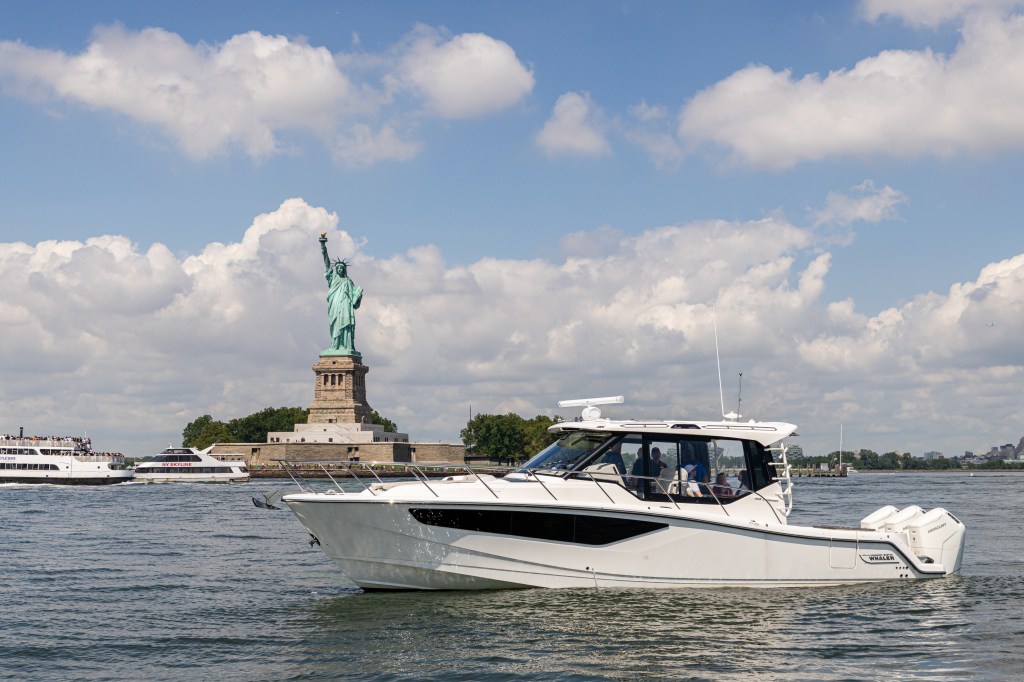
Brunswick Corp.’s strong showing in this year’s EPIC Awards comes as David Foulkes, executive chairman and CEO, is preparing to retire at the end of the year. “David Foulkes has done an extraordinary job of transforming Brunswick into a technology company within the marine space,” Goldsmith says. “It makes sense that they are now at the forefront of integrating AI into a wide variety of what they do in order to be better and more efficient. They have used it in terms of product, people, supply chain, even building business models to deal with tariffs. They have a comprehensive way that they are integrating AI into their company.”
In the past year, Brunswick advanced its companywide innovation agenda, which focuses on transforming how consumers discover, access, operate and enjoy boating. A top example is the launch of AutoCaptain, the first autonomous solution from Brunswick. It’s an intelligent technology platform that can simplify navigation and enhance the boating experience. And it’s just one among numerous technologies the company is advancing as it aims to make boating easier, more accessible and more enjoyable for a broader audience.
“These technologies are helping redefine how boats are operated, navigated and managed while creating applications that extend beyond recreational boating into commercial and government maritime sectors,” wrote Lee Gordon, Brunswick chief communications and government affairs officer. “Brunswick’s innovation efforts demonstrate how technology originally developed to enhance the recreational boating experience can ultimately shape the future of marine operations across multiple industries.”
Brunswick also made strides this year in workforce development, process improvement and cross-company collaboration that included such areas as engineering, product development, manufacturing, customer experience, training and corporate teams. “Brunswick committed resources during a period in which many companies focused primarily on managing market uncertainty,” Gordon wrote. “Instead, we maintained investments in innovation, advanced technology development, employee training and strategic growth initiatives.”
Brunswick also announced its 2030 goals, which would more than double the size of the business. It’s an ambitious plan, with Brunswick’s Mercury Marine already having almost 50% of its market, Freedom Boat Club having surpassed 450 locations, and the company’s advocacy helping lead to the introduction of the bipartisan Boat Loan Interest Deduction Act of 2026. The legislation would let Americans up to a certain income level deduct up to $10,000 in interest relating to loans for qualifying boats with final assembly in the United States.
In the next one to five years, Brunswick expects to further expand intelligent boating technologies, digital experiences and connected ecosystems that simplify and enhance life on the water.
3. Volvo Penta
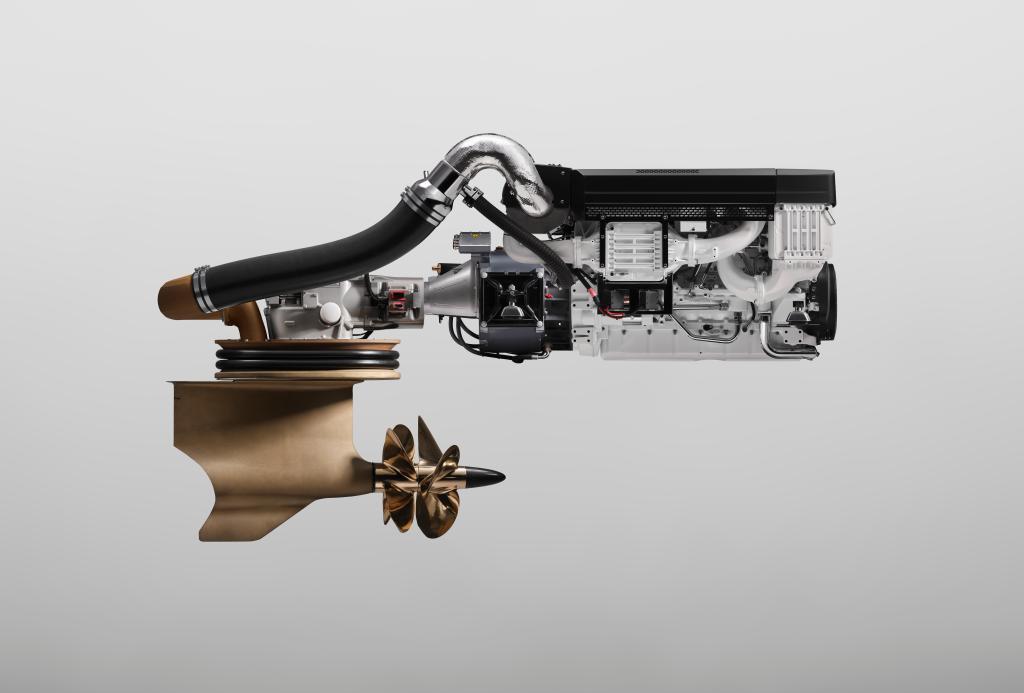
It’s been more than 20 years since Volvo Penta introduced the Inboard Performance System, and the company isn’t even close to done innovating in the propulsion space. The past year saw Volvo Penta advance IPS into hybrid and fully electric realms across the recreational and commercial marine sectors.
There’s now an IPS Hybrid system for professional vessels, including passenger ferries and offshore crew-transfer vessels. Volvo Penta also unveiled the D13 IPS Hybrid yacht propulsion system, allowing recreational owners to enjoy near-silent electric cruising up to 11 knots, with zero-emission anchoring and HVO compatibility.
A 157-foot Baglietto was the first custom superyacht powered by the IPS Professional Platform, with Eco mode and a reported 30% fuel savings. There was also an Amer 42 Explorer that became the first steel displacement superyacht under 500 gross tons with the IPS Professional Platform. And in the land Down Under, the Aus Ships Passenger Ferry became Australia’s first with 100% electric propulsion, powered by twin IPS450E drivelines.
“These initiatives solve critical industry challenges: carbon emissions, high operational costs, complex multivendor hybrid integration and noise at sea,” wrote Melissa Stewart, marketing and communications manager. “Traditional hybrid installs require piecemeal components from disparate suppliers, creating maintenance friction and integration risk. Volvo Penta’s evolution of IPS provides a single-source, helm-to-propeller package where propulsion, electric motors, batteries and EVC control software operate in total harmony.”
Achieving these advancements required thousands of hours of virtual simulation and rigorous open-water testing to evaluate trade-offs between battery weight, energy density and high-load commercial durability. The successes also required deep co-engineering with shipbuilders to align hull design with pod dynamics, alongside close cross-collaboration to leverage Volvo Group’s electromobility architecture.
Volvo Penta is no longer the same company as it was when it developed IPS all those years ago. “The evolution of IPS has transformed Volvo Penta from an engine manufacturer into a full-system, sustainable mobility leader and total marine integrator,” Stewart wrote. “By offering a single point of contact for propulsion, energy storage and vessel control, we have strengthened customer retention, deepened OEM partnerships and opened entirely new market segments, such as displacement steel superyachts and commercial electric passenger ferries.”
The captains and crews who operate the vessels benefit, too, according to the company. Volvo Penta’s system gives them use of intuitive EVC controls, joystick operation, assisted docking and dynamic positioning across all drive modes.
Volvo Penta has delivered more than 45,000 IPS units, and it continues to work toward net-zero value chain emissions by 2050 with a 37.5% reduction in product emissions by 2034. Look next for the release of a dedicated IPS Electric range across quad configurations.
4. Garmin
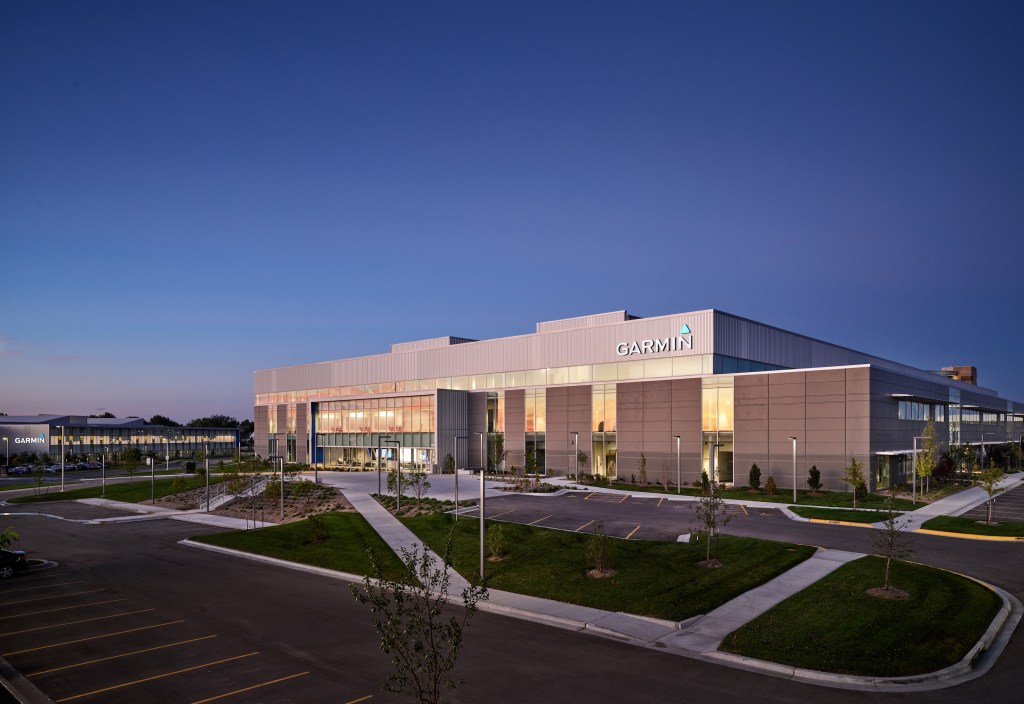
It’s impressive enough that in the past year, Garmin introduced new technology across 15 product launches that improved sonar performance, communications, on-board safety, vessel integration and the overall boating experience. But that’s not all that Garmin did to earn its high ranking in this year’s EPIC Awards.
“They just keep coming out with extraordinary products for the industry. It goes beyond being product leaders,” Goldsmith says. “It’s also what they’re doing on training and with sustainability that impressed the judges.”
Garmin’s efforts in the past year included expanding its flagship multifunction-display portfolio with the GPSMap 9000xsv series, providing premium navigation, integrated sonar, networking and vesselwide integration capabilities for increasingly connected helms. Garmin also introduced LiveScope 2, a next-generation live sonar with improved target separation and image clarity. The company added 360-degree sonar that lets anglers see fish and structure in every direction around the boat. And it unveiled a first-of-its-kind motorized Spy Pole, which is a live sonar control mount for LiveScope and 360 sonar that lets anglers steer the transducer with accuracy and ease.
Those alone would be a lot of product introductions for most companies, but Garmin also added the Signal VHF radio series with integrated AIS technology, advanced noise-cancellation features and an industry-first 3.5-inch color touch screen. The tech advancements mean Signal VHF users can listen to multiple channels at the same time, eliminating the need for duplicate radios.
Garmin also expanded its connected boating ecosystem with such products as the quatix 8 Pro smartwatch, while its OnBoard system improved man overboard protection by replacing traditional tethered engine cutoff systems with wireless detection technology that can automatically trigger safety actions when someone enters the water.
Complementary innovations in the past year included JL Audio marine amplifiers and deeper integration across navigation, communications, audio and vessel-control systems. “These innovations show how Garmin delivers the latest technology with essential utility, leading-edge performance and exceptional ease of use, helping boaters spend more confident, productive and enjoyable time on the water,” wrote Carly Hysell, associate director of public relations.
Beyond the product introductions, Garmin’s notable culture successes in the past year include investing in the next generation of marine-industry talent through internship and STEM outreach programs. Garmin hosted 333 summer interns across 12 U.S. locations, and continued the company’s Engineering Day Camp, a program that has welcomed more than 200 high school students who explore engineering concepts, learn about careers in technology, and work in teams to build rovers that complete challenges using electrical, mechanical and software engineering skills.
“Garmin’s culture is more than a workplace initiative,” Hysell wrote. “It is a long-term commitment that enables employees to grow, collaborate and innovate while helping the company consistently deliver industry-leading products and experiences for customers around the world.”
5. Correct Craft
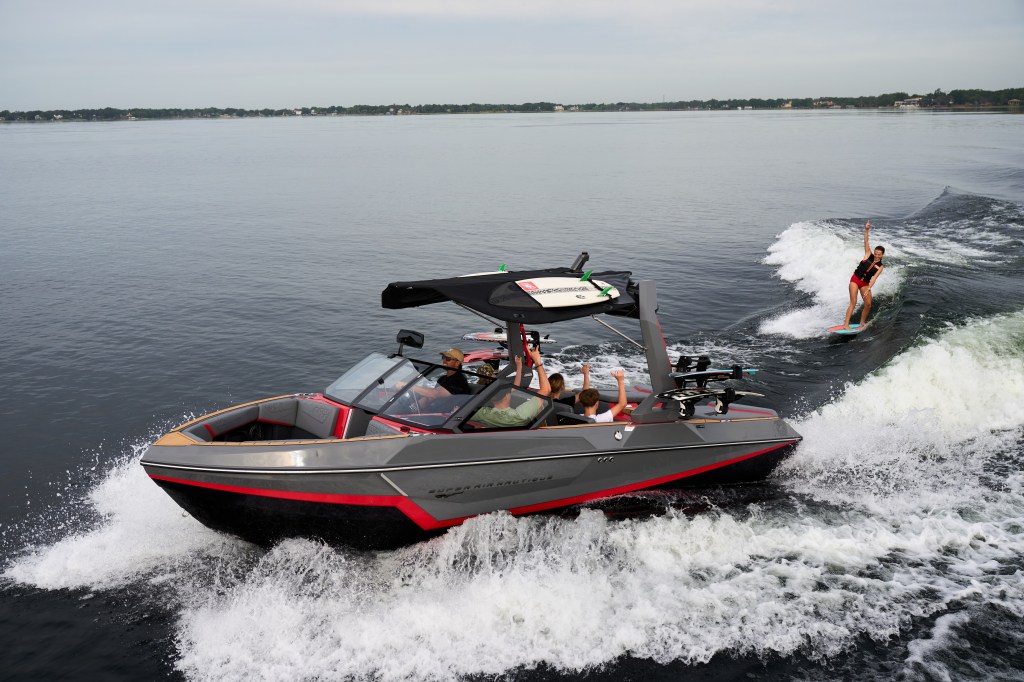
In preparing its entry submission for this year’s EPIC Awards, Correct Craft did something the judges had not seen from any other company in the past: built a website, which showcased what the team has been doing as an industry leader across multiple areas.
And Correct Craft’s team has certainly been doing a lot. In 2026, the company completed its first CEO transition in two decades, with Zach Hutcheson stepping into the role after years of planning with now-former CEO Bill Yeargin. A few months later, Correct Craft completed its biggest-ever acquisition, welcoming Fluid Motion and its Ranger Tugs, Cutwater and Solara brands into the company portfolio.
At the same time, the other brands under the Correct Craft umbrella advanced their model year 2027 lineups, including Nautique’s redesigned S-Series, Centurion’s new RS Series, Revel’s RL23, and Parker’s 220 and 240 Coastal Elite.
Nautique also designed a boat fully in virtual reality, while Osmosis advanced AI-enabled marine telematics, and Centurion and Supreme brought more than 40 vendor partners together to improve quality and design speed in their model lines.
“One of the two things we consider part of our secret sauce is strategic planning, which is why we have a full-time team member dedicated to helping every Correct Craft company build and execute its plan,” wrote Kyle Robers, Correct Craft’s marketing coordinator. “Innovative thinking is embedded in that process, not treated as a separate initiative. The plans help teams set priorities, define measurable goals and make valuable trade-offs. That often means saying no to good opportunities so we can put resources behind the few things that can have the greatest impact.
“We then give our companies room to execute while maintaining accountability to what they committed to accomplish,” Robers adds. “We know the process is working when teams achieve the goals established in their strategic plans, and those results translate into stronger people, products, operations and customer experiences.”
Goldsmith and Tilders both found it especially noteworthy during the judging process that Correct Craft continued to innovate and make notable progress amid leadership transitions and executive retirements that might have hindered some other companies.
“There was a Water Ski World Series with young and old. There were equal payouts for female and male contenders in that World Series,” Goldsmith says. “There was virtual reality used in development and AI policy development. It’s a company that understands how culture and cultivating a workforce can not only make your company better; it can make the community, the industry and the globe better. That’s what they do.”
The Correct Craft team also continues to engage in the world through volunteer efforts, including in Arkansas, where more than 100 Correct Craft volunteers spent two weekends renovating Serenity House to assist domestic-violence victims. SeaArk used a skill its team knows well, welding, to introduce children at a local orphanage to a trade. Indmar helped bring 150 volunteers into a community cleanup. “These are just a few examples of how our teams serve communities across the country,” Robers wrote.
6. Smoker Craft
It’s a heck of a thing for a century-old company to be leading on innovation by doing things in ways they have never tried. That’s exactly what’s going on at Smoker Craft Boats, which was founded in 1921 in New Paris, Ind., and has undergone a wholesale transformation in the way it runs production lines, builds boats and more.
“They’ve made significant improvements in manufacturing, from better efficiencies to improved product quality to a significant reduction in waste,” Goldsmith says. “100 years later they’ve raised the bar in manufacturing, and that’s exciting to see.”
The company, which is family-owned and operated, set a goal this past year of completely changing the way it builds boats, both technologically and in terms of manufacturing processes. At the same time, Smoker Craft looked to elevate the user experience, leverage AI for efficiency and use data to reinvent how the organization operates.
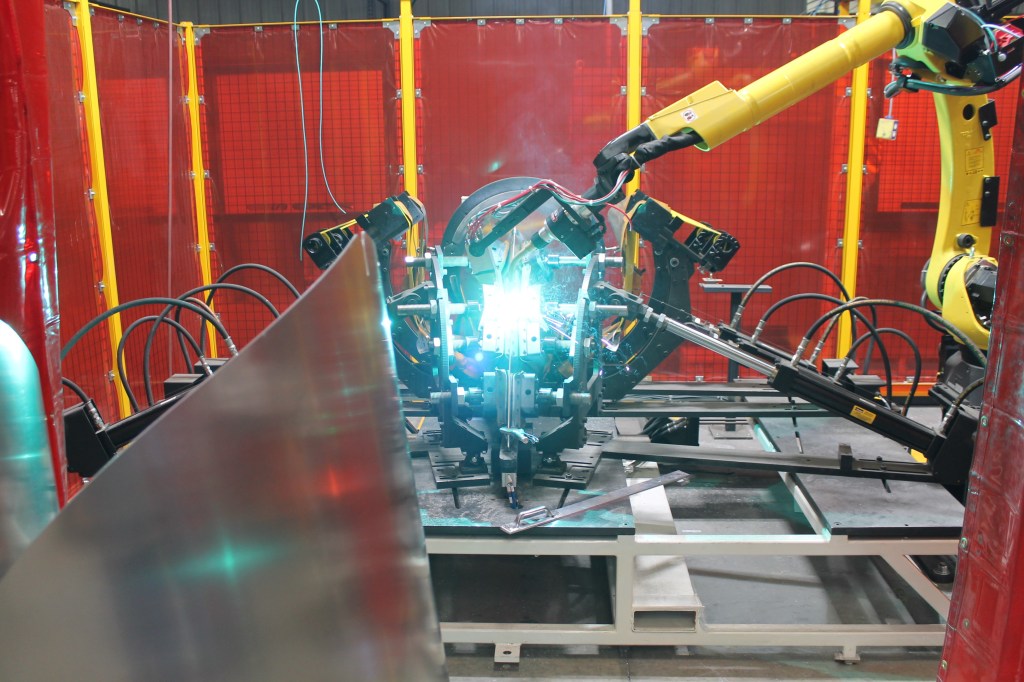
For instance, the aluminum fabrication line now uses new machinery and advanced artificial intelligence, aiming for a safer working environment. AI dashboards now test, improve and validate procedures in the manufacturing supply chain, creating a visual tool that lets the staff tweak operations more precisely. New websites are earning more traffic while giving Smoker Craft better customer feedback and actionable data.
Smoker Craft reviewed their business and manufacturing. It became clear to them that their manufacturing technologies and systems were older and needed improvement. They committed to implementing change even with the understanding that it would be a large investment of time, energy, people and dollars. And when they began, there was no guarantee that they would reach their goals.
Their continuous improvement team started with the data, identifying processes ripe for change, potential obstacles and solutions. They focused on efficiencies and precision, line operations, costs and people — how employees would gain the skills to operate manufacturing machinery embedded with new technologies. Through its ups and downs, the team at Smoker Craft stayed on course, ultimately reimagining the way in which they manufacture.
The benefits of the new machinery and manufacturing processes have increased efficiency, accuracy and quality to build better boats, significant waste reductions and a safer work environment for employees. Nate Barrett, sales and marketing analyst, wrote, “Success was most evident within the first few weeks of the completed plan. Our numbers were staggering: material utilization jumped 11%, scrap rate dropped 11%, just to name a few results. Even more so, we saw a great shift in employee sentiment regarding technology and the way it helps them work. Attitudes turned from ‘this is how we’ve always done it’ to ‘maybe we can try something new that might work better,’ an astronomical shift.”
As Smoker Craft enters its second century, the company is clearly not resting on its laurels. Instead, it continues to build on its remarkable legacy, finding new ways to innovate, improve and make a meaningful contribution to the marine industry.
7. Dometic
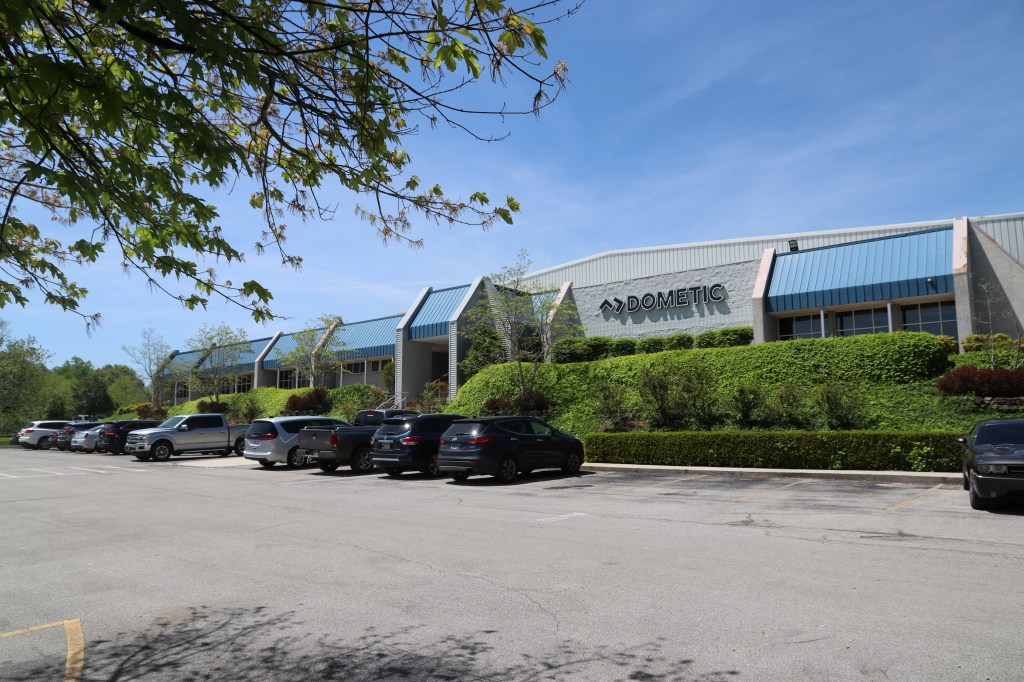
Dometic has long been known for innovative products and technologies. Right now, the company is exploring the possibilities of total 48-volt ecosystems as the future of boating. And the Dometic team really does mean total ecosystems. They’re developing alternators to create power, advanced lithium batteries for energy storage, 12- to 48-volt DC power management, N2K and HTML5 communications to tie it all together, smart products such as the DG3 gyrostabilizer and 48VDC air conditioning, and a whole lot more.
“While other companies offer 48-volt power systems, only Dometic can combine its expertise in gyro, A/C, refrigeration and other key systems to develop new products and technologies that maximize comfort, optimize energy efficiency and allow recreational boating to move away from smoky, noisy internal combustion generators,” wrote Laurie Louvier, vice president of global marketing.
Dometic is trying not only to work on electrification, but also to make electrification practical in ways that enhance the boating experience instead of compromising it. To that end, the company tests product ideas in real-world applications, such as outboard boats that need systems to operate continuously in challenging environments.
And in pushing toward achieving these product and technology goals, the company itself evolved. “We’ve always called ourselves a solutions provider, but we’ve broadened the definition and scope of these solutions, as evidenced in our groundbreaking innovation in the area of power creation, storage and management, and practical and efficient use of this power through our line of on-board systems and products,” Louvier wrote. “Our history and track record of providing solutions to boatbuilders around the world has led us to growth and development of many strategic partnerships.”
The team is especially excited about how the next generation of boaters is responding to these products and technologies. This next generation includes people who, Dometic says, “are accustomed to technology in their homes and automobiles and have high expectations for a positive, comfortable and hassle-free, on-the-water experience. They are also increasingly concerned about sustainability, and the ability to power on-board systems without turning to gasoline or diesel engines is appealing.”
The benefit is being able to enjoy a quiet night at anchor without firing up a genset. And anglers don’t to worry about running out of juice in the A/C or refrigeration systems. Dometic says the key is the rise of 48-volt power and products that make it possible to run on-board systems purely with electricity.
“More on-board systems will be created to optimize the 48-volt platform,” Louvier wrote, “and Dometic is uniquely qualified to lead this charge towards quieter, cleaner, better and more energy-efficient solutions aboard tomorrow’s boats.”
8. Lookout
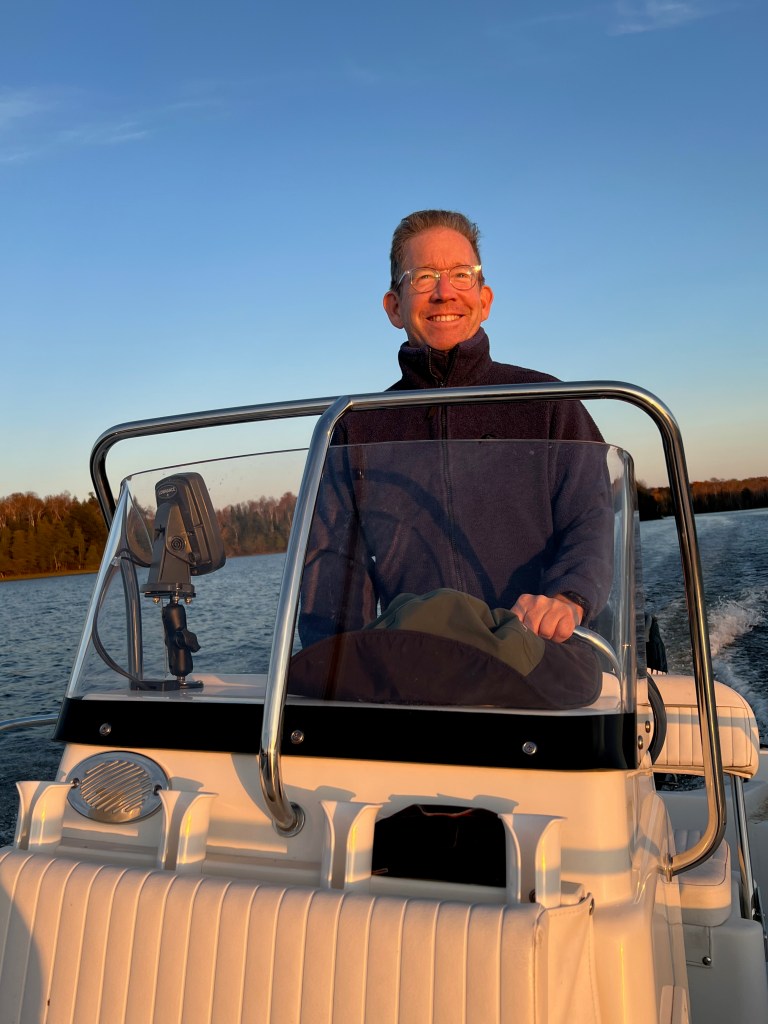
Lookout is taking an unusual approach to growing its business. The company is giving away some of the tools it develops. The AI marine vision company uses technology to help skippers see beyond what they’re used to seeing, with things like full-color night vision and a zoom that can identify what’s floating a mile out. The tech integrates with any marine low-light camera and is compatible with the major MFD brands, such as Garmin, Raymarine, Simrad and Furuno. The system system combines computer vision, radar, AIS and chart data into a single, 3D augmented reality view at the helm.
Lookout products are currently on a few hundred boats. “This year, we decided that wasn’t good enough,” wrote founder and CEO David Rose. “We took the ‘seeing’ off the boat and gave it away — the Lookout App, free to any boater, powered by the Lookout Community Cloud, where every hazard one boater reports becomes a warning for every boater behind them. Then we opened that hazard data to the wider industry, so it reaches boats that will never carry our hardware.”
That decision is what most caught judges’ attention for this year’s EPIC Awards. “It’s impressive that they’re willing to share a lot of what they could have kept very private,” Goldsmith says. “They could have kept it to themselves, and they didn’t. They chose to do the right thing for the greater good of boaters and the industry.”
The idea is that a sighting from one vessel automatically reaches every vessel behind it, and SafePath — which calculates routes with real-time hazards factored in, beyond what’s on traditional charts — takes the boat around the hazard, such as a whale or semisubmerged log, and back to the original course.
“Safety technology has a quiet problem: It reaches only a small percent of those who really need it,” Rose wrote. “The most experienced captains on the best-equipped boats get the best information. That’s because they have access to the most sophisticated, and most expensive, tech. Everyone else gets a chart that was accurate the day it was surveyed.”
Lookout did something highly unusual when it gave away this kind of technology to all kinds of boaters, Rose added. “Nobody in marine electronics had given away their data or their core capability, so there was no demand to point at and no playbook to follow,” Rose wrote. “The obvious objection is the one any board would raise: If the ‘seeing’ and information is free, why buy our system? We think the answer is that they do different jobs. The app tells you what other people have found; the Lookout system sees what nobody has found yet. Ultimately, we launched before we could prove it, but our company values grounded us in community and the collective benefit.”
9. Scout Boats
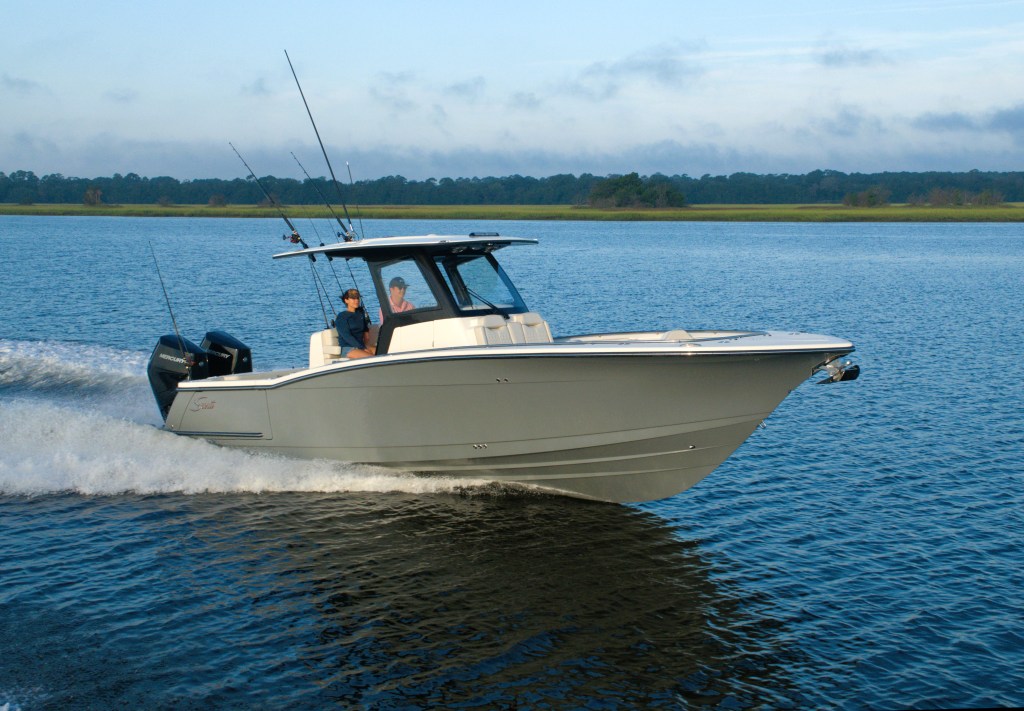
Scout made a huge splash last year with the 670 LXS, the world’s largest outboard-powered boat. And sure, the company could’ve just continued to ride that wave of publicity well into this year, too.
“It would have been easy for Scout to sit back and boast of the efforts, but Scout was simultaneously in development with additional new models to help bolster their lineup,” wrote brand partner Mark Jerkins of Tinsley Creative. “They designed and introduced a new 435 LXF Li-Ion model, plus a 288 LXF, 288 Dorado, 220 XSF, 220 Dorado, 200 Sportfish and 188 Sport Dorado. Including the 670 LXF, that makes eight new models in the past 12 months, and 16 new models over the past two years.”
The 435 LXF Li-Ion is notable because it has a Fathom e-Power lithium-ion battery management system by Navico Group, making it possible to go boating without a generator. The Mercury engines charge the batteries.
“Today’s boating customer is much savvier and technologically driven in their needs and expectations,” Jerkins wrote. “The industry has suffered over the decades because of its inherent perception of lack of innovations brought to the marketplace compared to the automotive and aerospace industries. The customer wants to find the same conveniences they have in their vehicles and at home in their new-boat purchase.
“We’re keen on that thought and have been well ahead of the game in infusing technology and these creature comforts into our models over the years,” he added. “It’s not your same old boat anymore when it comes to a Scout that’s packed with innovations, and our customers experience a whole new level when out on the water.”
A lot of companies talk that kind of talk, but the EPIC Awards judges noted that with Scout and especially the founder and CEO, the company has walked the walk for quite a long time. “Steve Potts, if he believes that a new technology is going to be better for his customer base and better for the build and his boats, he will take that risk on new technology,” Goldsmith says. “I remember when he first put digital switching on board. He took all the switches off his dash, and it all went to a Garmin screen. This was completely unheard of at the time.”
Scout also spent this past year introducing all the new models at a time when sales industrywide were flat or down, and dealers were still trying to work through existing inventory. “We implemented sales promotions such as our Model Closeout Sale, Scout Select Promo, our entry-level Get On The Water promo, among others, and marketed them aggressively to help our dealers reduce any inventory issues and to be able to make room for new product,” Jerkins wrote. “And of course, we stair-step the introductions so not all come out at once.”
What the company is doing seems to be working. For the past seven years, Scout reports a nearly 25% increase in gross revenue, with Potts being inducted into the National Marine Manufacturers Hall of Fame. “We’re trendsetting, and we have no plans to slow that down,” Jerkins wrote. “Being family owned and operated, as well as debt-free, means we can move the needle faster when it comes to propelling the marine industry forward as a whole, as well as providing the utmost experience for our customers.”
10. Imtra
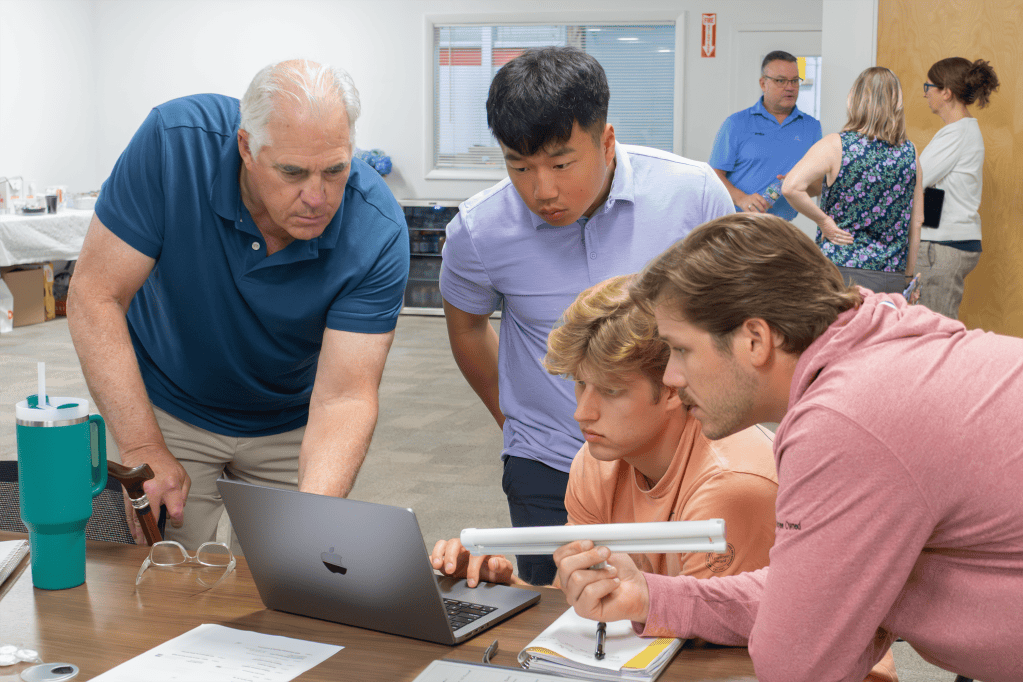
In 2022, Imtra — which represents brands including Sleipner, Lumishore, Zipwake and Victron — sold 100% ownership rights of the company to its employees through an employee stock ownership plan, with a committee that cultivates a vibrant culture of ownership. Now the Employee Ownership Committee has merged with the company’s Events Committee, which builds workplace camaraderie through fun events, holiday celebrations and team-building activities. The idea is to reinforce the connection between individual contributions, shared company success and long-term equity.
Imtra’s big-picture philosophy is that traditional corporate structures often suffer from departmental silos: employees who rarely see one another because of their departments, or who lack strong connections between those in the office and those working remotely. Without creating deliberate cultural touchpoints, employee ownership risks becoming an abstract financial concept on paper, rather than a daily, lived culture.
So the company hosts events such as seasonal gatherings that recur annually, repeating and refining them year after year to establish a high baseline of trust and appreciation. The goal is to demonstrate that employee ownership is an active, cultural driver, not a passive benefit.
Some examples of employee-owner events include a Labor Day cookout, an annual chili cookoff and Halloween party with some friendly competition amid the home-cooked meals, a Friendsgiving celebration to help everyone celebrate milestones and share traditions, and a holiday office party and gift swap with group games and activities for everyone to participate.
Imtra’s employee owners also connect with the surrounding community through volunteer work and charitable match programs that help to address food insecurity, environmental conservation, youth development and more. These efforts included volunteering at a YMCA community farm to sort and pick produce, as well as to weed and clear farm plots. Additional efforts included delivering produce to Damien’s Place Food Pantry, and putting together gift packages for local children during the holiday season.
Imtra also has a Season of Giving program where the company matches employee donations up to $50 to any qualified nonprofit organization, with a total company match of up to $1,500. And Imtra this past year granted every employee owner a $100 company-funded budget to allocate among 12 vetted regional charities representing diverse humanitarian and environmental causes.
Members of the local community are quick to note the impact that Imtra’s efforts are making, such as a representative of a beach cleanup who reported back: “Because of your efforts, our bay is a little cleaner today. Here’s a look at everything we pulled off the beach, for a total of 1,526-plus pieces of trash: almost 500 cigarette butts, 229 plastic food wrappers, 59 bottles, 53 straws, 44 nips, 88 large plastic fragments, a Hula-Hoop, a broken Super Soaker, two giant plastic pallets, so many socks and a dirty diaper.”
The workforce-stability result of the efforts Imtra is making include an average employee tenure of 13.8 years, with some employees still with the company after more than 40 years.
Category Winners
Training: National Marine Electronics Association
This past year, the NMEA advanced its Industry Marine Electronics Installer Training Program with a strategic goal to expand access by offering two foundational full-day courses in Spanish. “The Spanish wasn’t just a translation,” Goldsmith says. “It was working with locals to get it right. They upped the ante in terms of the way that training is done and the way they’re using technology.”
In addition, the NMEA enhanced the relevance of its training programs by developing three specialized learning tracks tailored to the vessels and equipment they serve: freshwater recreational, saltwater recreational and commercial. The idea is to broaden access to professional training while ensuring that installers receive instruction aligned with the specific environments and technologies they encounter in the field.
Notably, the NMEA identified the need for Spanish-language access after experienced installers and NMEA members from the United States traveled to Mexico, Panama, Costa Rica, Puerto Rico and other regions to service and install electronics systems. NMEA members engaged with local marinas, boatyards and service professionals, speaking directly with technicians and workers on the docks. These conversations consistently highlighted a strong demand for professional training and industry-recognized certification programs.
While many marine professionals were able to communicate effectively in English, the certification examinations associated with NMEA installer training presented a significant barrier. The association issued a call for assistance to volunteer members throughout Latin America and Spanish-speaking markets, and numerous industry professionals stepped forward to support the effort.
Rather than requiring participants to travel to the United States, which can be expensive and subject to visa restrictions, the NMEA delivered training in participants’ home countries and native language. This approach significantly reduced barriers to access while allowing a greater number of professionals to benefit from industry-recognized education and certification.
In addition, the association expanded its virtual training capabilities, enabling professionals anywhere in the world to attend live, instructor-led courses in Spanish or English. This expansion created a scalable model for workforce development that is expected to grow and reach new audiences in the years ahead.
The NMEA is now translating more advanced training programs and certifications, with plans to expand translations into additional languages beginning in 2027. French and Italian have been identified as priority languages due to the significant boatbuilding, marine manufacturing and boating industries served within those regions.
Category Winners:
Altruism & SOCIAL IMPACT
Grady-White Boats
Development and Technology (tie)
Brunswick Corporation and Garmin
Sustainability
Volvo Penta
Workforce & CULTURE
Correct Craft
Manufacturing and Supply CHAIN
Smoker Craft
Startup
Lookout
Partnership
Sharrow Marine
TRAINING
NMEA
HONORABLE MENTIONS
Wavve Boating
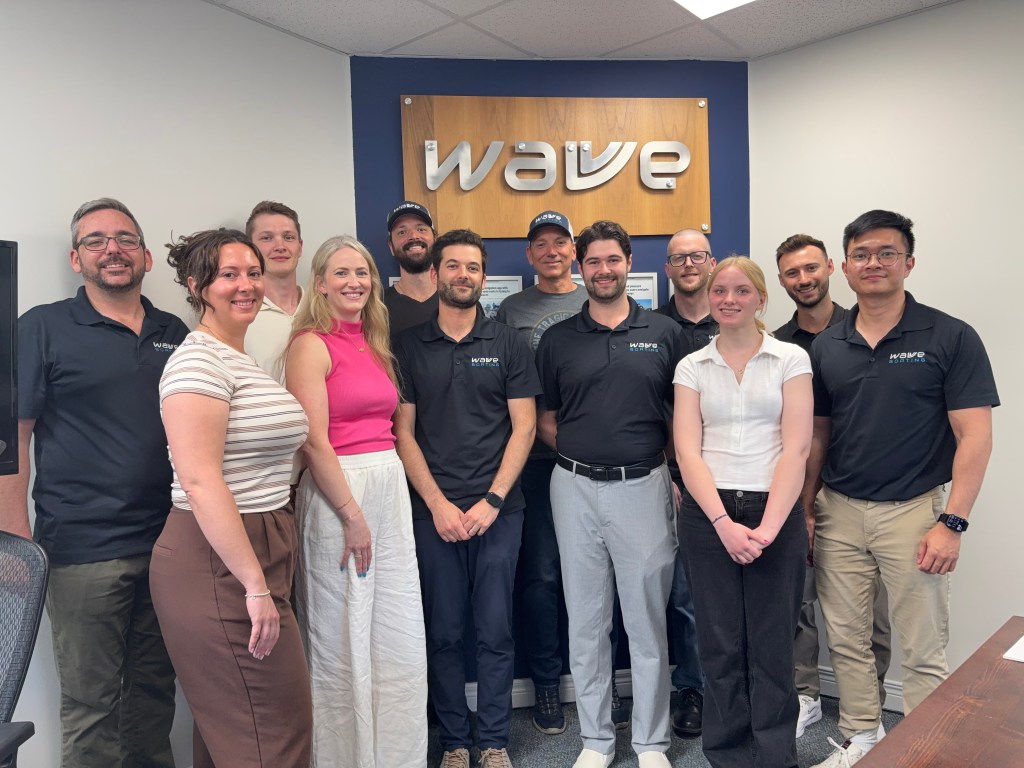
Wavve Boating introduced a new approach to route planning that lets boaters choose how their route is automatically calculated based on their situation and preferences. Developing this approach took more than 18 months, with the result being three algorithmic routing modes that let boaters prioritize marked channels, the shortest path or a balance of both. Route, weather, tides, hazards, speed zones and depth information all come together in a richer pretrip view, while charts are redesigned with enhanced depth shading and clearer iconography. This all gives boaters a more complete picture of their trip before they leave the dock.
In addition, Wavve’s navigation approach now works with the Apple Watch, including map controls, tactile feedback and shallow-water alerts designed specifically for boating. Wavve’s team says these advancements go beyond the idea of traditional navigation, which is built around getting boaters from point A to point B. Boaters are often weighing the pros and cons of busy channels, water levels, vessel characteristics and personal preferences, all while changing weather, tides and hazards can alter the conditions along the way.
Those are the kinds of variables that the company is working to bring into its products, spending 3,000 engineering hours on new routing algorithms, extensive testing across diverse waterways, and infrastructure to support multiple routing strategies. The Apple Watch collaboration alone required more than 1,000 engineering hours.
Customers seem to like what Wavve is doing. The app has reached 52,000 Apple Watch devices, and 43% of routes are now planned before boaters reach the water. AutoRoute modes increased subscription retention by 15%.
Sharrow Marine
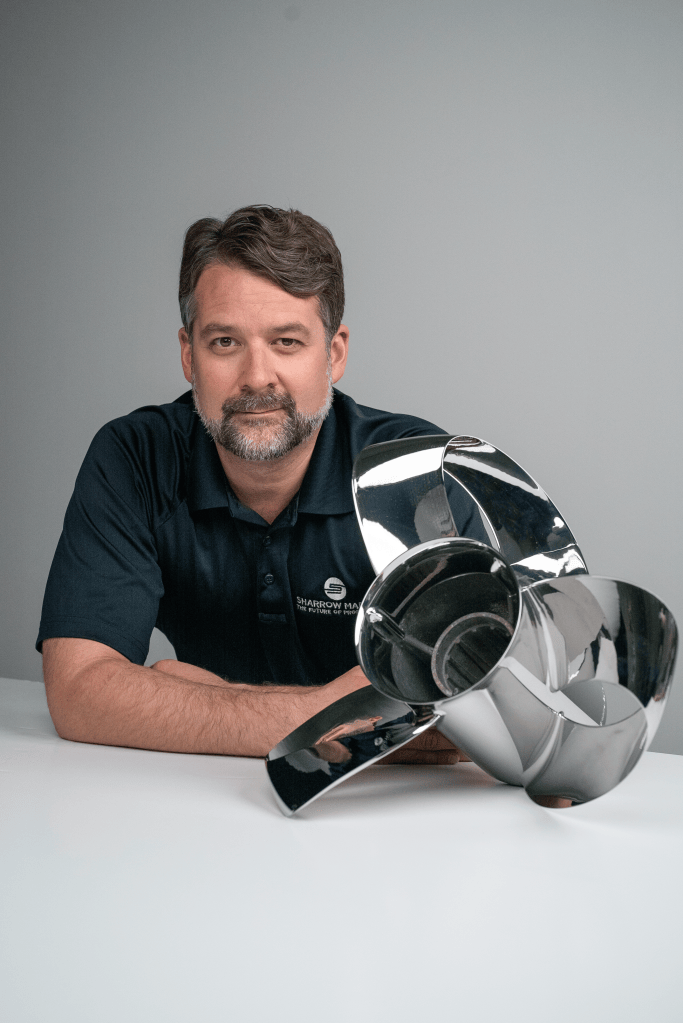
Sometimes taking a big swing leaves an even bigger impression. That’s what happened when this year’s EPIC Award judges learned what Sharrow Marine had been up to this past year.
“Sharrow Marine actually collaborated with Ford Motor Company,” Goldsmith says. “And working in a collaborative incubator with Ford, they completely redid the way that they manufacture molds. They’re using sandcasting now, which cut their time to create a mold significantly. The fact that this marine propeller company did that, I hope it inspires others to go ask the question. Even if they get turned down, if you see that Sharrow approached Ford, perhaps someone will consider contacting a giant in their own sector.”
The partnership with Ford involved teams working together for nine months to adapt and validate the new manufacturing approach capable of supporting high-volume production, taking production lead times from 130 days to approximately two weeks. And that’s not all the Sharrow team achieved this past year. They also launched the AX propeller, which is the first in the company’s portfolio designed specifically for the 6- to 30-hp outboard segment. The move expands access to Sharrow’s technology for more anglers and boaters.
In addition, Sharrow earned a Phase I Small Business Innovation Research contract from the U.S. Navy to develop advanced propulsion solutions for defense applications. All of this was at the same time the company created a strategic partnership with CWR Wholesale Distribution, significantly expanding the availability of Sharrow products across North American and international markets.
NeboFleet
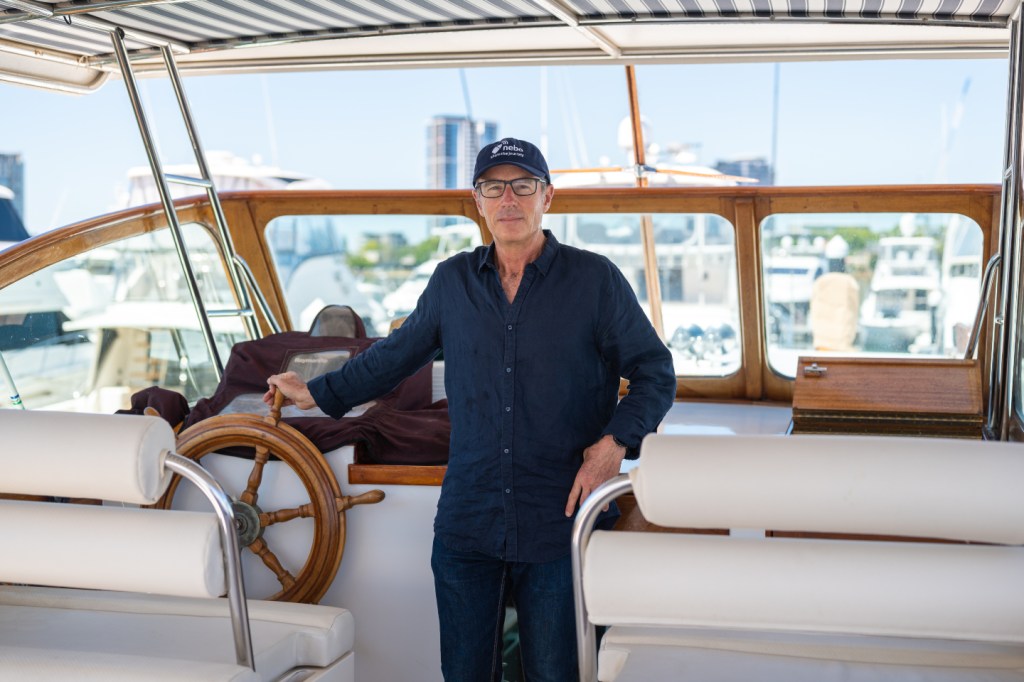
NeboFleet is focusing on making the boating experience better for newcomers, renters and first-time club members. The company’s technology is in use with fleets, such as boat clubs, charter companies and rental outfits. This past year, NeboFleet took its real-time vessel tracking, automated logs and other technology to a new level, moving it beyond the operator’s dash and into the hands of the people on the boats.
For instance, a boater can scan a QR code at the dock or on board, and they automatically can access information they need to have a better boating experience. This information includes restricted areas to help keep new boaters out of marine reserves and seagrass beds with a boundary they can actually see. There also are points of interest, such as cafes, landmarks and waterfront businesses. And back at the dock, geofence alerts let dock staff and crew know when a boat is coming back, making for calmer docking scenarios and safer handovers. The technology is also intuitive enough to elevate dockside safety briefings.
In order to achieve these improvements, NeboFleet put its recreational app — a product that still sells well — into maintenance mode and instead focused on creating the guest-facing fleet layer. The trade-off worked, with the clearest signal of success being retention. NeboFleet says the only fleet customers it has ever lost are ones who closed their doors. Not one customer has left for a competitor, while operators have switched to NeboFleet from other providers. The company reports annual growth of 30% in the number of fleets now live on the platform.
This article first appeared in the November 2026 issue of Soundings Trade Only.