The U.S. recreational boating industry drives $230 billion in economic activity each year, supports 36,000-plus businesses and more than 800,000 jobs, and proudly produces 95% of its boats domestically. Our industry is a perfect example of how small business is leading maritime innovation for the global markets our products serve.
As we navigate emerging technological, environmental and regulatory developments, our industry is rising to the challenge. We are ensuring that the industry remains harmonized, sustainable and resilient through member-led projects and cooperation.
As an industry, we’ve had a history of working together to drive meaningful innovation while managing global marine regulations. For example, we’ve pioneered technology to quantify greenhouse gas emissions, published many industry-led standards, investigated and approved next-generation biofuels, developed emissions factors for boatbuilding, and led critical research that helps maintain global harmonization. These projects, and many others, required global partnerships among industry associations and marine manufacturers.
Although boats represent less than 0.7% and 0.4% of transportation carbon-dioxide emissions in the United States and Europe, respectively, everyone must do their part to further reduce emissions and improve efficiency. Through the International Council of Marine Industry Associations and in close partnership with manufacturers, we were able to launch comprehensive research and the Propelling our Future initiative to guide policy, investment and innovation across the industry.
The initiative debuted with the release of ICOMIA’s Pathways to Propulsion Decarbonization global research report, developed with Ricardo PLC. It affirmed that further reductions in emissions and improvements in efficiency for the recreational marine industry won’t come from one technology solution, but instead from a portfolio of technologies attuned to diverse boating needs.
No ‘One Size Fits All’ Solution
Boating use cases — and the vessels themselves — vary widely. To serve them responsibly, the data shows we must embrace a technology-neutral, use-case–driven approach. Our approach must include strategic maritime fuels, which are ready-made for the fleet of 30 million boats on the water today worldwide, without reducing performance or range. These fuels reduce emissions without altering boats, engines or fueling infrastructure.
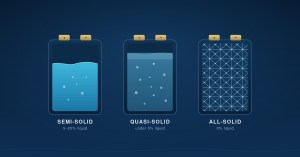
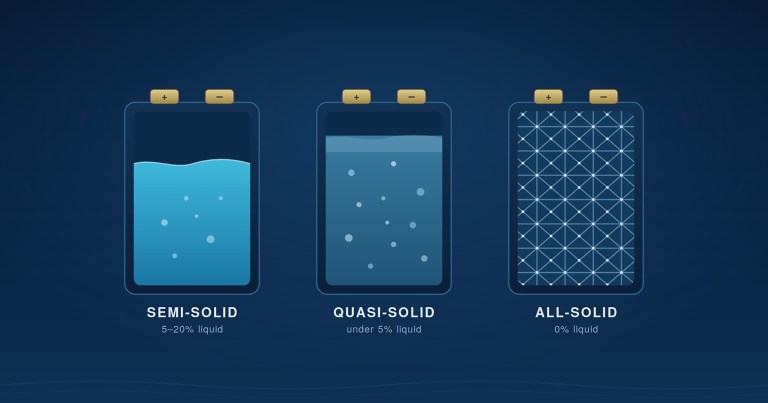
We’ll also need hydrogen. It’s an evolving option, with high promise as production and logistics mature. Electric propulsion is already viable in select applications and is poised to expand as battery density improves. Hybrid systems are ideal for extended range and duration, combining electric efficiency with liquid-fuel resilience.
Advanced hull designs and energy-management systems are also key. They increase vessel, engine and operational efficiencies. And life-cycle assessments will quantify the environmental performance of a boat through every phase of its life.
Embracing this thoughtful mix is the most pragmatic approach to safeguard performance and enjoyment while further reducing emissions.
From Concept to Reality
Across the industry, forward-looking initiatives are moving beyond research and policy into tangible, real-world progress. From live technology demonstrations to fueling pilot programs and groundbreaking global sustainability frameworks, these efforts showcase how manufacturers and associations are leading the charge to modernize boating.
In August, the National Marine Manufacturers Association partnered with Ilmor Marine to host the Michigan Boating Technology Briefing & Demonstration at Ilmor’s new marine technology and manufacturing facility in New Hudson, Mich. The event welcomed state and federal policy-makers, industry leaders and key stakeholders to experience the innovations shaping the future of recreational boating firsthand. The on-water demonstrations underscored how Michigan is positioning itself as a hub for advanced marine technologies, and will help to inform the development of the state’s maritime strategy.
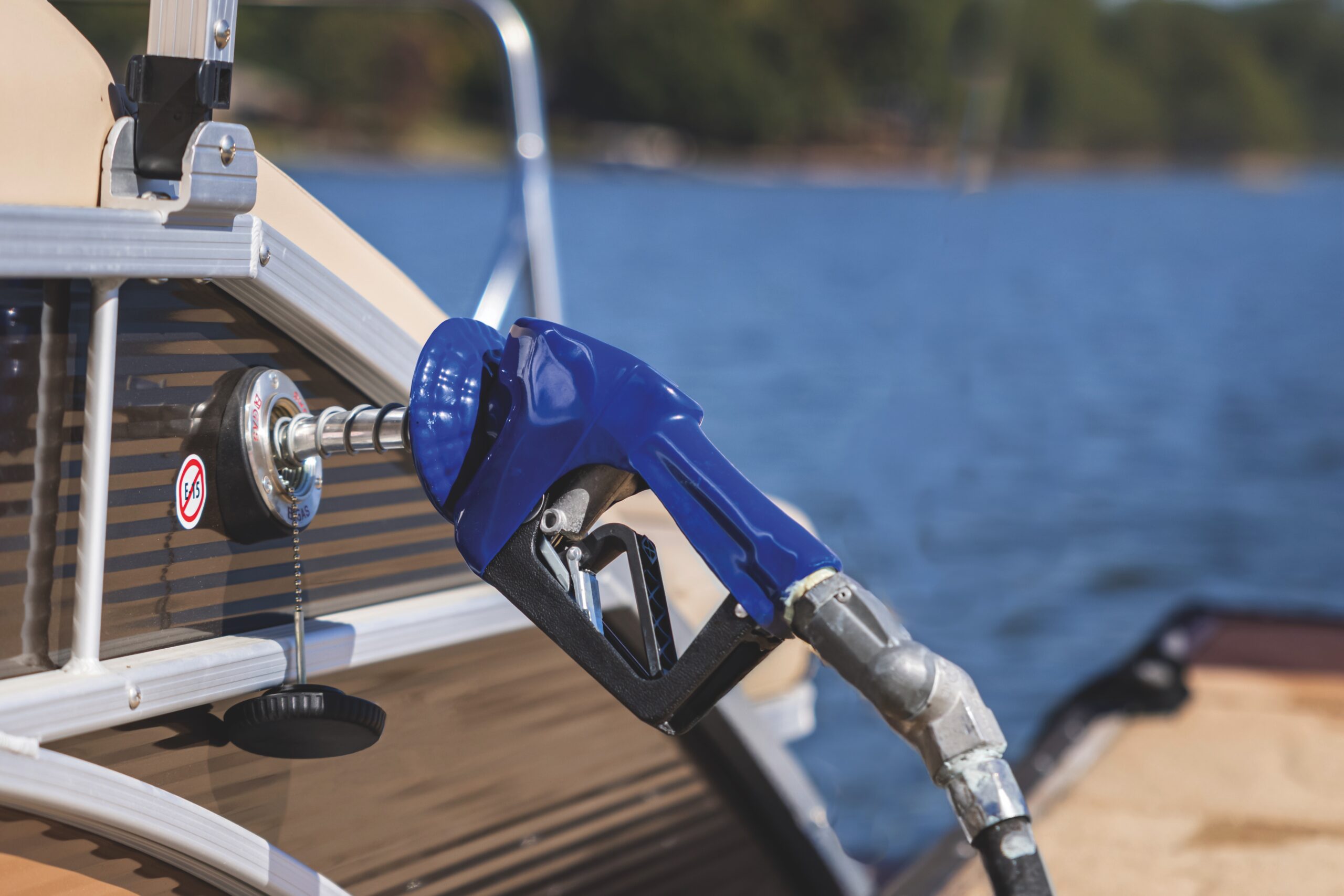
The NMMA also partnered with Suzuki Marine, Hyperfuels and LyondellBasell to pilot the first-ever strategic maritime fuel offering at St. Andrews Marina in Panama City, Fla. This real-world deployment helped refine methods for storing, distributing and marketing strategic marine fuels — taking key steps toward wider rollout.
Last January at boot Düsseldorf, the NMMA joined ICOMIA and European Boating Industry to unveil plans for the first globally aligned recreational marine life-cycle assessment framework. It will cover raw materials, manufacturing, use, disposal and recycling. This pioneering effort builds on EBI’s Blue Boat Horizon project and ICOMIA’s Propelling Our Future work, setting the stage for consistent, worldwide environmental measurement. Through a task force of global stakeholders, the framework will include methodology, inventory tools, educational materials and rollout planning — empowering manufacturers to measure, self-regulate and clearly communicate environmental performance.
Together, these efforts illustrate how the industry is not waiting on mandates, but instead taking proactive steps to innovate, self-regulate and set global standards. By turning ideas into action, we’re proving that recreational boating can be a source of enjoyment and a model of environmental responsibility. We’re laying the groundwork for long-term resilience.
Work around Propelling Our Future has helped align policy advances to help scale clean propulsion and infrastructure; public-private partnerships, including collaboration with the U.S. Department of Energy on a maritime action plan that acknowledges recreational boating’s contributions; the Sustainable Maritime Fuel Grand Challenge to modernize marina infrastructure; expanded research in fuel technologies, hydrogen and battery improvements; consumer education campaigns that promote alternative fuels and technologies; and real-world pilot programs including the strategic marine fuels launch at St. Andrews Marina in Florida
This is about more than reducing emissions. It’s about building a marine industry that thrives amid global environmental, economic and regulatory shifts. To that end, we’re advancing technology-neutral public policy that encourages a spectrum of propulsion options; continued expansion of strategic marine fuels availability through targeted pilots and education; safety and performance standards for electric and hybrid marine systems; and ongoing life-cycle research and assessment deployment to guide design, manufacturing and end-of-life strategies.
By integrating propulsion innovation with life-cycle accountability, our industry is setting a new standard, one where resilient boating is the norm, not the exception.Our work is already underway in leadership, policy, research, pilot programs and global collaboration. And with continued partnership across associations, manufacturers, governments and consumers, we’re charting a future where boating remains vibrant, sustainable and enduring. Learn more at PropellingOurFuture.com.
Jeff Wasil is vice president, environmental compliance and marine technology, for the National Marine Manufacturers Association.