Early this year, Eric Braitmayer, president and CEO of Imtra Corp. in New Bedford, Mass., held a digital town hall meeting for the company’s 74 employees. “I announced, ‘I have some great news to share,’ ” he recalls. “Everyone on this call is now an owner of Imtra.”
Braitmayer and Imtra’s vice president of sales, Chip Farnham, and their families had decided to sell the business in an employee stock ownership plan. It took a minute for the idea of being part owners to set in among the company’s workers. “There were ear-to-ear smiles, and some people were just kind of shocked,” says Christopher Barnes, Southeast sales manager for Imtra. “There certainly weren’t any negative looks.”
Essentially, an ESOP is a plan that lets employees build their shares in the company as their tenure extends. It lets the leadership team provide a competitive return for the shareholders without the challenges that come with a change in ownership. In the case of Imtra, the ESOP lets Braitmayer and Farnham stay in place to drive the company forward, while making everyone else part owners of the company, from the workers in shipping or customer service to the design engineers and manufacturing personnel.
“We have a ton of people who worked with us for a long time and wanted to recognize them for making a lifetime commitment to Imtra,” Braitmayer says. “We can look at what’s important to the employees. That’s what’s so great about it as a vehicle.”
Family History
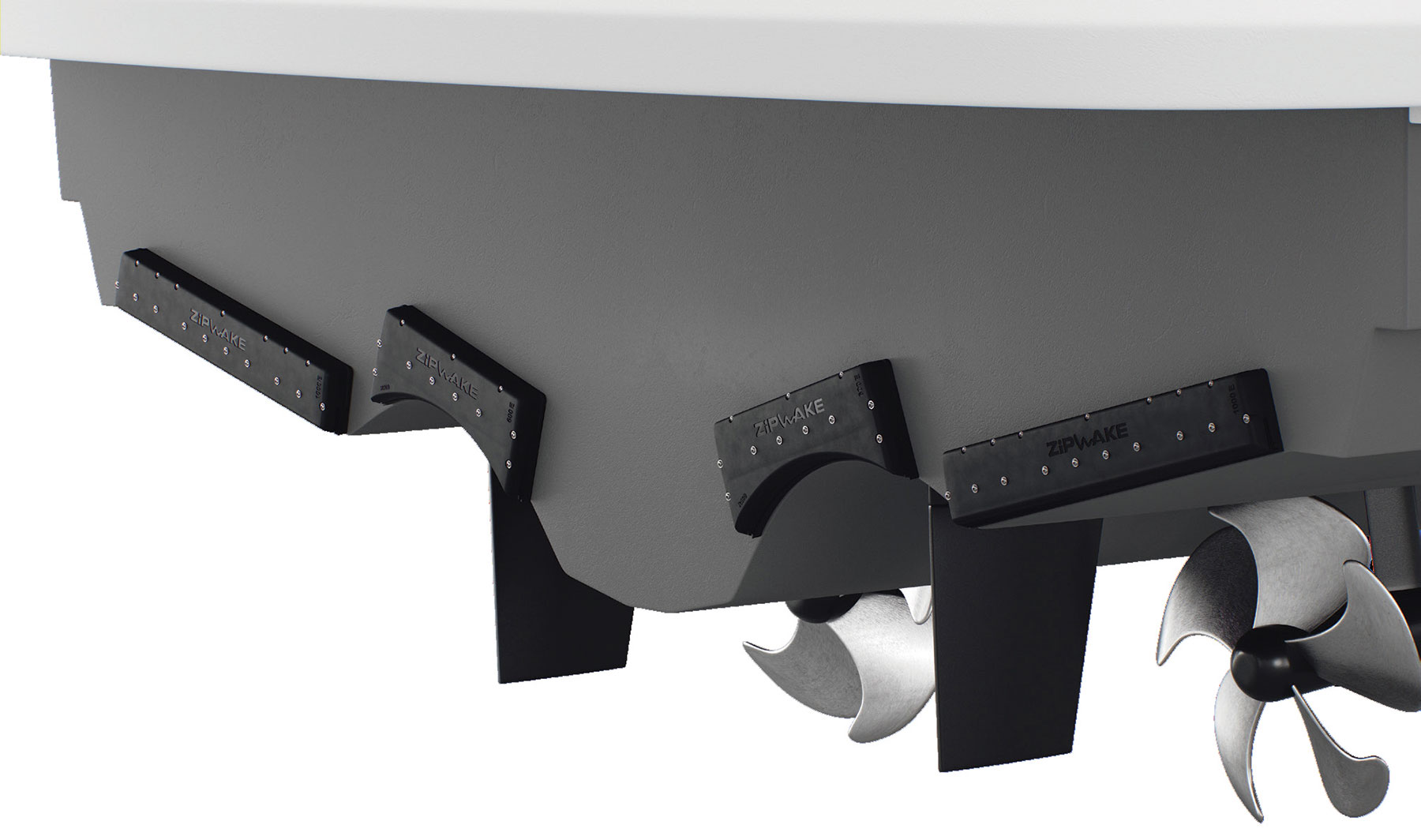
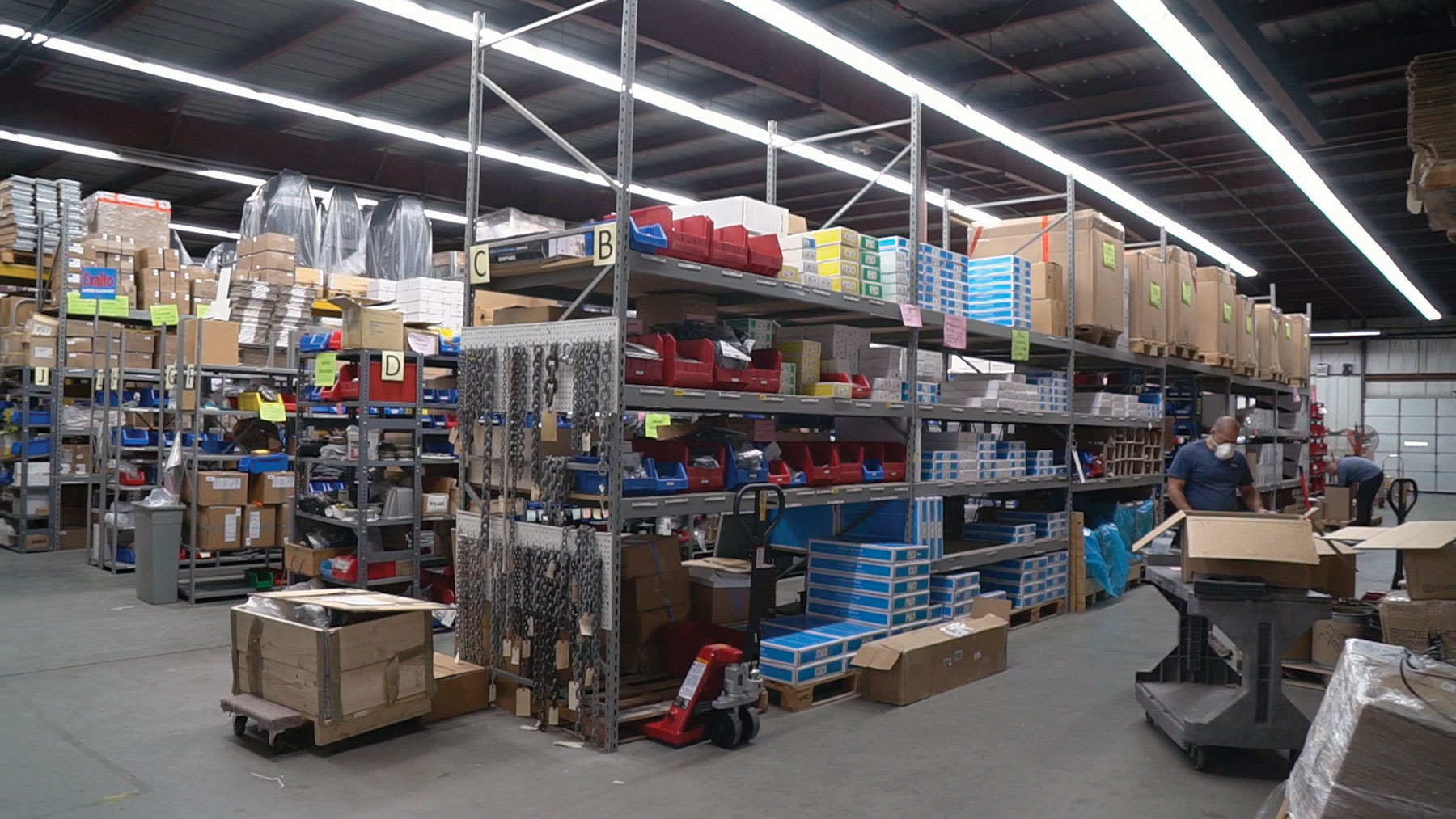
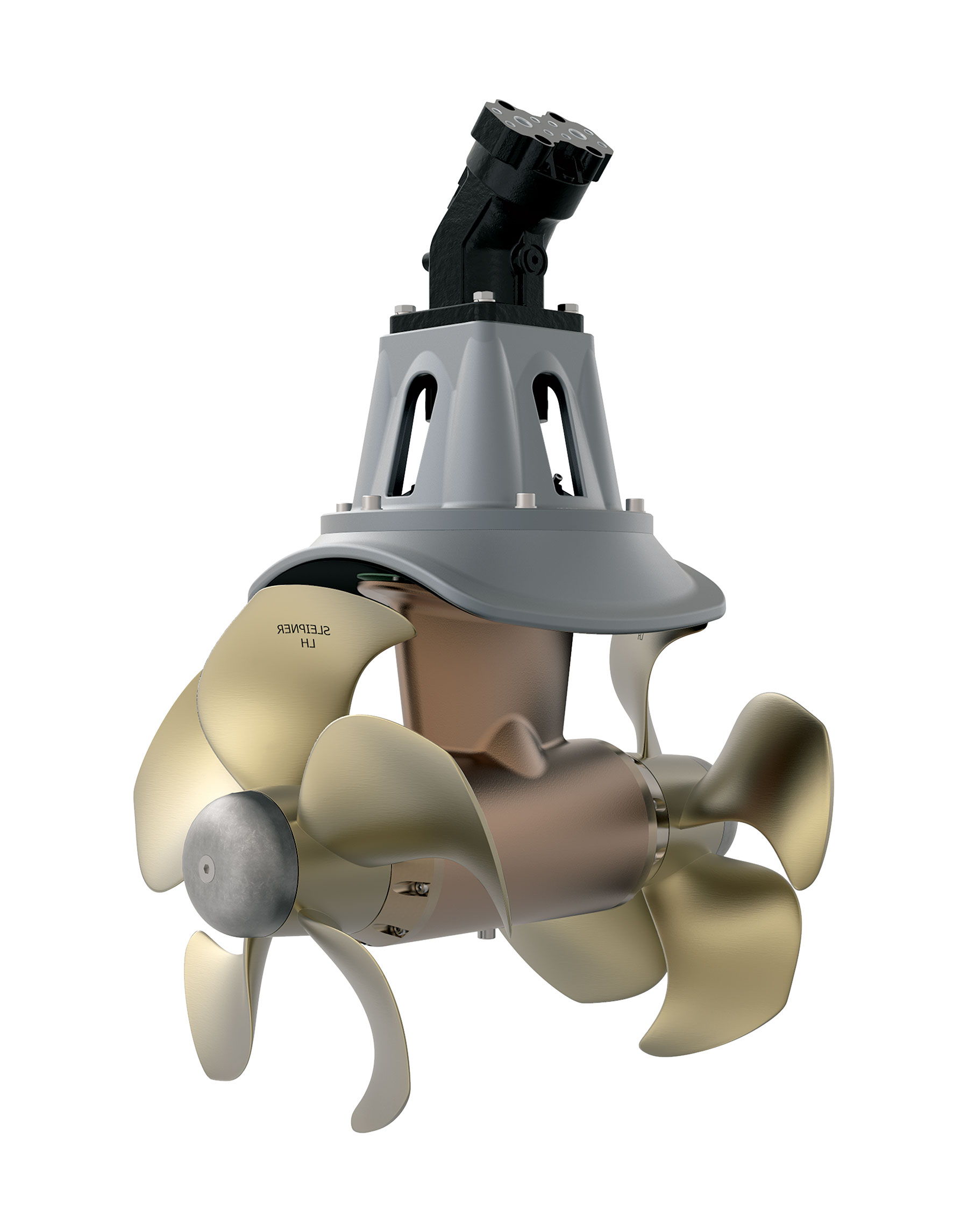
Imtra is known for LED lighting from brands such as Lumishore and BCM, Sleipner thrusters and stabilizers, windlasses from Lofrans and Muir, Zipwake interceptors and other products for recreational and commercial marine use. The company also supplies the recreational vehicle and energy industries from its 38,000-square-foot headquarters. Imtra doesn’t release sales figures but reported that in 2021, the company served 2,500 trade customers and shipped more than 530,000 total units with approximately 5,000 unique items. Imtra stocks more than 4,000 items in its warehouse.
Farnham’s grandfather William H. Farnham Sr. started the company 70 years ago, and his father, William Jr. (both went by Bill) ran Imtra for decades. Braitmayer joined the firm in 1988, starting at the customer-service desk. His father, Jack, sold his business and became an investor and board member at Imtra. The two families made up the majority of the shareholders and decided that the ESOP was the way to go for the company.
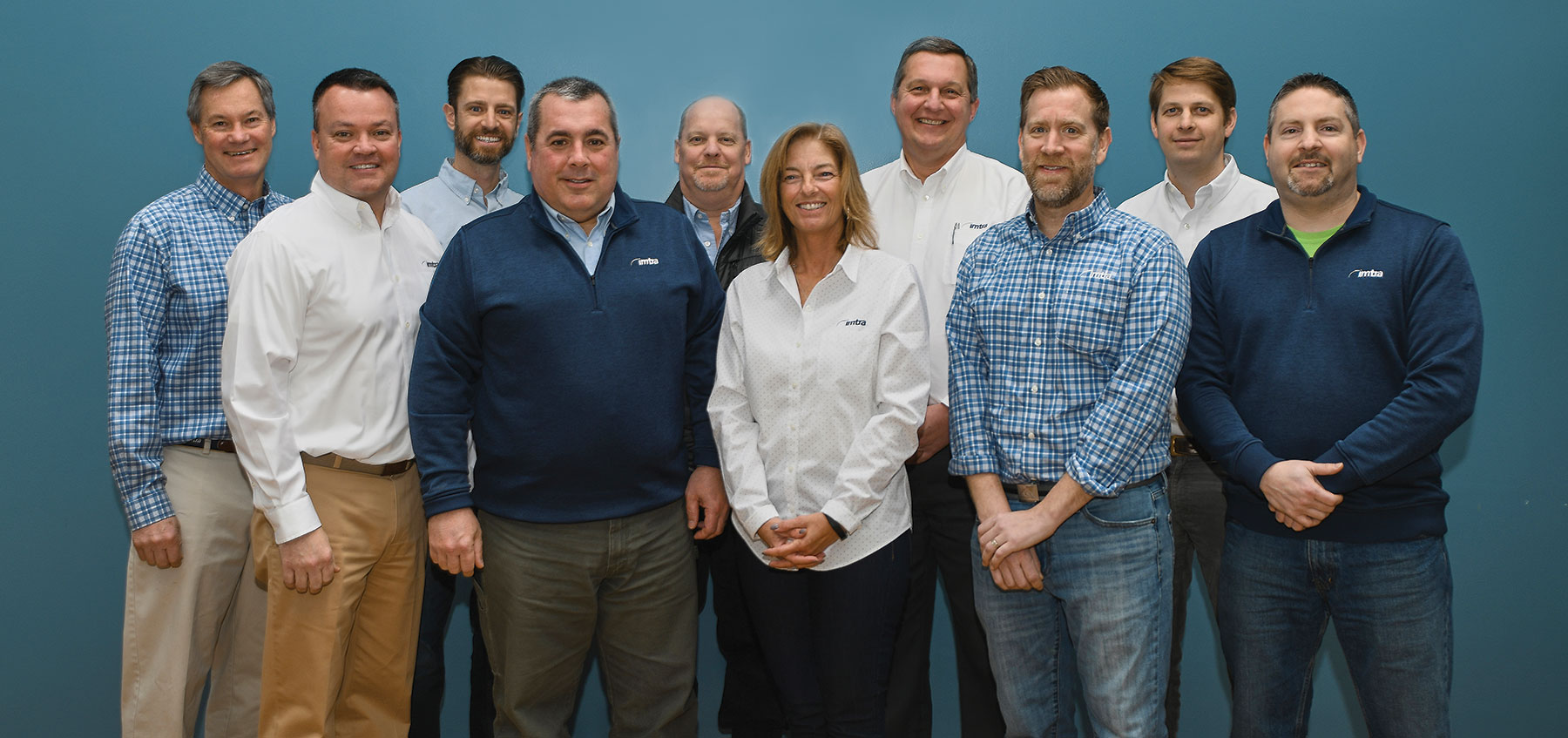
“We had been trying to figure out our long-term ownership plan,” says Braitmayer, who is 55. Chip Farnham is 60. They consulted with Imtra’s 10-person leadership team, but for the majority of the employees, the first time they heard about the plan was during the town hall meeting.
Braitmayer says that as far back as a decade ago, he and Farnham were looking ahead. Braitmayer was a majority shareholder, and he considered buying the other half of the business. “Then, when you’re suddenly in your mid-50s, 65 seems like it’s right around the corner,” he says. “The business was growing, and I started asking, ‘What other opportunities do we have?’ We feel we have a really awesome culture and a formula we didn’t want to jeopardize.”
A Growing Trend
In addition to being at Imtra’s helm, Braitmayer is a member of a CEO roundtable network that meets once a month. Paul O’Reilly, president and CEO of the Newport Restaurant Group, is also a member. His organization, whose subsidiary Newport Exhibition Group runs the Newport International Boat Show in Rhode Island, had been a partial ESOP for many years and recently became 100 percent employee-owned. He told Braitmayer about the concept.
“I started spending quite a bit of time investigating this in late 2019 and 2020, talking with lawyers, consultants, and I had an appointment to continue the conversations on the morning of March 13, 2020,” he says. The Covid-19 pandemic forced Imtra management to put the plans on hold when most companies in the boating industry hunkered down to keep employees safe.
Once people realized that boating was one of the few activities families could safely enjoy, Imtra’s employees returned to work. Braitmayer started looking more seriously at an ESOP. In the middle of 2021, he reached out to Bill Goggins, CEO of Harken, who had sold the sailboat rigging company to his employees in 2019.
In 2017, North River Boats, a builder of aluminum boats in Douglas County, Ore., sold 33 percent of the company to employees in a plan retroactive to January 2016. The first vesting took place in 2018, when more than 100 employees qualified for the program. Two years earlier, SeaDek Marine Products, which makes non-slip decking and mats in Rockledge, Fla., sold to its workforce of more than 70 in an ESOP.
By the summer of 2021, the decision was made to sell Imtra to the workforce. Braitmayer and the leadership team chose partners to look at the books and structure the transfer.
A True Team
Colby Chevalier is director of product management at Imtra. He’s 40 years old and has been with the company since 2005. After starting on the order desk, he spent 10 years in the lighting department. He is part of the management team and knew that Braitmayer and Farnham were looking at ways to secure the company’s future. “Both Eric and Chip were thinking about where the ownership was headed, and the beauty in this is that we get to retain them and that all of us in the leadership team continue on,” Chevalier says.
From Braitmayer and Farnham down through the Imtra ranks, there was already a sense of pride and teamwork. Many team members had been there for decades. For Chevalier, whose three kids are younger than 11, the ESOP brings a sense of stability. “There’s very little turnover, and there’s a reason for that,” he says. “The fact that people can have that ownership mentality and have it as part of a return, it’s super-rewarding for everyone.”
While large conglomerates such as Brunswick, Garmin and Lippert are purchasing companies the size of Imtra, the employees at Imtra now know they don’t have to worry about being bought. “Consolidation might be the right path for other companies. I think that for Imtra, to keep that culture is so important,” Chevalier says. “The smaller company culture we have is the special sauce that Imtra provides. I knew that would be diluted in a bigger organization.”
Barnes has worked at larger marine companies, including Cummins and Scout Boats, and says he saw the difference in the culture at Imtra right away. A good example is that the sales personnel are not compensated through commissions. He makes an annual salary, and the entire sales team receives an annual bonus based on how the company does. “You read Trade Only, and you see the Lipperts and Brunswicks and Safe Harbor Marinas of the world buying things up,” he says. “At Imtra, the culture is good, and the ownership wanted to protect the future of the company.”
For similar-size companies looking at the future, Braitmayer strongly recommends considering an ESOP. “Before you decide to just sell your business to a private-equity firm because it seems easier,” he says, “if you feel you have a team in place to carry the company forward beyond the current leadership, you’d be doing yourselves a disservice if you don’t consider it.”
Braitmayer says it may take a year or two for some employees to fully grasp the benefits of the ESOP, but the overall positive feeling at the company appears stronger than ever. “We have a lot of key contributors, and I already feel that the next-generation team is fully on board now,” he says.
Barnes adds: “We already had a voice, which is nice, and they listen to it. Now that we’re shareholders, everyone has a voice.”
This article was originally published in the March 2022 issue.