The marine aftermarket moves fast. Retailers juggle inventory across multiple sales channels and shipping platforms. Customers increasingly expect overnight delivery of everything from bilge pumps to electronics, while economic conditions — tariffs, prices and supply chains — can change overnight.
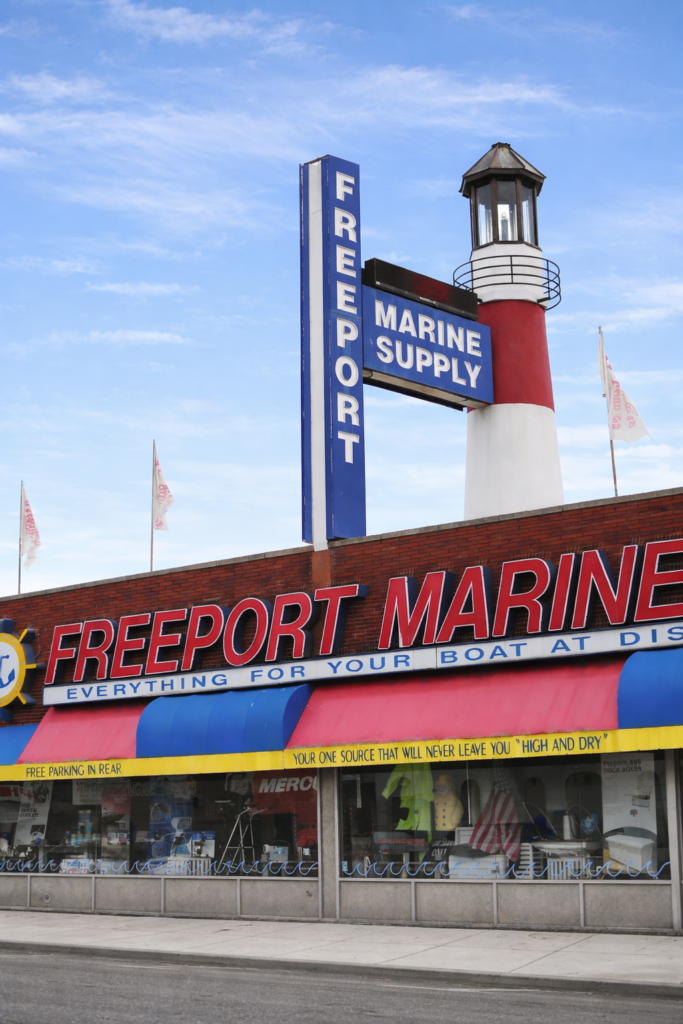
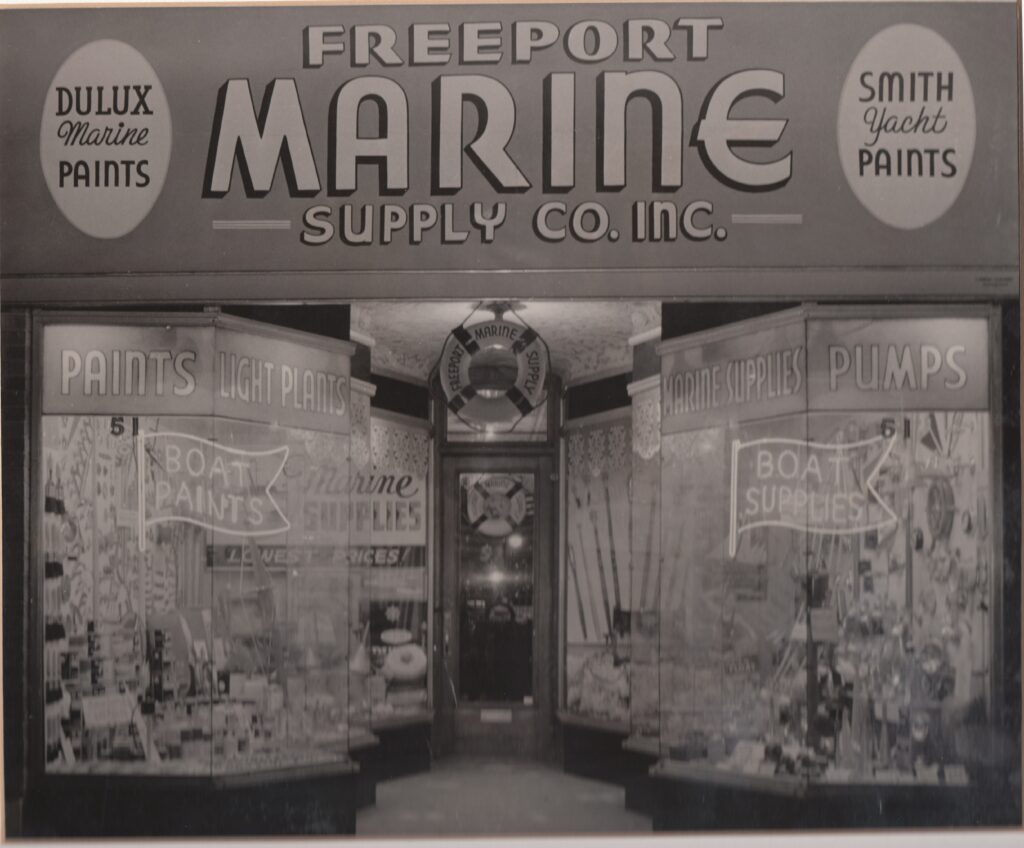
Justin Ross has spent his career navigating that volatility at Freeport Marine Supply on New York’s Long Island.Founded in 1939 by Ross’ grandfather, Freeport Marine Supply grew from a small storefront serving local boaters into a multichannel equipment supplier that combines deep inventory, online sales and technical guidance. Today, Freeport Marine Supply employs 15 people and generates more than half its revenue from online sales. “My grandfather, Arthur Ross, was working at a hardware store in New York City and noticed a lot of boaters coming in from Long Island looking for parts,” Ross says. “He opened up this store to fulfill that need.”
Ross’ father, Irwin, took over operations in the 1970s. Justin, who graduated from college in 2004, assumed leadership about a decade ago. “Customers usually aren’t buying a product. They’re solving a problem,” says Ross, who is 43. “If we’re taking care of the customer, everything else usually works out.”
Inventory Drives the Aftermarket
Across the marine industry, independent retailers like Ross are adapting to a marketplace shaped by e-commerce, shifting supply chains and rising competition from low-cost imports. The right mix and volume of inventory remains the core business challenge. “It’s hard to show people how much inventory we have,” Ross says. “But we have to have it to fulfill immediate needs. Especially in season, there can be no delays. Not making a shipment means losing revenue that won’t come back.”
Ross says a stable workforce helps make that efficiency possible. “I have a wonderful crew,” he says, “and a business is only as good as its people. We do our best to retain them, too.”
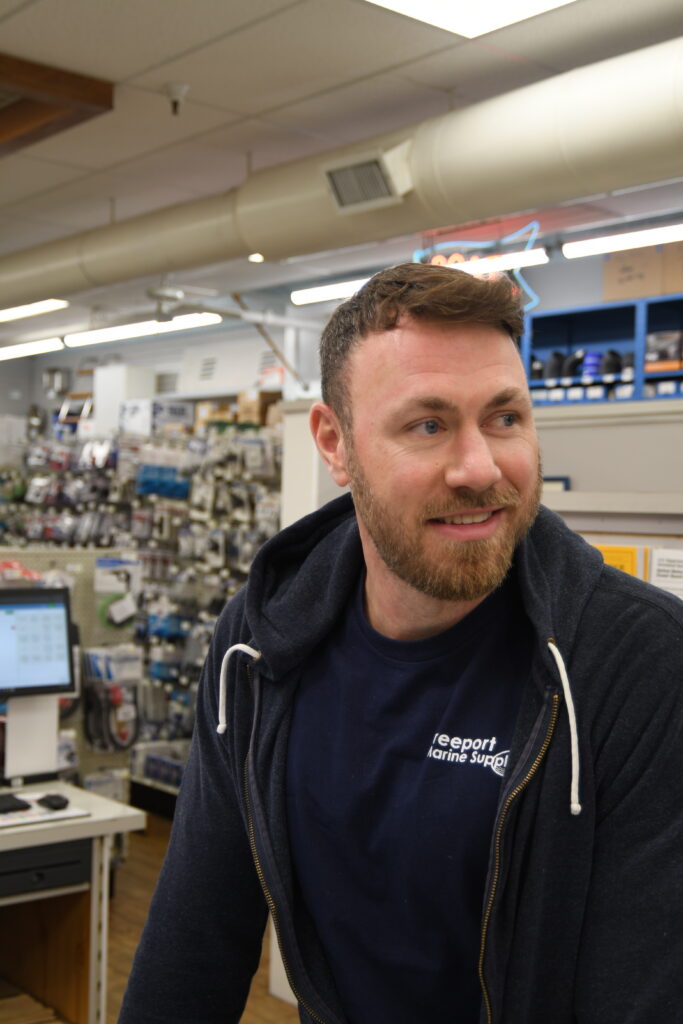
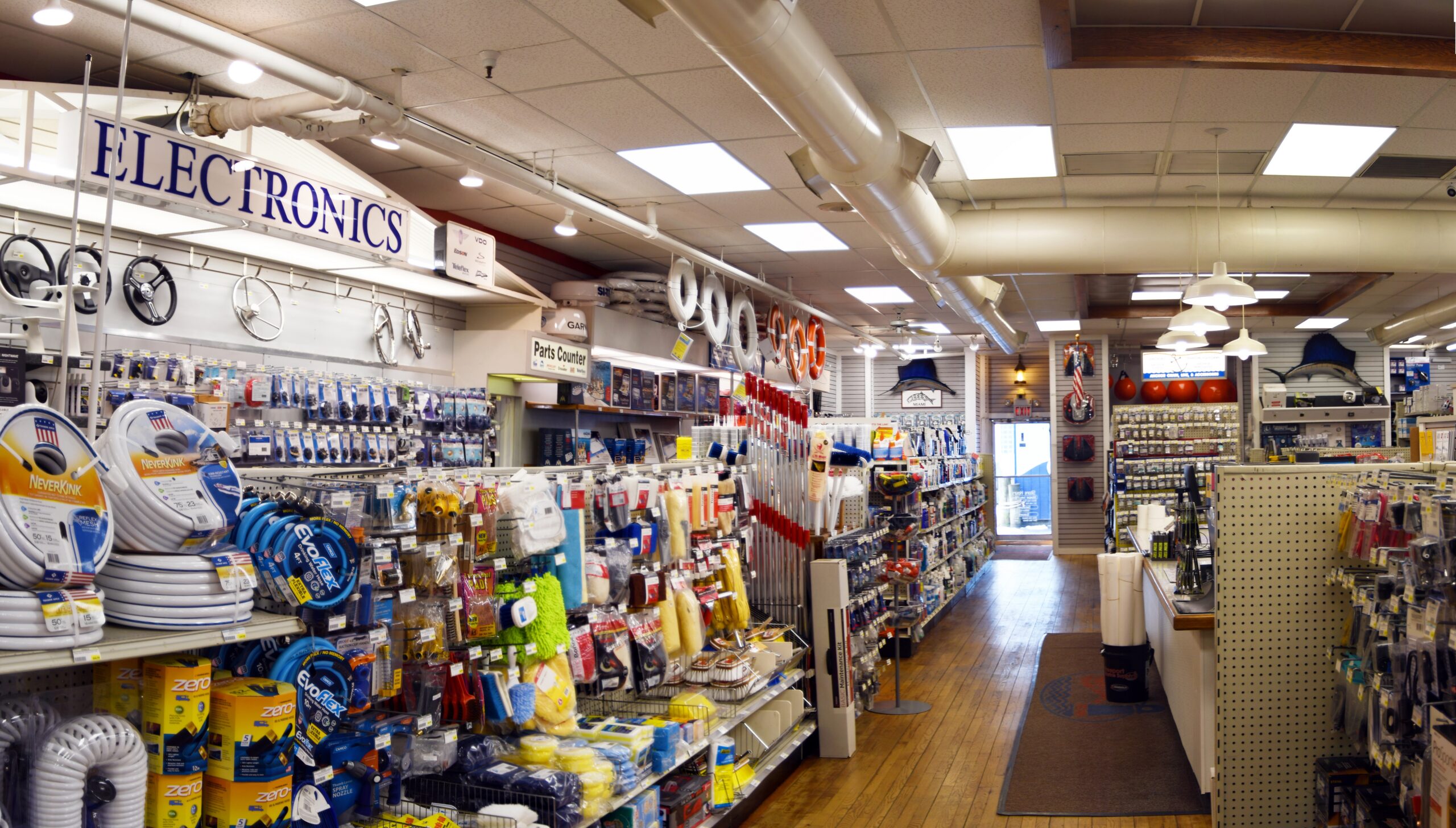
The company uses nearly every available space it has for inventory storage: basements beneath the retail floor, attics above and adjacent storerooms. A shipping department in the rear of the building handles the steady flow of online orders. Five years ago, the company upgraded its enterprise resource planning system, helping accelerate e-commerce. Two years ago, it switched online sales platforms, further improving its operations. “I’m not ready to close down our brick-and-mortar store, which is still generating a good amount of revenue,” Ross says. “But online is definitely taking off.”
Online demand has also pushed the company into new categories, including sailboat equipment. Hot product categories include electronics, night-vision cameras and stabilizer systems from such companies as Sleipner, Zipwake, Dometic, Lenco and Bennett. AIS and AIS/VHF communications solutions such as Em-Track products are popular. The newest technology enters the market through original equipment installations before reaching the aftermarket.
Independent retailers like Freeport Marine face competition from national chains, but Ross says independents still have an edge. “National chains have advantages in size, distribution and brand recognition,” he says. “But as an independent operator, our advantage is agility. We can make meaningful operational changes in days, not quarters. We can adjust pricing quickly, bring in niche SKUs and respond to emerging demand without navigating layers of corporate approval.”
Local roots also remain a competitive advantage, he says. The business has built deep generational ties in its community. “We’ve been in the same location in Freeport for 87 years,” he says. “We’re members of our local Chamber of Commerce and support Power Squadrons, fishing and boating clubs. I had somebody come in yesterday. He said, ‘I’ve been shopping with your grandfather, I was shopping with your father, and I’ve been shopping with you.’ ”
Across the Range of Boaters
Ross aims to serve boaters across the ownership spectrum, from first-time buyers to owners maintaining older boats. “One major driver of aftermarket growth is the aging boat fleet,” he says. “Boats are staying in service longer, which naturally increases demand for replacement parts, upgrades and retrofits.”
At the same time, rising prices are pushing more owners to upgrade existing boats. “The price of new boats has increased to the point that many boaters would prefer to retrofit an older boat rather than buy a new one,” Ross says.
For newcomers, the store’s role often begins with education. Staff members frequently help customers document key details about their boats so future parts purchases are easier. “A new boater may not even know exactly what engine they have,” Ross says. “And it’s our job to help them get that information. We’ll say, ‘We can keep this on file for you.’ When you need filters, thermostats or other tune-up parts, that’s important information to have.”
Challenge of Low-Cost Imports
One growing concern is the rise of low-priced products sold directly through global e-commerce platforms. Sites such as Temu and Amazon make it easy for consumers to find products that resemble established marine brands but sell at a fraction of the price. “Most customers understand you get what you pay for,” Ross says. “Part of our job is helping them understand the difference between a $10 and $50 bilge pump, especially when failure could mean losing your boat during a storm.”
Education, he says, is the best response: “I don’t think there’s much we can do other than educate customers about the risks involved.”
Selling online also exposes retailers to new competitive risks. Product listings reveal pricing, demand and inventory data that larger marketplaces can analyze. “If you have a website, your information is out there,” Ross says. “Your prices, your inventory, your descriptions, your pictures.”
Managing Supply Chains
Freeport Marine Supply buys 90% of its products directly from manufacturers, maintaining long-term relationships with vendors. The disruptions of recent years, from the pandemic to tariffs, reinforced the importance of diversified suppliers and disciplined inventory planning.“We intentionally carry deeper inventory entering peak season to protect against supply disruptions,” Ross says. “We’ve strengthened relationships across multiple suppliers and become more flexible in sourcing.”
Today, the company operates in what he describes as an omnichannel world. “People want a seamless experience,” he says. “They want to research on your website, come to the store and have the same experience, or buy online and return in the store.”
Tariffs and shifting trade policies continue to complicate planning, and artificial intelligence tools pose numerous possibilities, he says. “The changes from AI are coming sooner rather than later,” he says, citing potential impacts on retail operations, customer interaction and supply chains.
Still, Ross says the fundamentals of the aftermarket remain the same. “Our business is really about keeping people on the water,” he says. “Boats and technology change, but the need for reliable parts and knowledgeable support hasn’t changed in 80 years.”
This story originally appeared in the April 2026 issue of Soundings Trade Only.