
 Masterseargent - stock.adobe.com
Amid the pandemic-fueled chaos of 2020 and 2021, when demand for boats depleted inventory and the supply chain simply couldn’t keep up, two major questions began to surface. First: With record numbers of first-time boat buyers, were rapidly rising sales stealing business from the future? Second: How would those pandemic-era buyers, who paid drastically higher prices, respond when values for used boats plummeted?
Today, we know the answer to question two. Boat buyers looking to trade up or to sell are shocked to find that they still owe more than their boat is worth. The first question, however, we’re still trying to answer. Buyers are harder to come by today, but the inability to close deals seems to be more about higher interest rates. With the dual pressures of underwater loans and interest rates, selling boats has become difficult again.
We see this pattern in the Marine Retailers Association of the Americas’ Pulse Report, which shows that new-boat retail trends turned negative. We see the same pattern in new- and used-boat inventory levels, which have remained on a steady climb. We hear this same pattern in the voices of our dealers, who say customers are harder to come by. We see this pattern with manufacturers, many of whom are shifting their focus to support retail pull through.
Many of you are living this reality, which came at us a lot faster than anyone expected. In hindsight, we should have seen it coming. We identified potential issues on the horizon as far back as 2020 and 2021. The data shows, however, that it’s been almost 20 months since the market began heading in the wrong direction.
That’s right. It was April 2022 when retail trends first turned negative, and they’ve only grown worse from there. It was also April 2022 when inventory levels began their long, slow rise to uncomfortable levels. Today, the Pulse Report suggests that dealers are more uncomfortable with their inventory than ever before, or at least since the Pulse Report first appeared in December 2013.
At nearly 15 dealer meetings that our team attended this year, retailers identified numerous business areas where they face uncertainty in the year ahead. Consumer interest. Workforce shortages. Inventory levels. Interest rates. And it’s an election year, just to name a few. All of this suggests to me that dealers all need one thing to help them succeed: scenario planning.
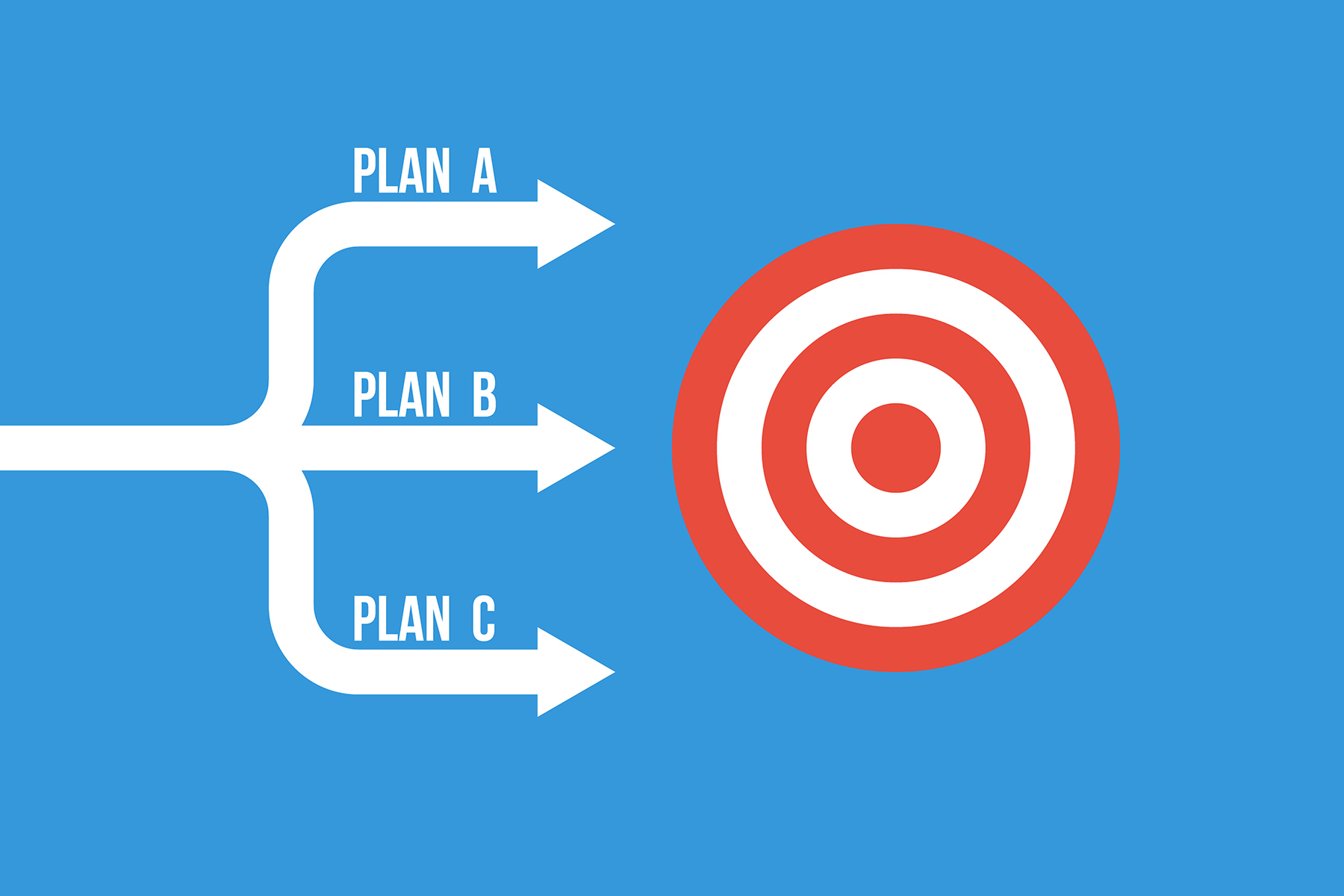
I learned about scenario planning during the Great Recession, when dealers who were performing well shared the practice. Scenario planning meant that they were creating A, B and C plans for each year. Their Plan A included whatever they most wanted to happen — the type of realistic yet somewhat aggressive budget you’d expect from a business owner. Their Plan B was prepared in the event that business softened more than they expected. Their Plan C covered scenarios where the business fell significantly short of goals.
Now, scenario planning isn’t an exercise just for the sake of planning. It is the forethought that you must give to an unpredictable market. Consider this: In one of the recent Pulse Reports, the MRAA asked dealers what obstacles were causing them the most frustration and hindering their dealership’s adaptability. The second-highest-scoring answer was “difficulty making decisions in a changing market.” That’s the beauty of scenario planning; it helps you do the hard work of thinking through different scenarios before you’re under pressure to close deals, hit your goals, lead your team and change with the marketplace.
In the environment we anticipate for 2024, dealerships will struggle with internal communications, employee morale, interdepartmental conflict, outdated processes, changing customer behaviors and financial stability. That is not the time to be trying to adapt a plan or a budget to stabilize your business. The time to create those plans for 2024, including plans for several different scenarios, is now, when you have time to think things through with a level head.
If you need support in building these plans, it’s available. The MRAA, in partnership with The Rawls Group, published “A Guide to ABC Scenario Planning: A Tool to Prepare Your Dealership for the Future in Uncertain Times.” This guide will walk you through the process and help you identify your path to success in 2024, no matter what the market throws at you.
As you get into the guide’s exercises — goal setting, identifying issues that will influence your business, and building out plans to overcome them — you will need the latest insights, strategies and best practices. Consider the MRAA a part of your team in gathering that information. The MRAA has countless resources — online courses, publications, data and trend identification, process maps, job descriptions and so much more — to help you strengthen your dealership. Please call on us or visit mraa.com to find the resources you need.
And MRAA’s Dealer Week takes place this month. If you’re reading this early enough, you still have time to attend the entire event, which is designed to set you up for success in 2024 with timely, relevant educational courses. If you can’t make it, check out Dealer Week Online, which has the exact same courses as the in-person event, available through your computer until the end of February.
You can determine how best to take advantage of these opportunities, but please use the MRAA to help you navigate the uncertainty ahead. Helping you is why we exist.
This article was originally published in the December 2023 issue.