 Wildestanimal - stock.adobe.com
As 2023 winds down, recreational boating and fishing continue to be the backbone of America’s outdoor recreation economy, driving economic growth and providing countless jobs. However, we find ourselves in a period of transition, marked by shifting market dynamics, economic uncertainties and a focus on innovation.
According to the U.S. Bureau of Economic Analysis, recreational boating and fishing have consistently held their position as the leading contributors to the $862 billion outdoor recreation economy, accounting for 1.9% of the U.S. gross domestic product. During the past few years, we’ve witnessed an unprecedented surge in consumer interest and spending on boating. The Covid-19 pandemic redefined how people lived, worked and played, resulting in a surge in outdoor engagement. People found solace and enjoyment in the great outdoors, with boating and fishing at the forefront of this trend.
But with any rapid surge, a correction is inevitable. In 2023, our industry entered a new phase characterized by changing market dynamics and economic headwinds. Historically, new-boat sales have been closely tied to consumer confidence, and there is no doubt that consumer wallets are stretched thin from rising interest rates, the return of student loan payments, and inflation. There’s no doubt that these factors collectively hurt boat sales.
We are also seeing challenges to the remote and hybrid work arrangements that benefited outdoor recreation during the pandemic. As other forms of entertainment and travel compete for consumers’ time and resources, our industry is feeling the pinch.
Heading into a new year, we are trending toward an oversupply of small, entry-level boats, partly driven by a lack of consumer credit. This oversupply has been exacerbated by the lag in our industry compared with the RV industry, which is already grappling with a significant oversupply of recreational vehicles. As a result, marine dealers have adopted a more conservative posture.
In this landscape, total new-boat unit sales for 2023 are estimated to be down compared with 2022, indicating that momentum is leveling off. Some boat types are faring better than others, with freshwater fishing boats, pontoon segments and smaller fiberglass models facing the most impact. In contrast, larger boats and personal watercraft continue to show relative resilience.
Sales of preowned boats, which often serve as an entry point for first-time buyers, are also down, by an estimated 10%, this year, further underscoring the challenge of rising interest rates in the entry-level market.
In this competitive landscape, our industry must adapt. To this end, the National Marine Manufacturers Association, in collaboration with the Marine Retailers Association of the Americas, has been working on refining the Discover Boating strategy to ensure the continued growth and success of our industry.
Discover Boating centers on the fact that 85 million Americans engage in boating each year, driven by their desire for diverse outdoor experiences. Our industry has an opportunity to expand its market share and reach beyond the current 16% diversity share, moving closer to the U.S. national average of 40%. We understand that boaters come from diverse backgrounds. The emotional return on investment derived from boating appeals to younger adults who prioritize experiences. Communicating this value forms the core of our Discover Boating work.
Our year-round, omnichannel marketing strategy includes the “See You Out Here” campaign, and full integration of NMMA’s boat shows under the Discover Boating brand. In 2023, this strategy achieved remarkable results, generating more than 3.6 billion impressions and a record $30 million in marketing value. This translates to reaching more people, connecting manufacturers and dealers with potential buyers, and delivering a substantial return on industry investment.
While Discover Boating is focused on expanding the market and consumer engagement, advocacy also plays a critical role in ensuring the growth and success of our industry. The NMMA has been advocating for the industry’s interests on the state, federal and international levels.
The industry has faced challenges related to trade, including the impact of Section 301 tariffs on marine products during the Trump and Biden administrations, costing consumers and member businesses tens of millions of dollars. The NMMA is pushing for the reopening of the exclusion process and the removal of these tariffs.
In addition, the industry’s trade relationship with Europe has faced uncertainties, with retaliatory tariffs on American-produced boats. While efforts have been made to repeal these tariffs, there is ongoing concern about their potential return and the impact on our domestic market. Further, the U.S. Department of Commerce is investigating a petition to impose antidumping and countervailing duties on imported aluminum extrusions from several countries, a move that would affect our members and suppliers.
The NMMA’s top federal priority in 2023 revolved around attempts by the National Oceanic and Atmospheric Administration to expand vessel speed restrictions along most of the Atlantic Seaboard. Under this proposal, boats 35 feet and larger would be limited to a speed of 10 knots, posing severe operational and safety challenges for boaters and businesses.
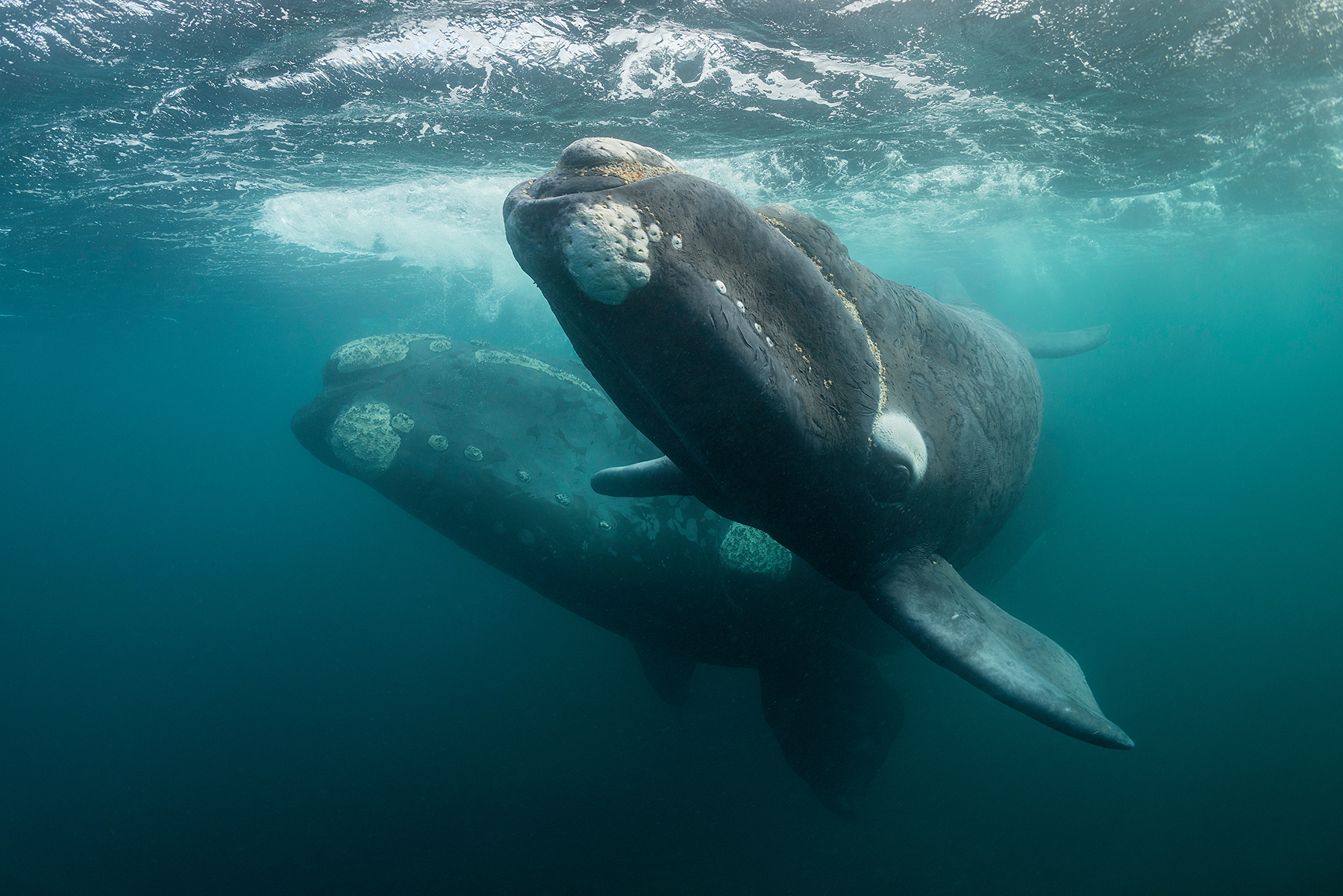
As an industry long committed to conservation, we understand the importance of protecting marine life, particularly the magnificent whales that grace our waters. While encounters between boaters and whales are exceedingly rare, we share a passion for safeguarding these incredible creatures.
To address the issue of vessel strikes and whale protection, we have been working with a broad industry coalition to introduce bipartisan, bicameral legislation to fund real-time monitoring and technological solutions. This proposal aims to ensure the safety of marine life without unnecessarily restricting public access or coastal economies.
We anticipate a NOAA rule that could significantly harm our industry. Boating and fishing stakeholders have presented a strong and unified front to stop NOAA’s proposed rule expansion, and we need to continue to make our voices heard. As a call to action, we encourage you to engage in continuous outreach and write to your local mayor, congressional delegation, state attorney general and governor. Visit boatingunited.org and coastalrecreation.org to lend your voice to this crucial advocacy work.
Looking to the year ahead, our industry is resilient and adaptable, and we are committed to navigating the changing tides of the market. We face challenges, but we also have unique opportunities to grow and thrive. By working together and advocating for our interests, we can ensure that recreational boating continues to be a vital part of America’s outdoor lifestyle.
Thank you for your dedication and support as we move into the future of recreational boating.
This article was originally published in the December 2023 issue.