
People buy when they’re ready to buy, not when they’re ready to sell. That doesn’t mean they won’t buy, of course. Many likely will sign. And those prospects must be carefully and enthusiastically cultivated on the spot.
But what about those who don’t sign?
There are reasons a prospect might not close and act in a way that’s expected. They might not be financially ready, though they give no such signal. Or perhaps, despite your best sales presentation, they’re not convinced the boat or service is as good as you say it is.
In addition, they may not be convinced the boat will fulfill their expectations. Remember, most buyers have a preconceived idea of how a boat will fill their desires. And even when you think you’ve made all the good, logical arguments for buying now, it’s important to remember prospects don’t always act rationally.
According to behavioral economist and author Dan Ariely’s Predictably Irrational: The Hidden Forces that Shape Our Decisions, consumers don’t always act logically. On the other hand, savvy marketers can learn to take advantage of a prospect’s irrational bent.
Perhaps the one word that tops the list of consumers’ illogical weaknesses is free. When the price of something is perceived to be zero, customers get excited and can choose not to see that they may end up paying in some way. Ariely illustrates the point this way:
One Halloween he handed a bunch of trick-or-treaters two Hershey’s Kisses. Then he told the little ghosts and goblins they could also have a small Snickers bar for free, or a large Snickers bar for one Hershey’s Kiss.
Clearly, the big Snickers was the real deal — a delicious 8-to-1 return on chocolate. But most chose the small Snickers. Why? They were drawn in by the idea that they were getting something for nothing in that deal — it was free.
Regardless of using something offered free to get that sale, or any incentive for that matter, if closing doesn’t happen, it becomes imperative to maintain contact with the prospect. Truth is, a salesperson never knows when a prospect (or customer) may suddenly decide to pull the trigger. In times when sales don’t come easy, and it seems to take more time than ever to complete them, steady contact remains strategic.
In that regard, the secret of success, according to longtime management guru Tom Peters, is writing thank you notes. Every time there is a meaningful encounter with a prospect, taking time to write a personal note of thanks is a salesperson’s best tool.
What about a phone call? That’s good, too, but, think about it this way: Peters notes that picking up the phone is easy. But sitting down and writing a note demonstrates a higher level of effort, respect and appreciation. Let’s face it: In these days of speedy but impersonal emails and texts, virtually all salespeople ignore the handwritten note. But even a two-line scrawl will shout out a personal touch and top any page viewed on a screen or smartphone, hands down.
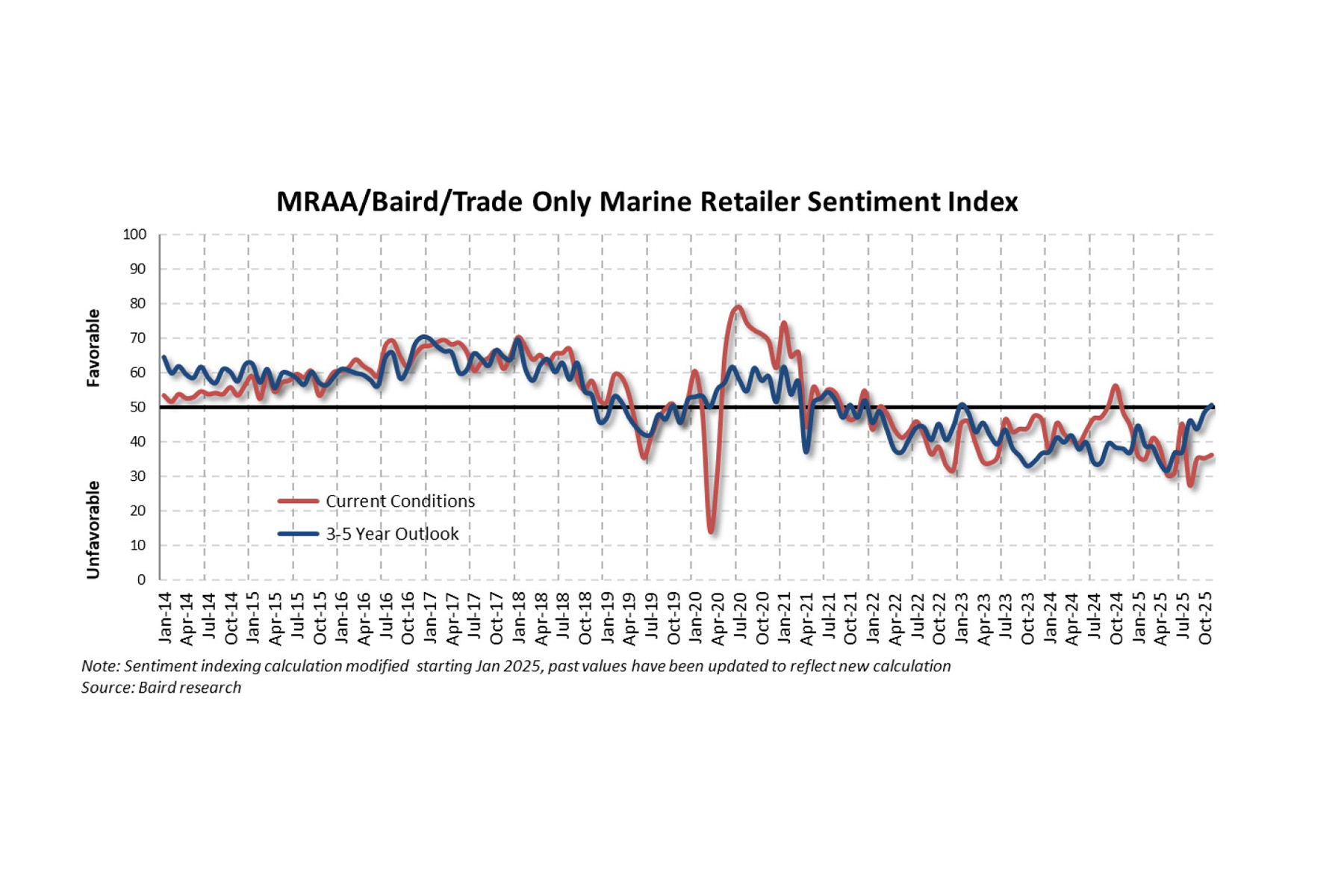
There’s no question that selling boats today isn’t as easy as it was in 2021 and 2022. It takes a more consistent effort, over a longer period of time, to work with and nurture a prospect to a sale. The salesperson who recognizes that it’s necessary to build a relationship with the prospect will be the master of the moment when the decision to buy is finally mad