
 KUNGVERYLUCKY - STOCK.ADOBE.COM PHOTO
Michigan Gov. Gretchen Whitmer established the Fresh Coast Maritime Challenge, a program focused on providing dedicated grants for companies that apply for assistance with decarbonization and electrification of boats and marinas.
“The Fresh Coast Maritime Challenge represents the intersection of mobility, outdoor recreation and economic development, and will create wide-reaching benefits across the entire state of Michigan,” Whitmer said in a statement. “This challenge will serve to modernize one of the most prevalent methods of mobility in Michigan while supporting sustainable marinas and commercial watercraft and protecting the beauty of our Great Lakes for generations to come.”
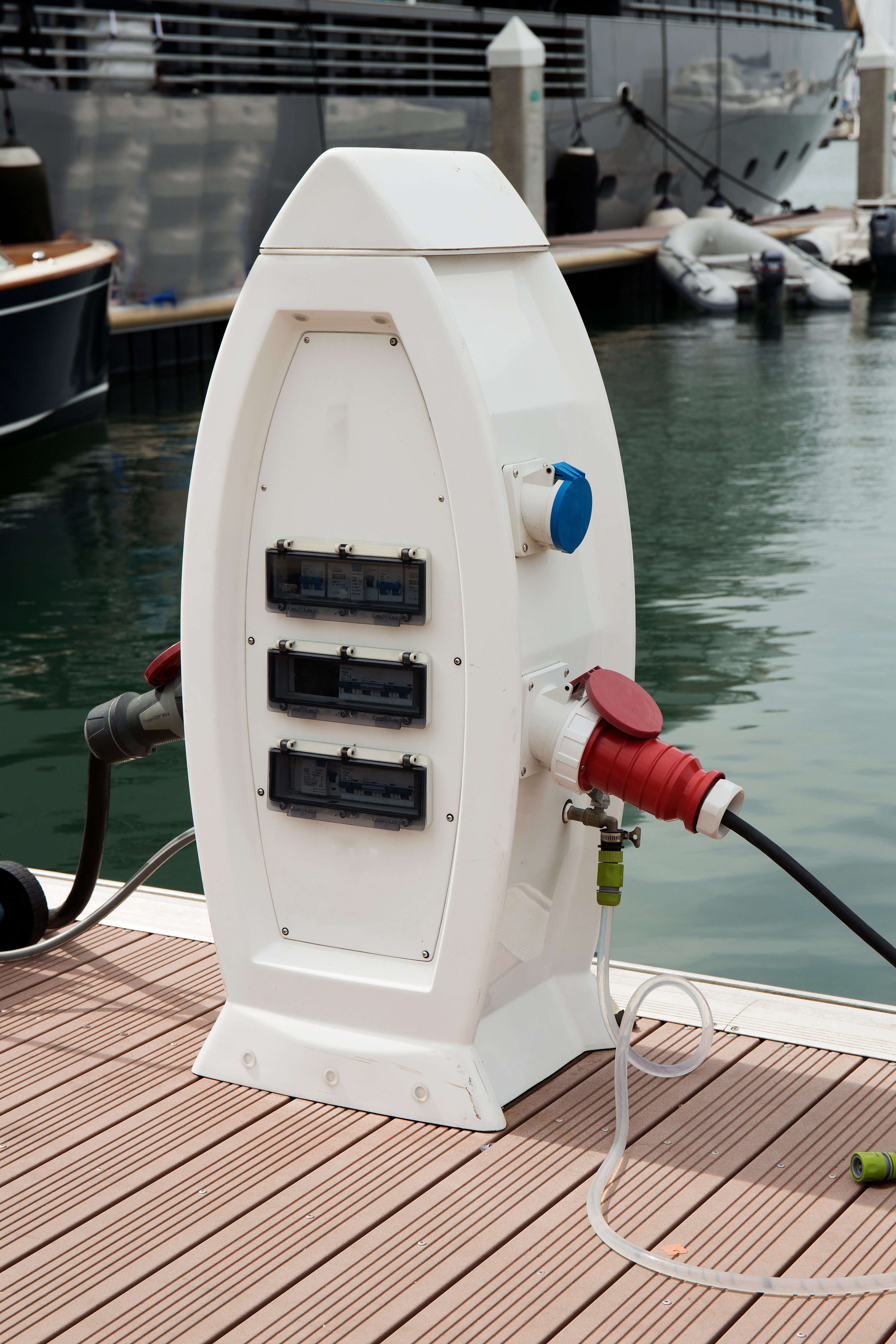
The Fresh Coast Maritime Challenge is designed to offer businesses a cost-effective way to transition from gas and diesel to electric power. The plan is to offer a network of shoreside charging stations for electric vessels operating on the Great Lakes. The initial phase of funding will focus on the northwest Michigan corridor between Frankford and Mackinac Island.
“Our vision for the Grand Traverse region is to be the epicenter for the new electric boating industry — from hosting development and manufacturing of watercraft and charging stations to serving as the hub of a fully functioning corridor for recreational and commercial boat traffic,” Warren Call, president and CEO of Traverse Connect, said in the statement. “Electrification of the marine industry is at the heart of our growing Blue Economy, which will further diversify and grow our larger ecosystem.”
As part of the challenge, the Michigan Economic Development Corp.’s Office of Future Mobility and Electrification partnered with Traverse Connect to identify grant recipients and facilitate the distribution of funds that will provide support for resources that align with the goals of the region. Additional partners for the initiative include the Michigan Department of Environment, Great Lakes and Energy; the Office of Outdoor Recreation Industry; the Michigan Department of Transportation; and the state’s department of natural resources.
Early highlights of the program include the installation of a rapid charger at Elk Rapids Marina and the conversion of a Mackinac Island passenger ferry to electric propulsion.