

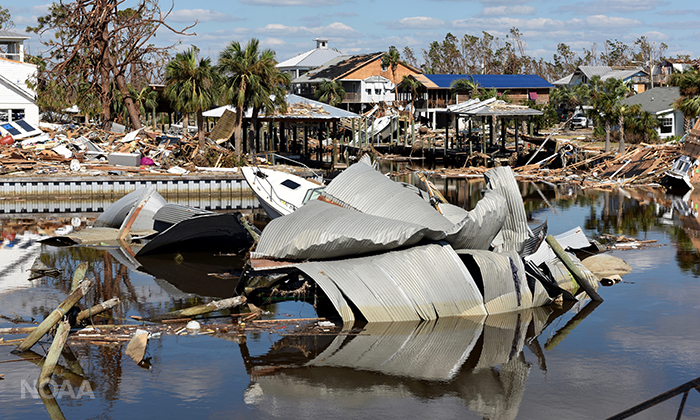
A new post-storm analysis has determined that Hurricane Michael was actually a Category 5 storm when it made landfall in Mexico City, Fla., on Oct. 10, rather than a Category 4 storm as previously believed.
Scientists at the National Oceanic and Atmospheric Administration’s National Hurricane Center said the storm’s estimated intensity at landfall was 140 knots, or 160 mph.
This final wind intensity is a 5 knot (5 mph) increase over the operational estimate and makes Michael a category 5 storm on the Saffir-Simpson Hurricane Wind Scale, according to NOAA. The increase in the estimated maximum sustained wind speed from the operational estimate is small and well within the normal range of uncertainty.
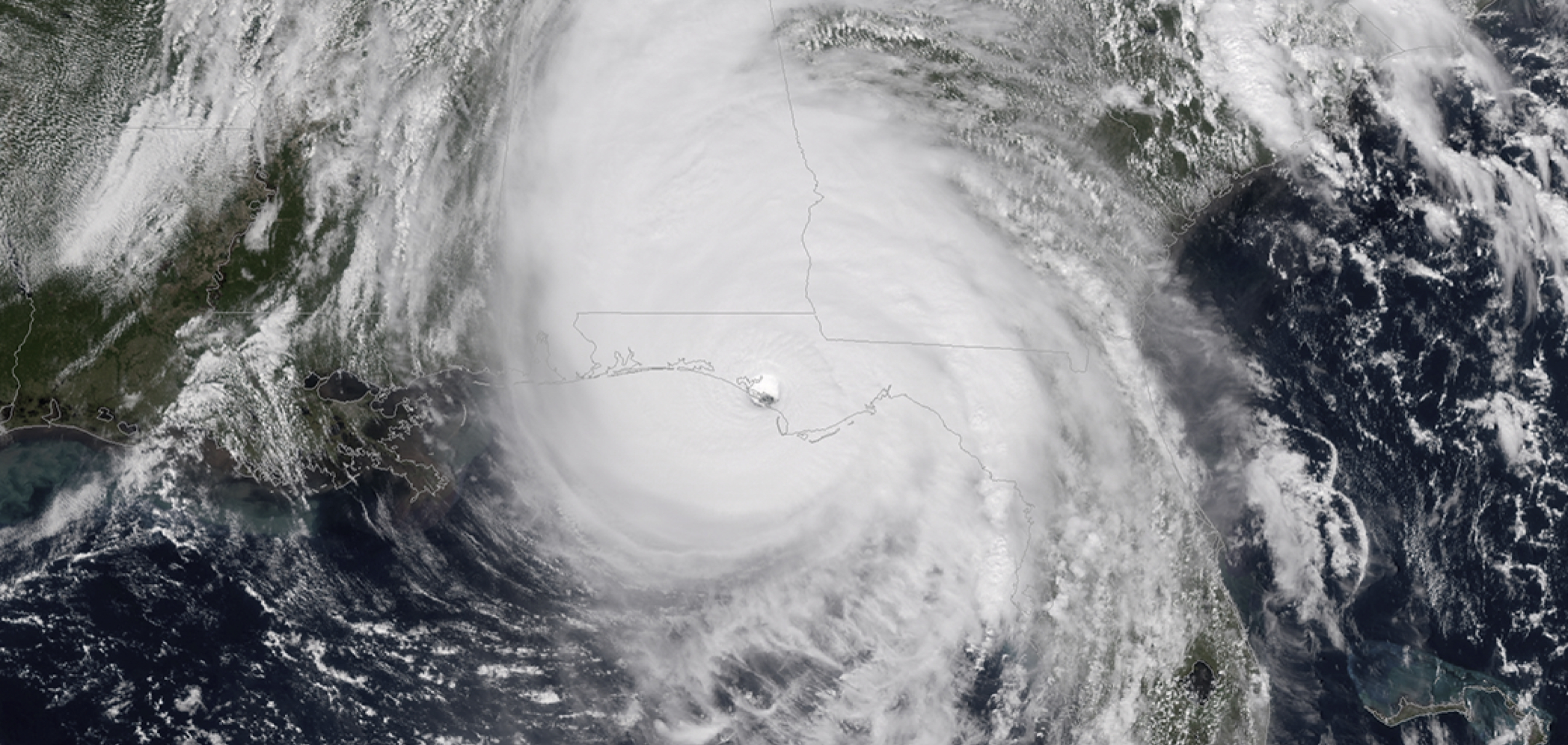
Category 5 winds were likely experienced over a very small area at and near the coast, and the change in estimated wind speeds is of little practical significance in terms of the impacts associated with the storm.
Michael, the first hurricane to make landfall in the United States as a Category 5 storm since Hurricane Andrew in 1992, was responsible for 16 deaths and about $25 billion in damage. It’s the fourth Category 5 hurricane to make landfall on record (Labor Day Hurricane in 1935 and Hurricane Camille in 1969).
Michael is also the strongest hurricane landfall on record in the Florida Panhandle and only the second known category 5 landfall on the northern Gulf coast.
Five days after the hurricane struck, 150,000 homes were still without power and people still were unaccounted for.