One of the most durable ideas in conservation policy is also one of the most practical: The people who benefit from healthy fisheries and public access to the water help fund the systems that sustain them.
For more than seven decades, the Sport Fish Restoration and Boating Trust Fund has reflected that principle. Since 1950, boaters, anglers and manufacturers have contributed to a user-pay, public-benefit model that supports conservation and access across the country. The result is a program that has earned broad bipartisan support because it is rooted in shared responsibility, local benefit and measurable outcomes.
With the trust fund set to expire Sept. 30, its reauthorization presents Congress with an important opportunity. At its core, this is a chance to continue a proven program. It is also a chance to modernize that program so that it remains at the forefront of boating, conservation and marine technology.
The trust fund serves as the backbone of funding for state fish and wildlife agencies in all 50 states. It directly supports the Coast Guard’s boating safety programs, state boating safety and law enforcement efforts, coastal wetlands restoration, fishery habitat projects, boat ramps, marinas, and more than 9,000 boating and fishing access points nationwide. Since its last reauthorization, in 2021, the trust fund has generated more than $3.5 billion for conservation, infrastructure and access.
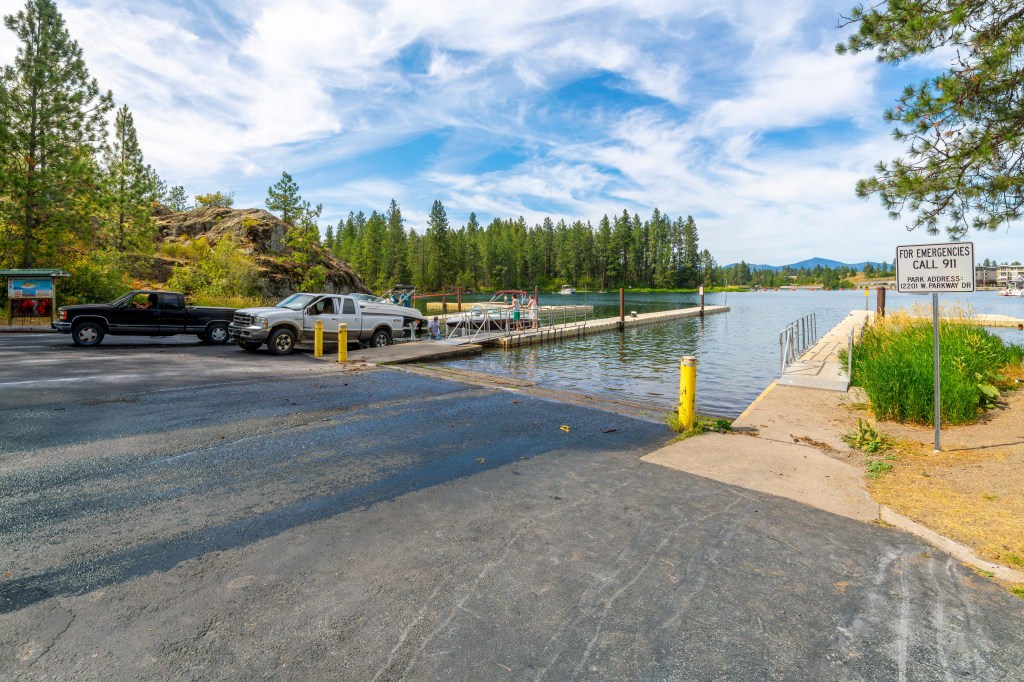
Access is the foundation on which participation is built. A well-maintained ramp, a functioning marina, healthy fisheries and reliable shoreside infrastructure all shape whether families spend time on the water, whether anglers support local economies, and whether communities benefit from outdoor recreation.
The examples are instructive, and the impact is felt nationwide. In Nevada, the trust fund helped improve Big Bend state recreation area, a key gateway to the Colorado River. The project addressed erosion and drainage issues, maintained safe boating depths through dredging, reinforced shoreline infrastructure, restored a beach landing area and added a new dock with ADA- accessible pathways. In one of the driest states in the country, that project supports safe and dependable public access.
In Minnesota, trust fund dollars helped support McQuade Small Craft Harbor and public access along Lake Superior. The project improved a three-lane boat launch, height-adjustable docks, a kayak launch, a protected harbor basin, parking, restrooms, shore fishing areas, and safe pedestrian and vehicle access. Along a stretch of shoreline where conditions can change quickly, the investment strengthens recreation and safety.
In South Carolina, Green Pond Landing and Event Center on Lake Hartwell shows how access infrastructure can become an economic engine. Trust fund investments supported boat ramps, parking, ADA-accessible features, restrooms and infrastructure that have helped make the site a leading destination for fishing tournaments and boating. The benefits extend beyond the water and across the region through lodging, fuel, food, tourism and small-business activity.
These projects show how the trust fund connects conservation policy to everyday American life. It is a true public/private partnership, as it is paid for by boaters, anglers and manufacturers; operated by a federal agency; and disbursed to states to support on-the-ground projects. Its benefits support families, communities, small businesses, manufacturers and the ecosystems that make outdoor recreation possible.
Reauthorization of the trust fund also comes at a time when the boating industry is investing heavily in the next generation of marine technology. That includes strategic maritime fuels, which are an important part of the industry’s all-of-the-above approach to reducing carbon emissions while maintaining the performance, range and reliability boaters expect.
Boating presents a distinct policy and engineering challenge. Marine engines operate in demanding conditions, and boats vary widely in size, use and power needs. For that reason, the path to lower emissions will be broader than any single technology. Electric propulsion, hybrid systems, hydrogen, advanced internal combustion engines, improved vessel design and cleaner liquid fuels all have a role to play.
Strategic maritime fuels are especially important because they can help reduce emissions across the existing fleet, be installed in current fuel infrastructure and storage, and support future platforms. In many applications, these fuels offer a practical way to lower net carbon emissions while preserving, if not enhancing, range and performance.
That is why the SMF provisions included in the House of Representatives’ version of its reauthorization bill are so important. By incentivizing investment in marina infrastructure for these fuels, bipartisan members of the House recognize that innovation depends not only on technology, but also on the infrastructure that allows that technology to reach boaters. As the Senate continues its work, adding comparable SMF language would help ensure the final reauthorization package reflects today’s access needs and tomorrow’s technology needs.
This is the type of policy modernization that fits naturally within the trust fund’s purpose. The program has always reinvested in the systems that make boating and fishing possible. As fuel technology evolves and more harmful fuels enter the marketplace — E-15 being a prime example — supporting SMFs through the trust fund would help domestic producers, communities, marinas and manufacturers keep boaters and their products safe in a way that is practical, durable and aligned with real-world boating.
For manufacturers, access policy and innovation policy are closely connected. The boating industry depends on healthy waters, reliable infrastructure and continued participation. At the same time, the industry is doing what American manufacturing has always done well: solving practical problems through craftsmanship and ingenuity.
Ninety-five percent of boats sold in the United States are produced in the United States, and 93% of boatbuilders are small businesses. These companies support jobs in communities across the country while building products that are recognized and in demand around the world.
Reauthorizing the Sport Fish Restoration and Boating Trust Fund would continue a strong record of conservation, safety and access. Including key SMF infrastructure provisions in the final package would also help position the program for the future. Together, these priorities reflect a simple but important idea: Access to the water supports manufacturers and Americans alike.
Clay Crabtree is interim vice president of policy and government relations at the National Marine Manufacturers Association.
This story originally appeared in the August 2026 issue of Soundings Trade Only.