
The Dometic Group aims to make mobile life easier, with a product line that spans the marine and RV segments in the areas of climate control, food and beverage, steering control and more. Dometic is a Soundings Trade Only Top 10 Most Innovative Company of 2020. It identifies problems that boaters and the industry face, then develops solutions.

In the past 18 months, the Sweden-based company has unveiled several marine products, including the Turbo Global Air Conditioning System, Emerald Series Variable Capacity Split System Climate Control, VARCX/X30 Variable Capacity Cooling and Diesel Fired Heater System, and Next Generation Trim Tabs.
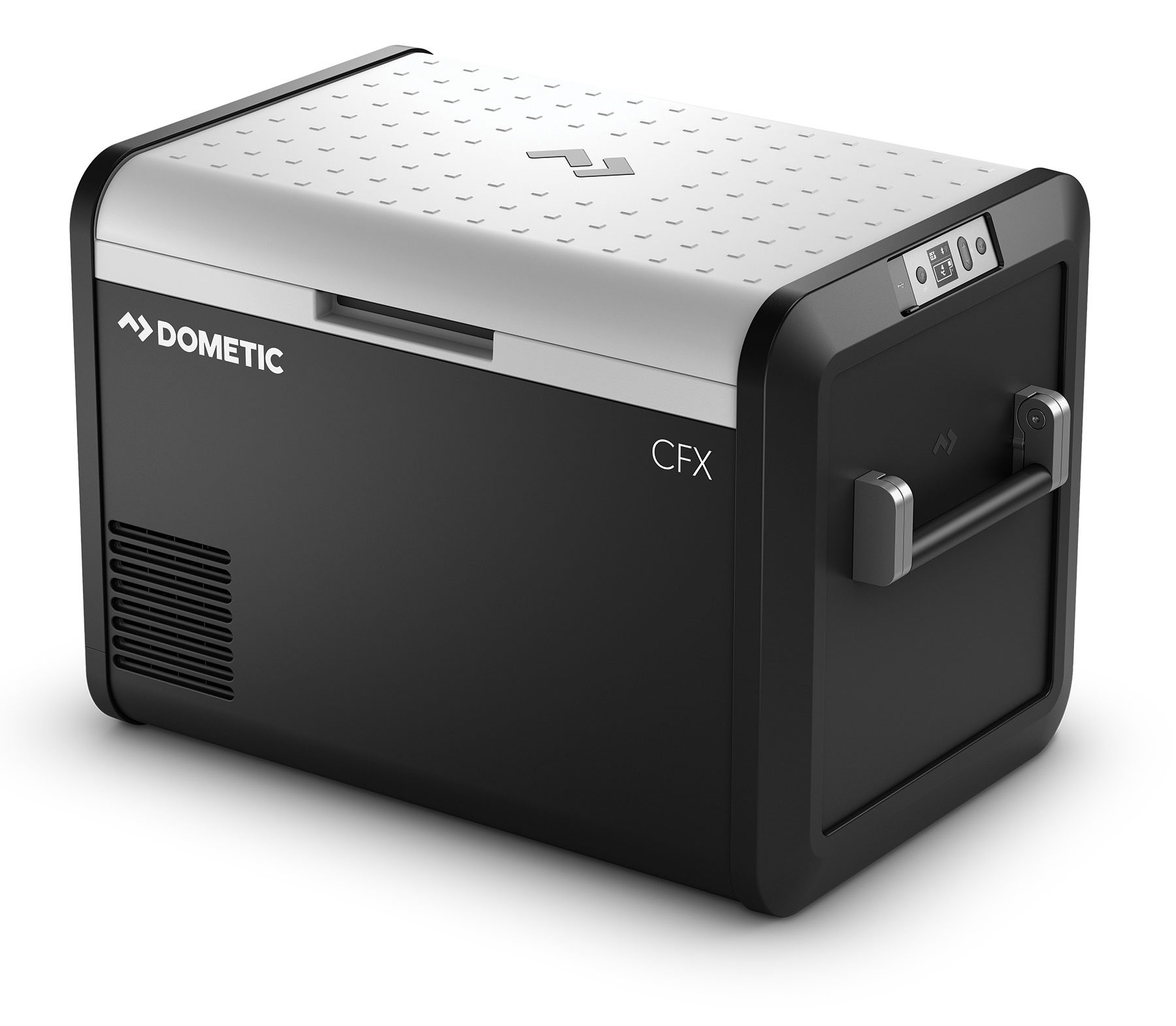
In the RV space last year, Dometic earned a European Innovation Award and a Best Brand Award for its CFX3 portable refrigeration systems. In 2019, the company received MotorHome Readers’ Choice Awards and Trailer Life’s Readers’ Choice Awards for products ranging from awnings to toilets and HVAC/comfort systems.
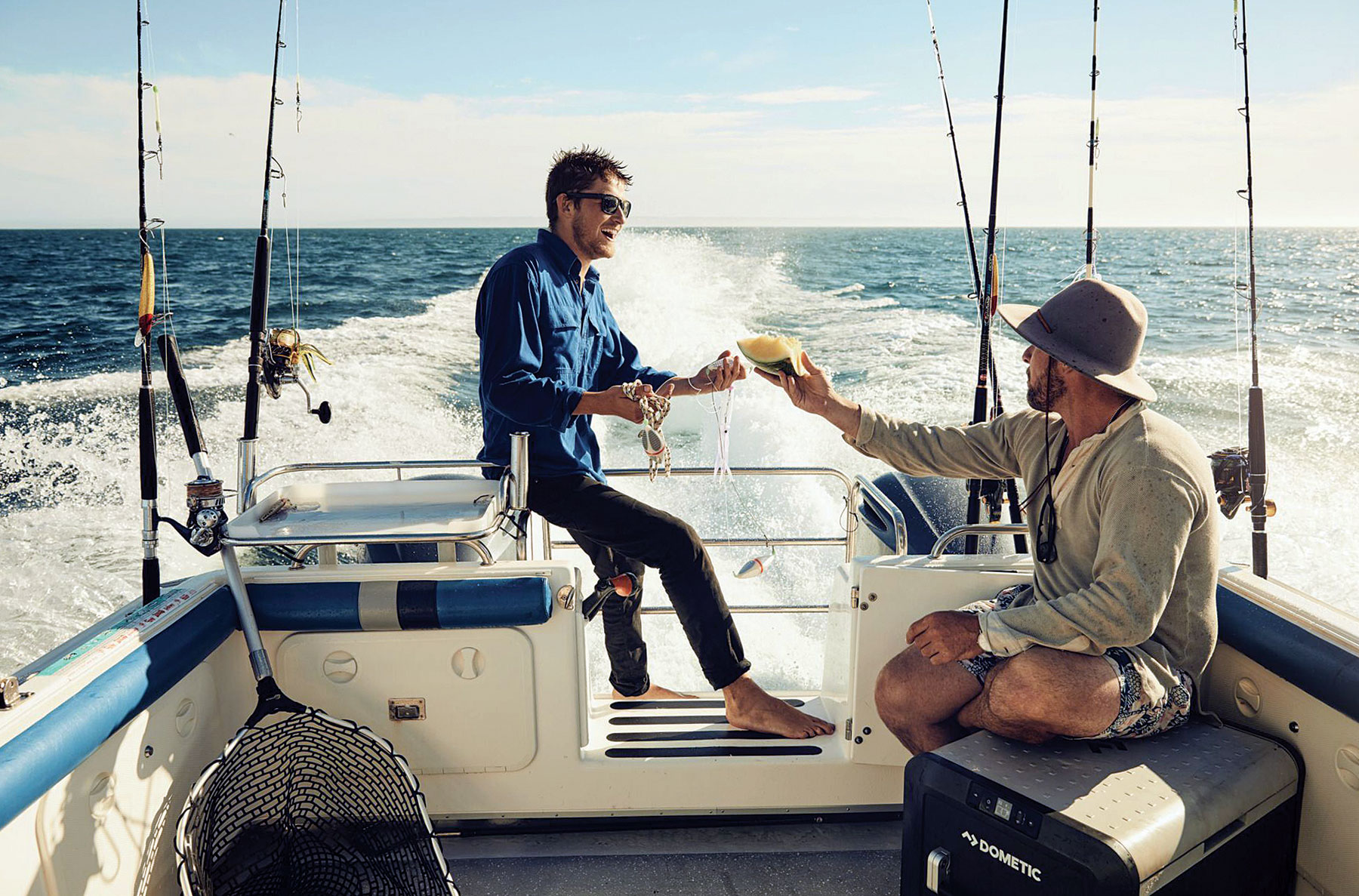
Dometic product lines focus on the niche needs of boaters and the broad needs of outdoor recreation. The company’s philosophy is that a boater should turn to Dometic for everything from steering control to glamping furniture, and that those needs are often similar or identical among people using RVs.
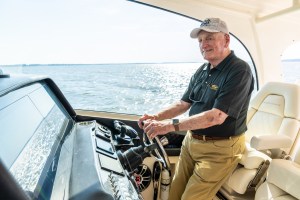
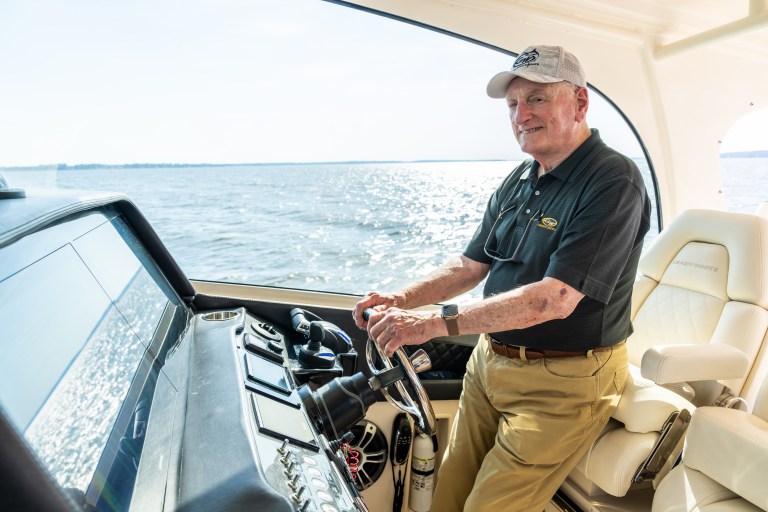
“It’s no accident that the Dometic Group got into both marine and RV,” says Eric Fetchko, president of Dometic Marine, and “it’s no accident that people like Winnebago bought Chris-Craft. There are a lot of synergies from a lifestyle point of view, and with technologies and processes.”
Culture of Innovation
Fetchko, an engineer himself, values a culture of innovation rather than teams of engineers in design silos. “If you want to truly get to that next level, you can’t just innovate in the ivory tower of engineering,” he says. “You’ve got to innovate on the shop floor, innovate in manufacturing, innovate in sales and innovate in marketing. As a company, it’s in our DNA.”
Being innovative includes knowing the details of different outdoor recreation markets. For example, knowing the intense demands of the marine environment means there will always be a level of delineation with marine products.
“The environment of the ocean, of salt water and sun, is the nastiest environment in which you can build products,” Fetchko says. “You can have similar technologies, but the products [between marine and RV] are distinctly different.”
To master the marine niche since becoming independent from parent company Electrolux in 2001, Dometic acquired multiple companies: SeaLand marine waste management in 2002, and SeaStar Solutions for vessel controls in 2017. “Acquisitions are a big part of it. I was one of the acquirees,” Fetchko says. “Acquisitions are tied with our organic growth in which we’re extremely strong. But smart acquisitions help to grow where we want to grow.”
Maximizing Reach
Dometic presents itself as a company that services adventure, no matter where the desire for adventure leads in product development. If customers expect boats to be like cars, or RVs to be like homes, then that’s the expectation Dometic strives to meet. “The bells and whistles drive the format of the product development to stay in line with increased customer expectations,” Fetchko says.
The company also has a strong brand ambassador program, which lets customers show off those products. On social media and blogs, Dometic looks for people out in the world living the adventure lifestyle, then recruits them as brand ambassadors to use the products.
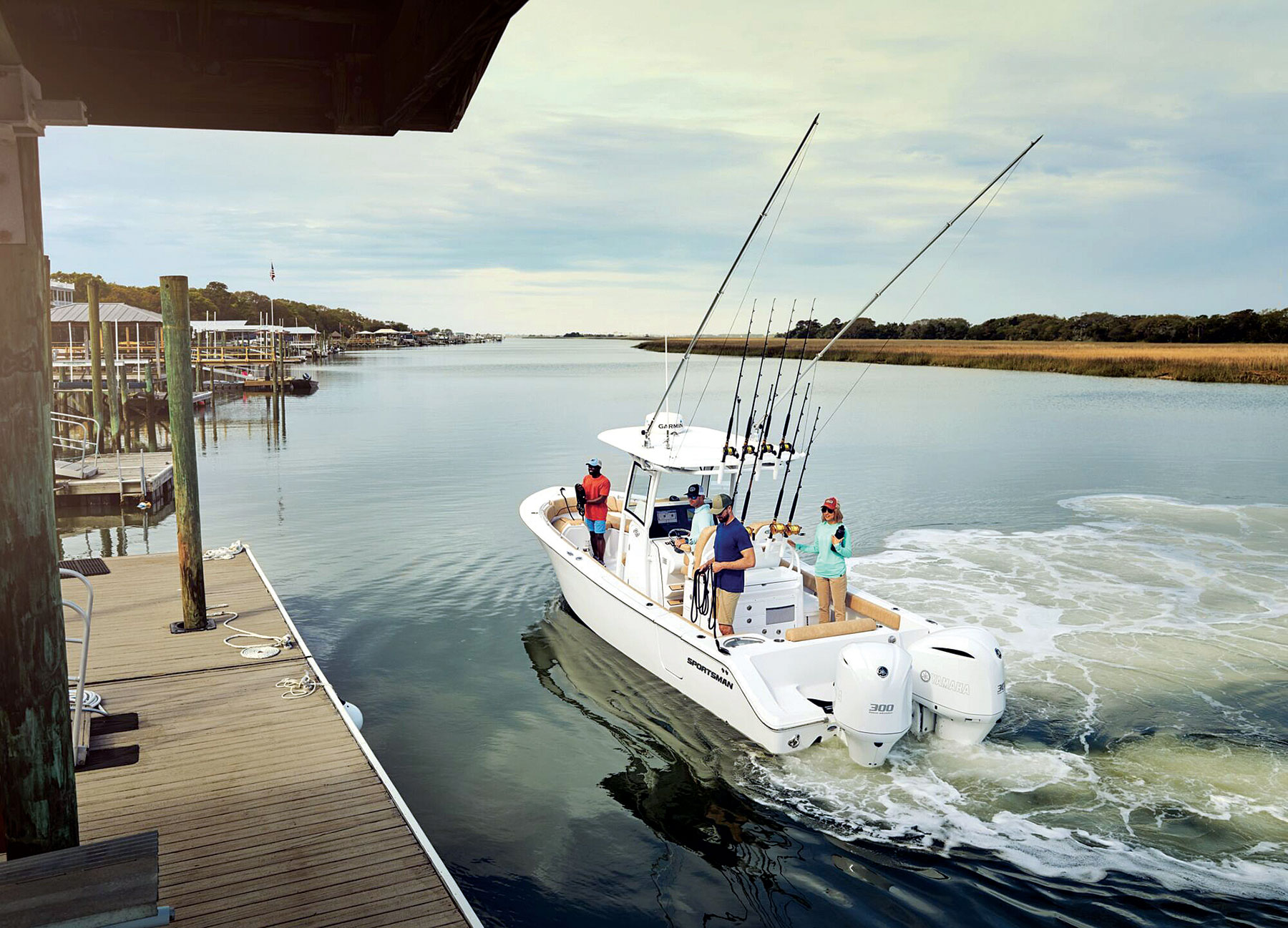
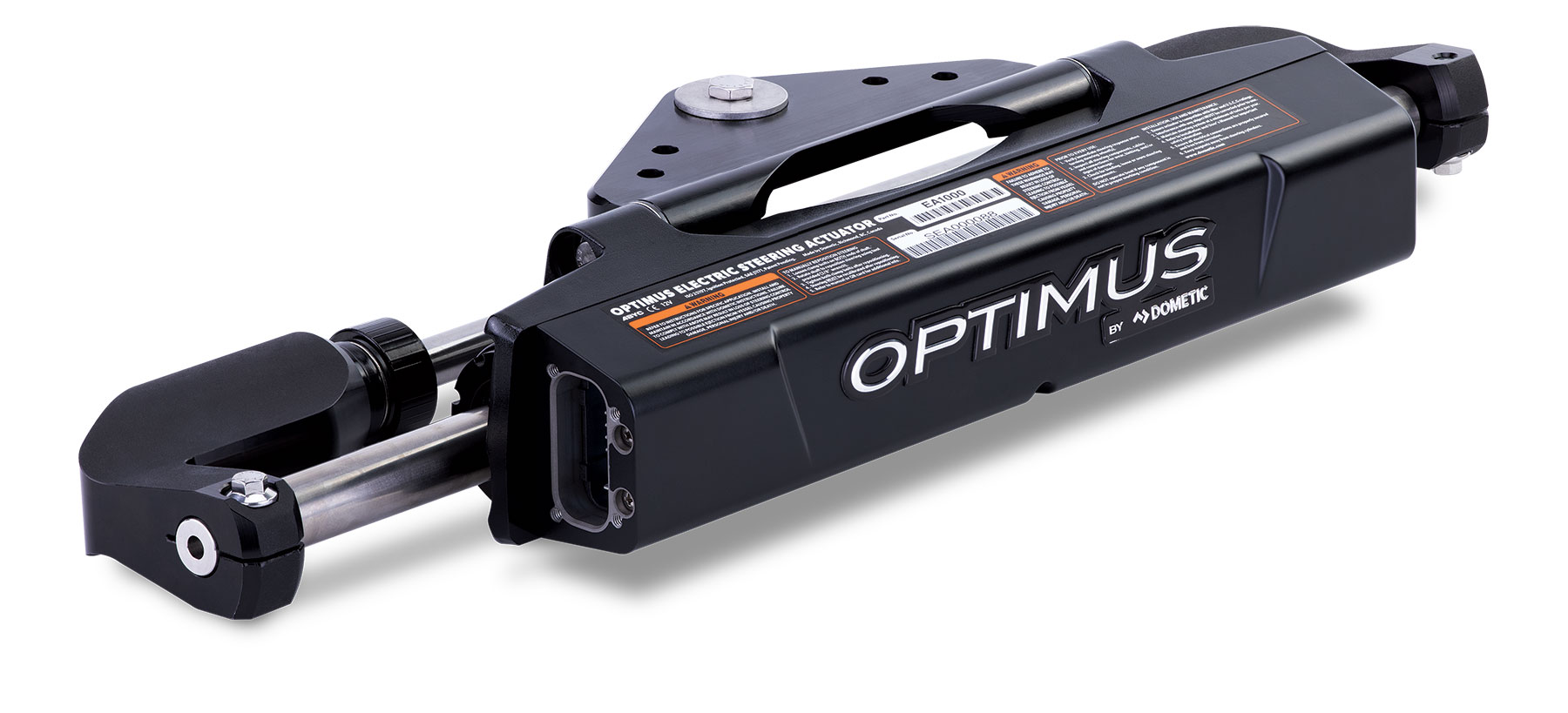
Great products will help the marine industry keep many of the boaters who joined the sport during the pandemic, Fetchko says. Products such as Xtreme Power Assist Steering, which won an Innovation Award at IBEX, are built to make boating easier and help more people enter the marketplace.
“One thing we’re not good at is sitting on our laurels,” Fetchko says. “We’re always looking in the rearview mirror. I refuse to let my people pat themselves on the back very much. Maybe once or twice, but we have to drive forward. That drives our winning strategy. I’m as passionate about this business as I was 35 years ago.”
This article was originally published in the March 2021 issue.