About seven years ago, Patricia Clement and her husband, Del, rented a cabin on the water for his birthday. Patricia enjoyed the experience and noticed the RVs parked along the shore. “I said we should get a travel trailer, and we started crabbing,” she says. “When I caught that first crab, I just became obsessed.”
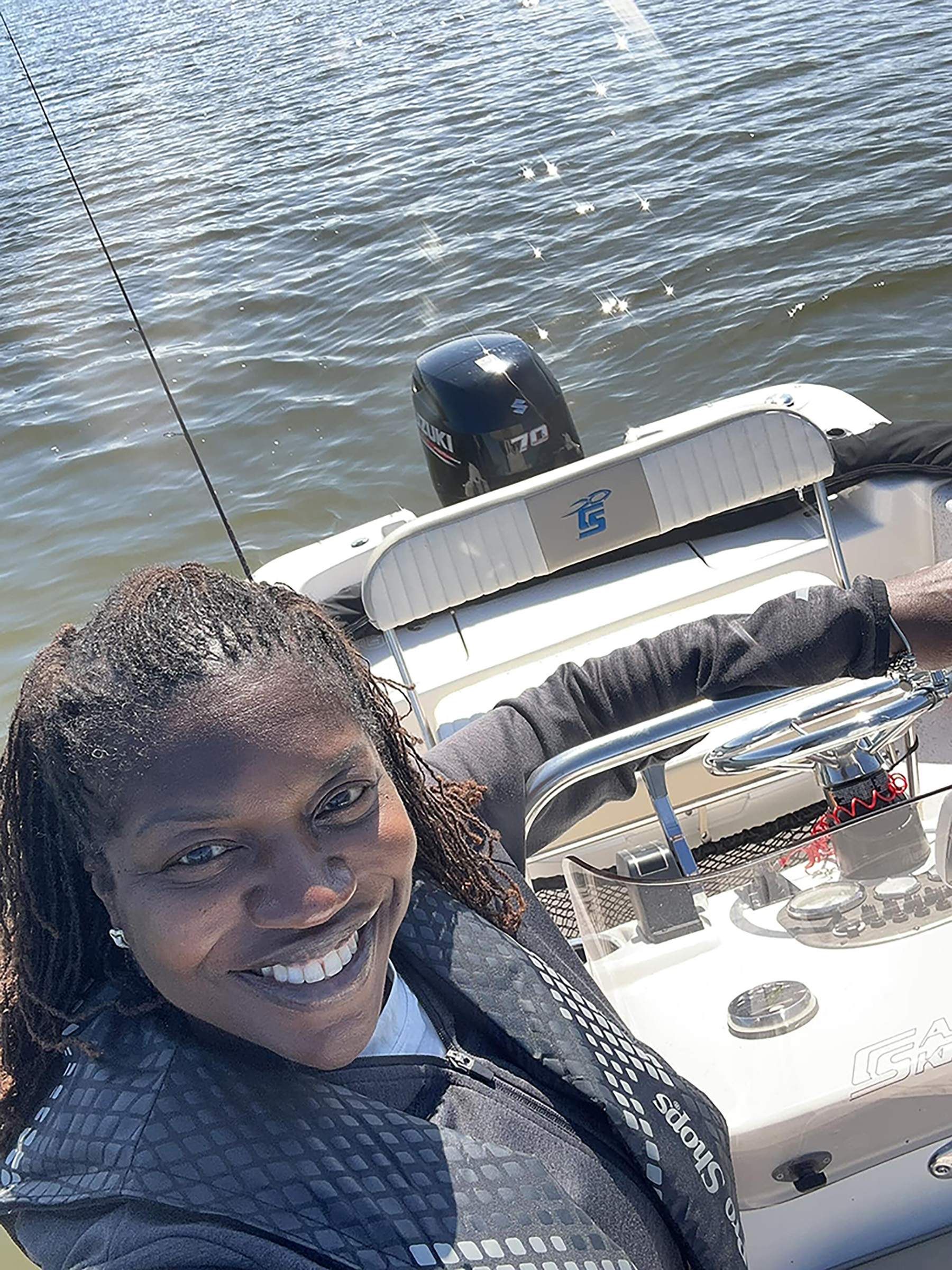
That led to the Clements renting a spot at Grey’s Point Camp in Topping, Va., and getting some crab pots. She then added fishing at local piers, booking charters and, eventually, purchasing her own 17-foot Carolina Skiff, Livin’ Life.
 Patricia Clement
The way she lives today is a far cry from growing up in Brooklyn, N.Y., where she spent little time near or on the water. “On Fridays, we ate fish. We walked to the bus stop and went to the fish market,” she says. “It took about three hours. I didn’t know anyone who fished. I had no idea how fish got to the market, and I didn’t have any access to the water. I used to be scared to touch a fish.”
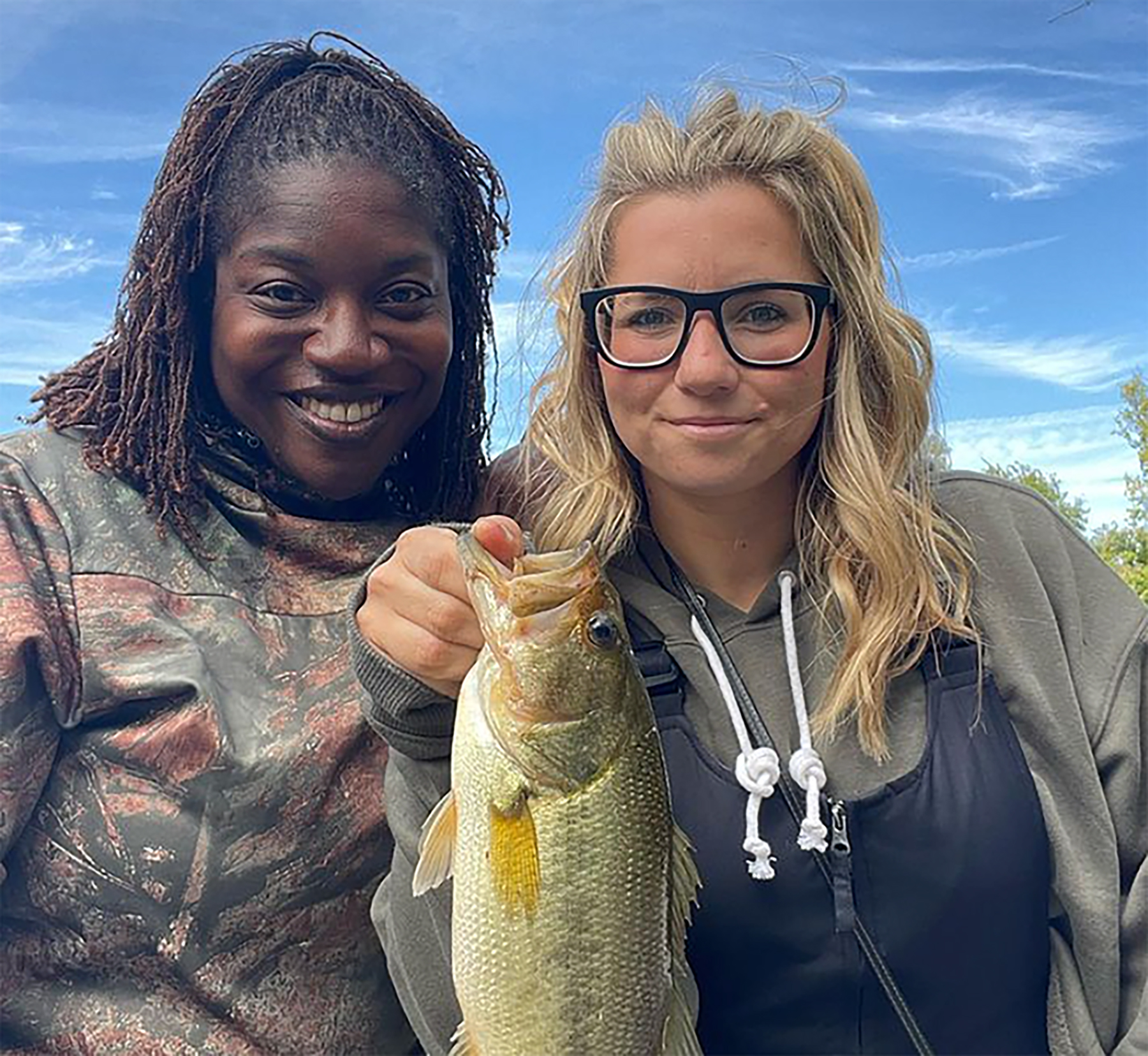
Today, Clement is better known as Rivah Sistah. She has more than 10,000 followers on Instagram and just under 26,000 on TikTok. “I cater to women who have never been fishing and who’ve never been on a boat,” says Clement, now 50. She started posting videos of her fishing and crabbing, and before she knew it, she had built a following made up mostly of women.
 Clara Ricabal
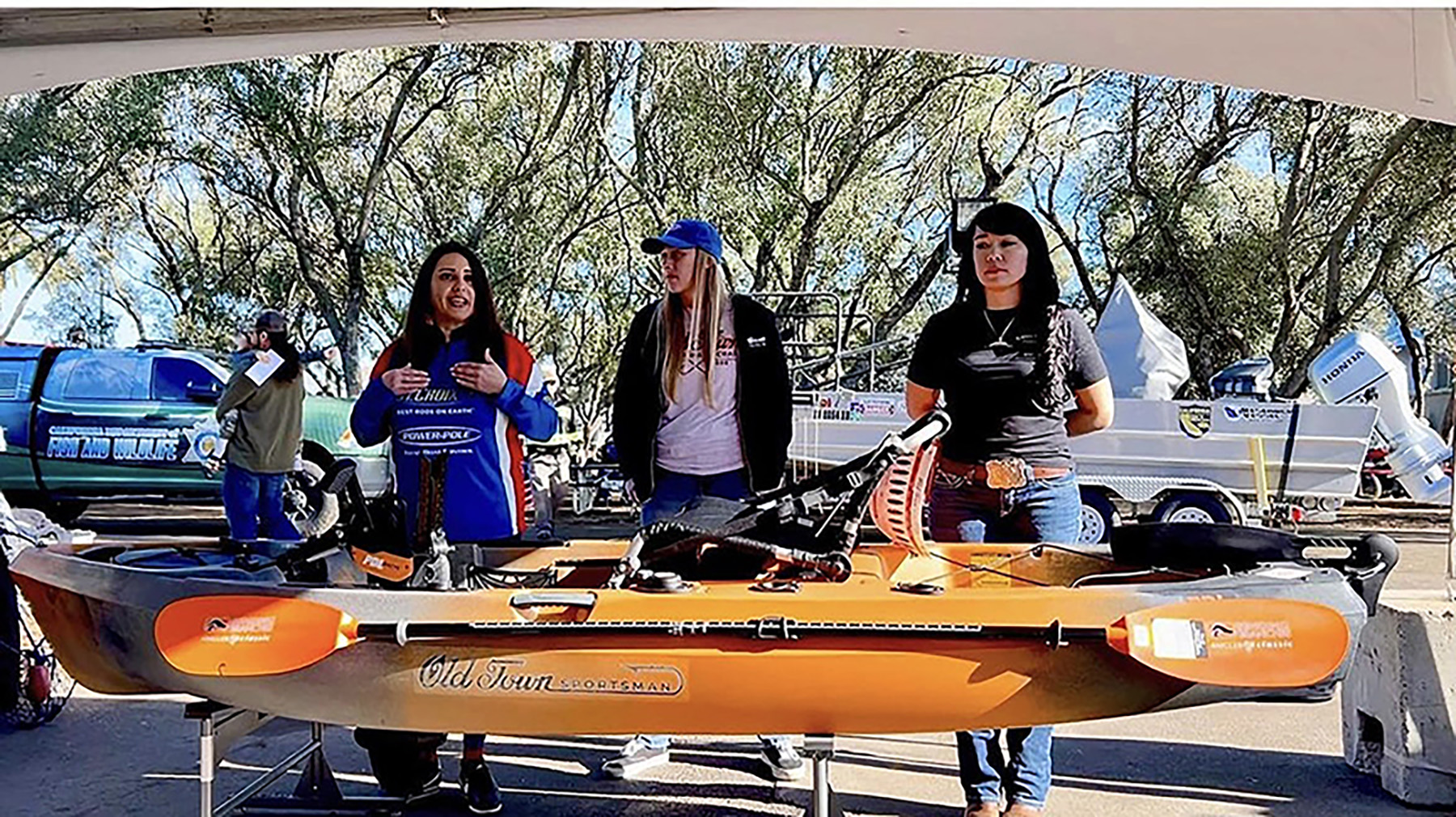
Whether it’s Clement or Clara Ricabal, a Latina angler in Northern California with a strong female following, women and girls are an important audience for recreational boating and fishing. Ladies, Let’s Go Fishing, a national organization founded in 1997 by angler Betty Bauman of Fort Lauderdale, Fla., has more than 8,000 graduates of its educational programs. The Recreational Boating & Fishing Foundation is targeting women with a new marketing campaign, “Find Your Best Self on the Water.” RBFF also has a Spanish-language microsite, Vamos a Pescar, which focuses on bringing fishing to the Hispanic community.
“The Vamos a Pescar program and the grants, whether it’s minorities, kids, women, whoever — I was blessed to get involved with them,” Ricabal says.
On behalf of RBFF, the market research firm Ipsos recently surveyed active and lapsed female anglers and non-anglers. One in four women who fished said it helped them manage mental health and long-term stress. Women who fished had greater perseverance and were more likely to say that setbacks did not discourage them. Almost 50% of women who fished said it taught them patience and helped develop their confidence. Women who fished also said they had higher self-esteem and a clear mind.
 Patricia Clement
Some 75% of women who fished also said they did not feel well-represented in marketing and advertising. The study also found that almost half of female anglers felt disrespected by the broader angling community, with more than one in three feeling stereotyped.
“Fishing and boating have a profound impact on a woman’s life,” Rachel Piacenza, senior director of marketing with RBFF, stated in a press release. “Our research shows this, and our newest campaign is going a long way to accurately and inclusively depict this key audience, ideally inspiring more females to feel comfortable trying this life-enhancing activity.”
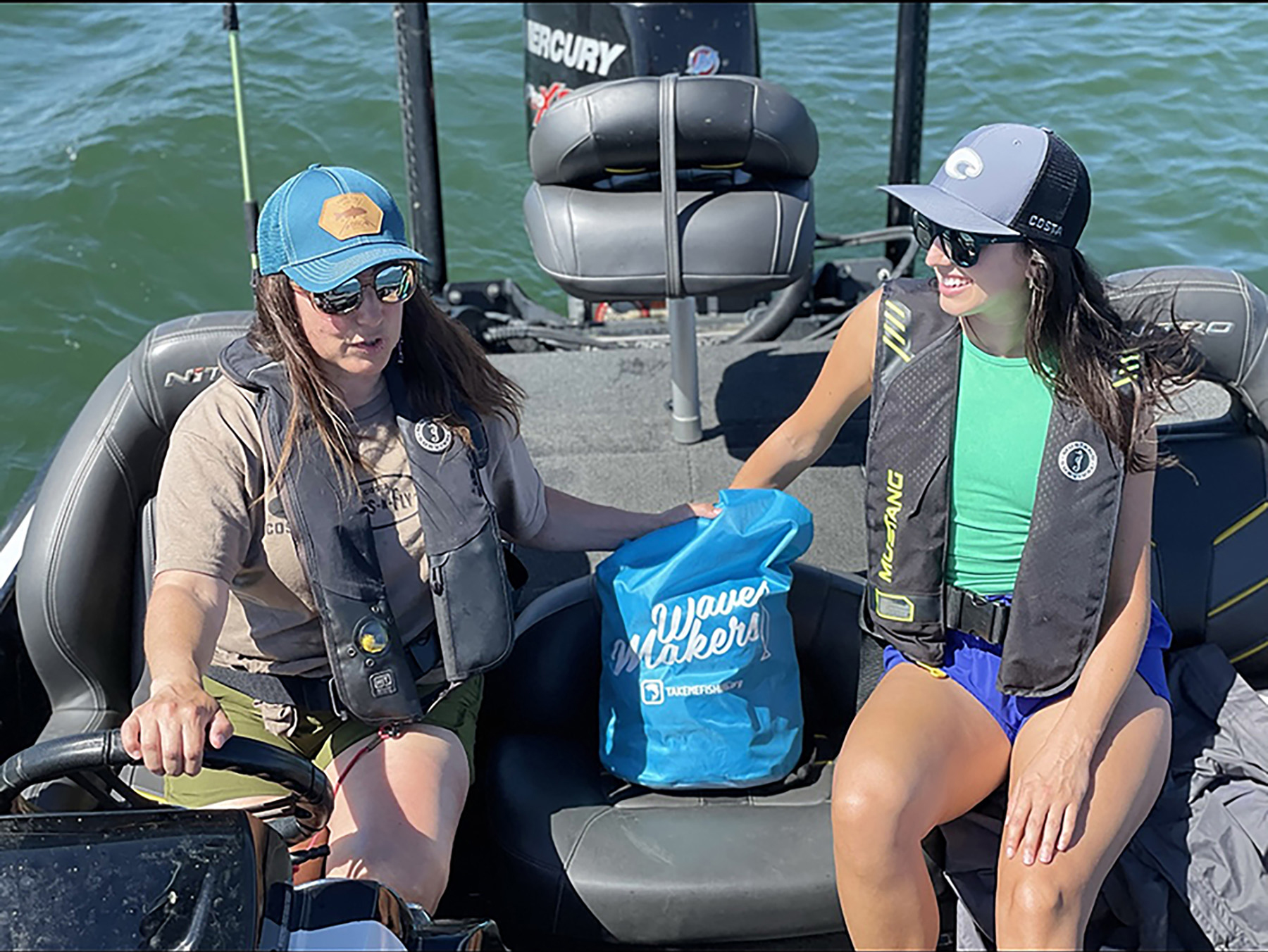 Clara Ricabal
The Rivah Sistah
For Clement, ignorance may have been the proverbial bliss when she started fishing. She neither knew nor cared about statistics about female anglers when she bought her first blue crab traps.
“I need to get people who had no experience, like me, to do this,” Clement says of her decision to start posting videos. “I know what it’s like to not know, and I want people to understand, you can do this, too.”
When she first started making videos while fishing from piers, Clement recalls men telling her, “You’ll probably catch a fish if you put that phone down.”
Retired after 20 years as a police officer, she’s also an instructor for the National Rifle Association and was recognized for her shooting abilities when she was on the force. One time when she went to the pier, a group of about five guys were smoking cannabis and drinking, so she didn’t fish in that spot that day — an example of what women mean when they tell surveyors why they don’t always feel comfortable in some male-dominated fishing environments.
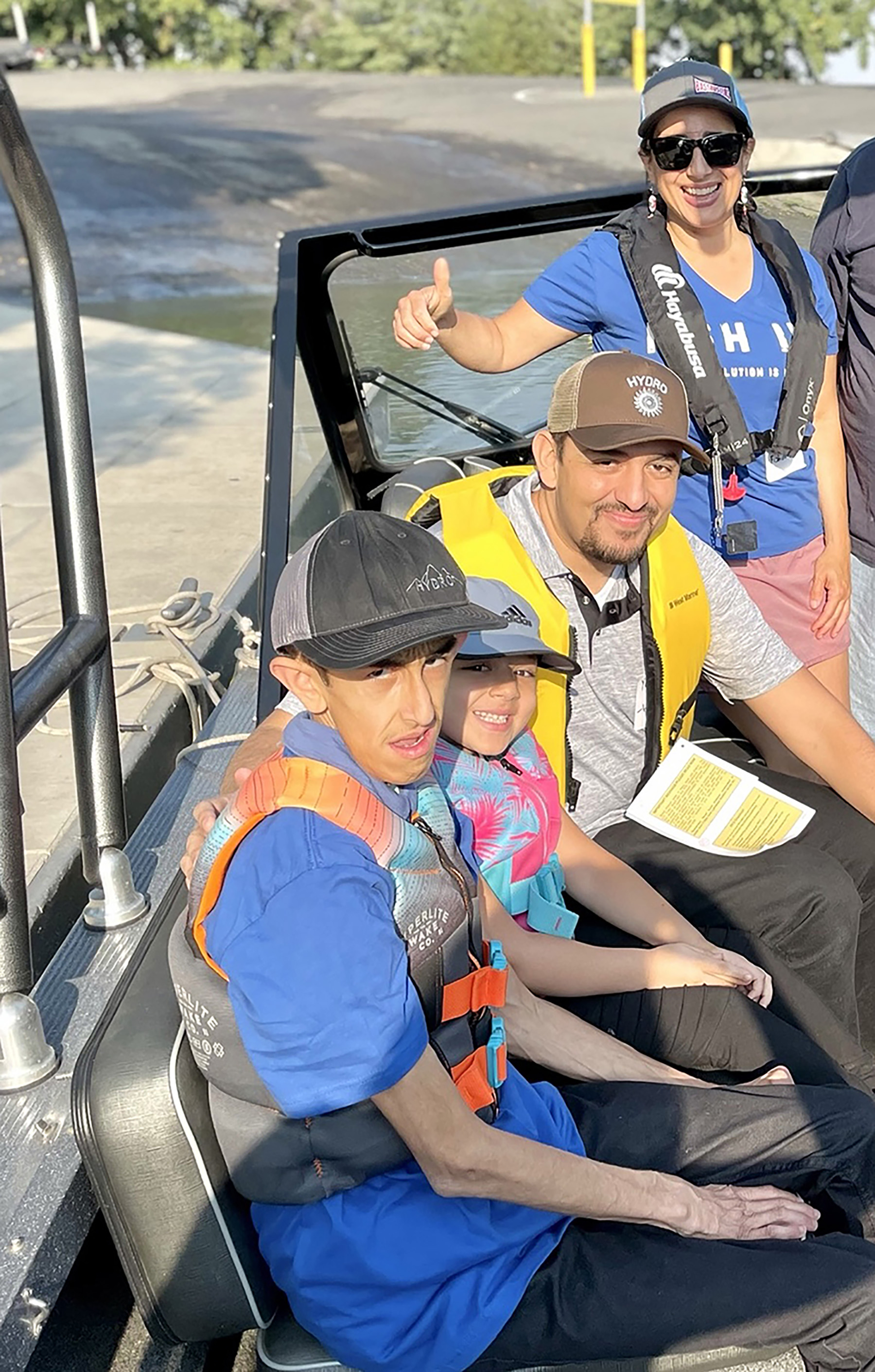 Clara Ricabal
In addition to being in the police force, Clement has always been active socially. “I’m a natural entrepreneur,” she says. She volunteers at a local homeless shelter and for Meals on Wheels, delivering food to homebound people.
As her fishing obsession grew, Clement and her husband bought waterfront land in 2021. They are building a house. They bought a NauticStar center console and enjoyed hanging out with friends at the local sandbar on the weekend, but Del said the boat was too nice for fishing. “I bought a jonboat, and it was 12 or 14 feet, and I didn’t like that, so I bought a 1990 skiff,” Clement says.”
Today, she owns the aforementioned Livin’ Life, a 2018 17-foot Carolina Skiff with a Suzuki outboard. She calls the boat her third child. “We have a boat, and I have a boat, so I can do my own thing,” Clement says. Instead of hiding her learning curve (the same one that all new boaters face, men and women alike), Clement put her first attempt to load the boat on its bunk trailer on TikTok. “I’m not one to sit around and beg,” she says. “I’ll do it myself.”
Clement’s posts on Instagram and TikTok got the attention of fellow female angler Tiffany “Snookie” Risch. She invited Clement to an all-women fishing event, and Clement taught people how to cook and clean blue crabs. That led to contact from RBFF, and Clement decided to launch her website, rivahsistah.com. She’s done videos for Bass Pro Shops and Carolina Skiff, and is on the DSG Outerwear Women’s Fishing Apparel Pro Staff Team.
She plans to get her captain’s license so she can do her own charters. For now, Clement works with a local captain on half-day charters. Nearly all her clients are women, and many of the groups are a mix of ethnicities. “I see myself doing a reality series of me taking people fishing and exposing them to it,” Clement says.
She started taking parties fishing for speckled trout and on trips on the Rappahannock River in Virginia. The $125 charter includes lunch and equipment. She also offers tours from April to November. Catch, Cook, Clean, Camp teaches participants how to catch and cook the fish, and how to camp in an RV. The cost is $70 per person. A pier fishing trip starts at $50 per person and teaches people how to fish from a fixed pier or dock. The charters run from May to October, and Crab Catching runs from June to October for $40 per person. She also teaches beginner firearm training.
She fishes a few times each week and says, “I love to watch people eat what I caught.” With blue crabs, she started steaming them and removed the meat, vacuum-sealing it in bags and freezing it. She has produced TikTok and Instagram videos of her freezing the meat and making classic Chesapeake Bay crab cakes.
“I’ve had Black people say, ‘Hey do you feel uncomfortable out there with all those white people?’ And I’ve had other people say, ‘I see you out there with your white friends,’ ” she says, adding that she chooses to think differently. “Even fishing, I don’t know a lot, but if I see someone new, I’ll help them.”
Her Happy Place
While Clement came to fishing later in life, Ricabal learned to fish as a young girl with her father. Her parents were from Cuba, and her dad worked for Pacific Gas & Electric Company, which built reservoirs with family cabins along the shoreline in California. Employees could use the cabins as a perk.
But it wasn’t until she needed to find an escape from the rigors of her job as a nurse and home healthcare provider that the 45-year-old from the Santa Cruz, Calif., area rediscovered the serenity of holding a fishing rod in her hand.
“I had to find a way to get my mind off of things,” she says. “There were a lot of ponds and parks that had fish, and I started fishing again.”
A co-worker who owned a bass boat asked Ricabal to go fishing with him. Soon, fishing became more than an escape. She expanded her repertoire, fishing in fresh and salt water, and recently went on a trip for halibut. Her pursuits became more focused when Ricabal became the first female angler to make the California state team for the B.A.S.S. Nation Series tour.
“When I made the state team, people saw that, and the next year, there were a lot more participants,” she says.
Ricabal started as a co-angler fishing on other people’s boats, which she said was critical to her development as an angler. “It’s been a very important thing,” she says. “I’ve drawn some good people.”
Today, she still works as a nurse and is a director of 25 American Bass Association tournaments in 13 western states. Her Instagram handle is crazyclara. She has a guide company called Catching California and writes a column with the same name for Western Outdoor News magazine. She holds an unofficial world record for spotted bass for women, and has been on the television show A Fishing Story.
Ricabal recently bought a Nitro Z18 bass boat. She’s sponsored by St. Croix rods and Jackson kayaks. She holds seminars for women and underprivileged kids, and had one in Stockton, Calif., for which the RBFF donated 100 tackle boxes.
“The RBFF is wonderful, and I’ve met such great ladies through that,” Ricabal says. She estimates that she’ll spend 100 days on the tournament trail in a given year. She attends the ICAST show every year, mostly to check out new products. “Because the tournaments feel like a second family, I love the community of it,” she says.
When she first started working as a guide, last year, Ricabal says many anglers’ wives approached her at tournaments, asking her to take them out on her boat. She says she won’t make guiding a full-time job, but she wants to do things like taking underprivileged kids out fishing as a reward for getting good grades.
“My dream would be to bring people who are disabled fishing with a Make-A-Wish kind of thing,” Ricabal says.
This article was originally published in the June 2023 issue.