It’s not news that we’re living in uncertain times. Turn on any broadcast one night and don’t like what you see? Don’t worry, things are likely to be completely different in less than 24 hours. “Whipsaw” is a word I never knew until recently, and today you can see it all over the press.
That sense of uncertainty, over time, has seeped its way from major marine industry corporations down to the smallest hometown dealerships. The industry is resilient, though, and always looking for a positive spin during tumultuous times.
I heard from colleagues who attended the Palm Beach International Boat Show in March that optimism was afoot despite the conflict in Iran and uncertainty about gas prices spiking just as the boating season was getting underway. I also spoke recently with a marine dealer near my home in Annapolis, Md., and he summed up things this way: “What are we going to do? Pull up stakes, shut down and retire?”
His response reminded me of the resiliency of the people and businesses in our midst, and how they so often choose to rally instead of wallow when the chips are down. It’s nice to see a positive attitude when some folks are feeling hopeless and voiceless.
One way that we as an industry can make sure our voices are being heard is by connecting with our elected local, state and federal representatives. I think about this every year as we approach the National Marine Manufacturers Association’s annual American Boating Congress, which is held only a 30-minute drive from my home.
The first year I attended the conference, in 2022, I brought a lot of skepticism. It was largely assuaged by day two, and by day three, I saw what can happen when we unite to get things done on Capitol Hill. It’s always refreshing to see people (mostly) cast aside partisan politics to effect change in a meaningful way.
If you’ve never attended the conference, you should. Everyone I’ve encouraged to attend came back reporting how good they felt afterward, and how useful the conversations they had on the Hill were.
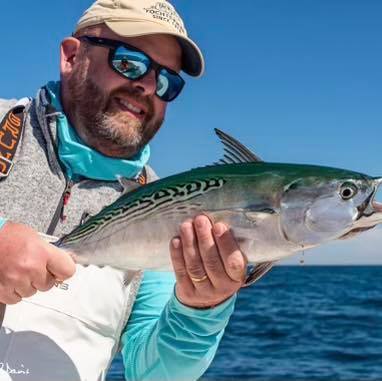
You can find out about the conversations industry associations will be having with lawmakers at ABC and throughout the year starting on Page 6, where I interview NMMA interim vice president of public policy and government affairs Clay Crabtree. He’s a passionate angler and boater who fell in love with boating and fishing when he was a child. I found his keen insights into the policy issues affecting the marine industry fascinating, and I now feel like I have a good pulse on the important issues he and his team will be putting in front of lawmakers this year.
For a broader dive into the policymaking and advocacy issues facing the industry, I encourage you to check out contributing editor Kim Kavin’s excellent reporting, which starts on Page 22. Kavin spoke to industry participants from the American Sportfishing Association, the NMMA and the U.S. Superyacht Association who are working on everything from fisheries science and regulations to tariffs, water access, infrastructure and funding.
The other theme of this issue is systems integration, the melding of many different components and accessories inside a boat. During our planning, we noodled what sort of production boat we should hold up as a kingpin of systems integration. It didn’t take us long to land on the largest outboard-powered recreational boat in the world, Scout Boats’ 670 series. Baked inside this revolutionary model is a litany of systems that are integrated to provide an enjoyable, safe boating experience. Senior editor David Conway’s reporting about the boat starts on Page 28.
Also part of this issue is autonomous boating, which has come a long way in the past couple of years. My first encounter with the technology, a few years ago, was awe-inspiring but problematic. I went on a test ride with one of the first autonomous systems to arrive in the United States. While the boat was able to navigate itself perfectly for most of the trip, docking on its own when we returned to the marina, it did brush a drawbridge fender during the journey.
My more recent experience with the technology, late last year, was much better. To learn about the components that go into autonomous systems from a variety of manufacturers, have a look at Ben Stein’s Getting Technical column starting on Page 34.
One way to feel less of a whipsaw as we move into prime boating season is to keep in tune with the latest technology shifts, policymaking and advocacy work that are all so important to our industry. Advancements are being made every day. We just have to be resilient and stay focused.
This story originally appeared in the May 2026 issue of Soundings Trade Only.