 Courtesy Dometic Group
Dometic Group is one of the largest manufacturers for the outdoor and marine industries. The company got its start in the 1920s, when two Swedish engineering students designed a cooling cabinet with no compressor or moving parts — what the company says was the world’s first refrigerator. It worked so well that, in 1923, the Swedish company Arctic acquired the manufacturing rights.
Electrolux founder and “vacuum cleaner king” Axel Wenner-Gren acquired Arctic in 1925 and began mass production of the absorption refrigerators. Dometic was born in 1968 when Electrolux established Dometic Corp. in the United States. Electrolux went on an acquisition tear in the years to come, buying companies specializing in refrigeration, ovens, and awnings and windows for RVs.
In 2001, EQT III Ltd. acquired the assets of Electrolux and created the Dometic operating and legal structure. From there, Dometic acquired such well-known marine brands as SeaLand, TME, Polar Bay, Atwood, Oceanair and SeaStar. Today, the company operates 23 factories worldwide with more than 8,000 employees.
 Courtesy Dometic Group
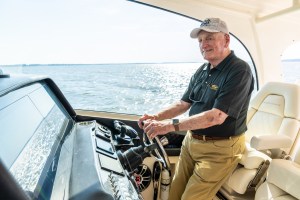
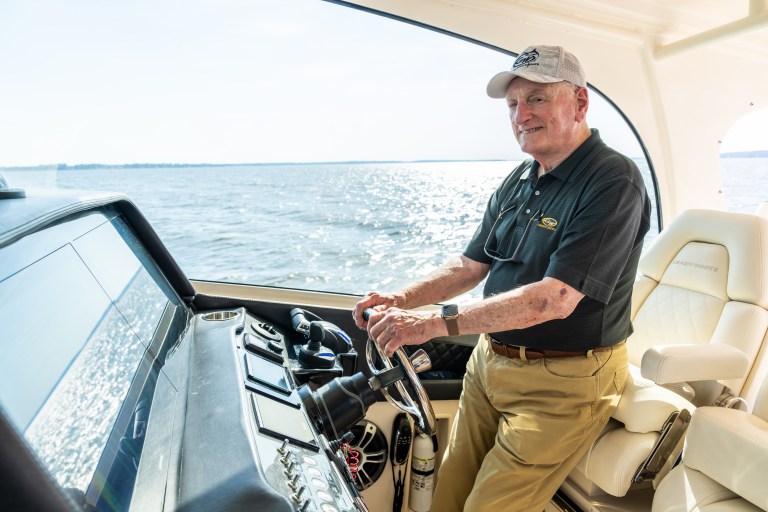
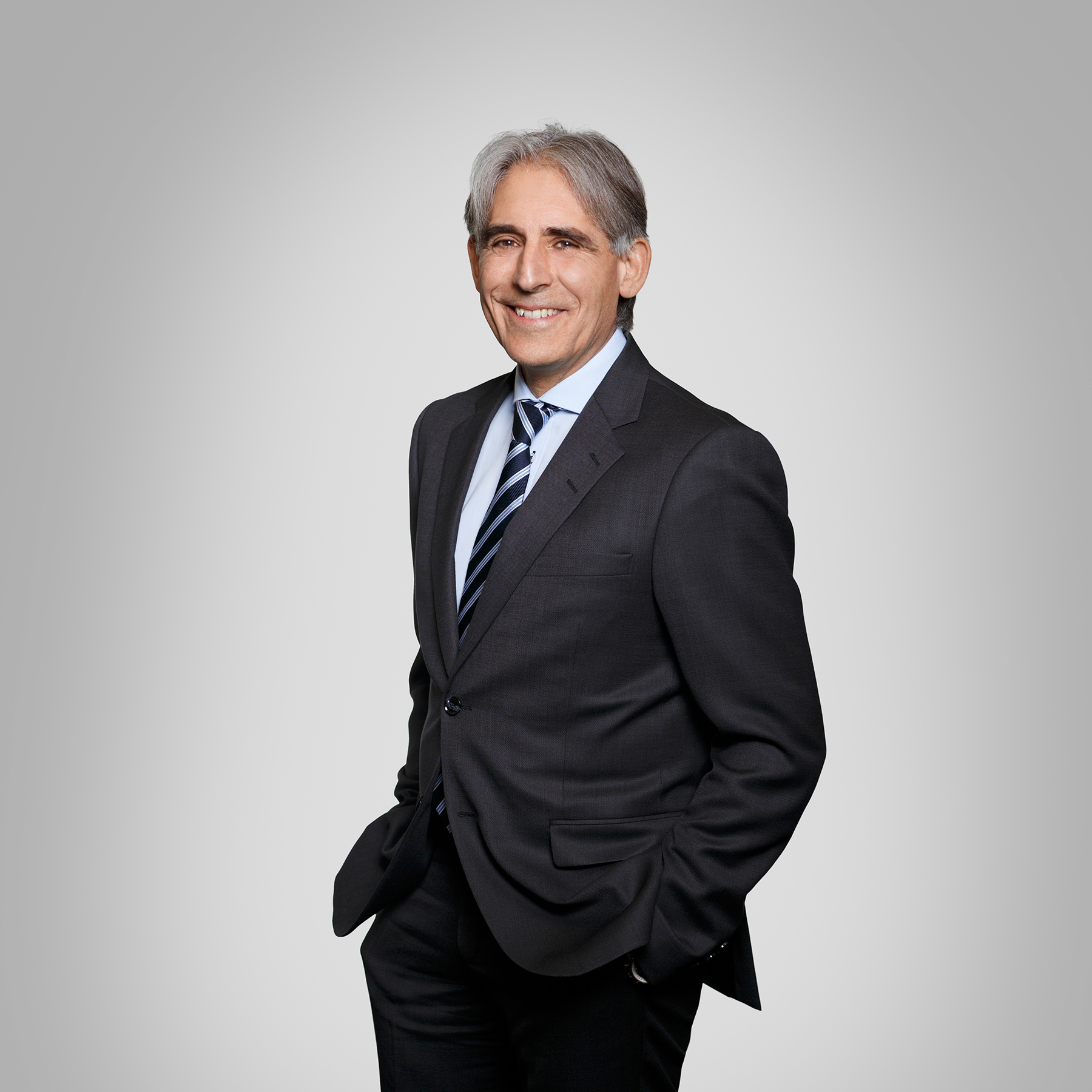
At the helm since 2018, president and CEO Juan Vargues came to Dometic after a 13-year run as president of Assa Abloy Entrance Systems, a manufacturer of security doors and automated entrances. A passionate engineer by training, Vargues has overseen the acquisition of 11 companies during the past six years at Dometic. Soundings Trade Only spent time with Vargues at the Miami International Boat Show in February to gain insight into his management style, views on sustainability, the aftermarket and more. This interview has been lightly edited for space and clarity.
What can you tell us about your personal and professional backgrounds?
I was born in Spain. I also met my wife, who is Swedish, in Spain. At the time, when we met, we still had military service, so I was in the next-to-last crew that had to do mandatory military service. Then, after the service, I moved to Sweden as a mechanical engineer. I have always worked for global companies. I started my career year at SKF, a leading global company in ball bearings. I spent nine years working in manufacturing. After nine years, I wanted to work more closely with the customer.
How did you achieve that goal?
It is not easy when you are the so-called “young talent” in an organization. Back then, I was told that my future was running the major factories of the world, but I really had a very strong feeling for meeting the customers, understanding them and learning the other side of the business. That’s around the time I got offered a job to move down to Spain, back home to Madrid, to run the sales organization for another Swedish global company. So I did.
I spent six years running Iberia first. So Spain and Portugal and then Southern Europe. After that, I moved back to Sweden to run Europe. Eventually, that company was acquired by another Swedish global company called Assa Abloy, which is the global market leader in door solutions. We had a lot of businesses in the United States, and I ran the largest division for that company. At the time, it was a $2.3 billion operation. Eventually, I was approached by a headhunter for Dometic.
 Courtesy Dometic Group
What did you like about Dometic?
What was appealing to me about Dometic was the history. The company is very, very old, and has been around for about 100 years. We became our own business in 2001, when Electrolux divested. We had very strong market positions all over the world, which is fantastic. But with that also comes new challenges. You ask yourself: How you are going to double and triple the size of the company when you have such strong market positions? It’s not easy, right?
Of course, with my background of acquisitions and getting to new adjacent markets, I saw opportunities to take Dometic to a totally different level. On the other side, with my manufacturing background, I saw a lot of opportunities to become more efficient. We had too many factories, too many suppliers and too much complexity in the organization. The Dometic journey has been very much about finding new ways of growing the company while at the same time becoming more and more efficient so we can fund our own growth.
Let’s talk about the size of Dometic’s aftermarket and OEM businesses.
We have three different channels. The OEM channel is about 40% of our business. Then we talk about the service and aftermarket channel, which is about 30%. And then we have distribution and direct-to-consumer, which is another 30%. If you want to simplify it down to OEM and aftermarket, then you could say 40% OEM, 60% aftermarket.
Between the RV and marine markets, which is bigger for Dometic in terms of sales?
The recreational vehicle segment is slightly bigger today than marine, but marine has been growing a lot in the last handful of years.
What happened to those segments post-pandemic?
The RV side started to slow down in the third quarter of 2022, and that was a dramatic change. You look at the period between July 2022 to October 2023, and the market dropped 48%. The market halved. The industry had an all-time high in 2021, and then last year, the industry ended up at 315,000 vehicles, which is basically going back to 2012 and 2013 levels.
 Courtesy Dometic Group
We’re expecting the RV industry to start growing again. So we have gone through the destocking cycle, and now we are starting to go through the restocking cycle. But at the same time, we have marine. Marine was late. So normally the RV is the first market to react on the way down and on the way up. And then it takes about nine to 12 months before marine starts dropping. That’s our experience, at least.
Marine has been dropping for us now for two quarters. I don’t think that we will see any major change to the positive for another couple of quarters. But I also believe that interest rates play a very important part of this discussion. As soon as the Fed decides to take away a quarter of a point, I do believe that the negative sentiment that you have in the market is going to be moving into positive sentiment, and people will dare to spend some more money.
How did Dometic navigate the challenges of Covid-19 and the related supply-chain issues?
It was really a problem of electronics, because, obviously, any kind of electronic supplier was prioritizing medical, or priority number two, automotive. So of course, our industry or industries, no matter if we are talking about RV or marine industries, are very small, so we never got any priority. Dometic, like any other company in this industry, ran into problems sourcing microchips.
It was about juggling and finding solutions every single day. Then you have the freight situation and disruptions in the supply chain. From a top-line perspective, from a growth perspective, it was fantastic. Sales were dramatically down for six months and then dramatically up. Then there were new problems. And then after 18 months chasing components, the market drops again. It has been a roller coaster for the last couple of years.
Does Dometic have a staff that deals with sourcing components?
It’s not just sourcing. Top management is involved in those discussions. Again, what do you do? The market is there that if you don’t supply, somebody else is going to supply. When consumers are shouting, “I want to have my boat now, not in two years,” what do you do? It was tough. The market was booming, but it was really a struggle every single day.
Aside from interest rates and inflation, what headwinds is Dometic facing?
The pandemic obviously helped us big time. When people were feeling troubled, they spent time at home or in the country or on the water, which means that, again, the boating industry, the RV industry were booming. The cycle is one issue. The second issue is obviously inflation and interest rates. We are in a consumer business, and if you look at any other consumer business, it has been suffering for the last couple of years. So have we.
I believe that interest rates are one of the most critical questions that we’ll have to address during the coming 12 months, no doubts about that. But then you have the Red Sea shipping-lane situation, which is popping up again and a threat to the supply chain. I don’t expect any major problems, though. Of course, the problem is that when they shut down that lane, and now they need to go through South Africa, you have a long lead time, but you can plan for that. That said, I don’t expect any major issues more than additional cost.
What are two or three things about the Dometic business right now that you feel good about?
First of all, that we are in the right spot. I do believe in the outdoor industry. A lot of people talk about the pandemic having created the aspiration for people to spend more time in nature. That’s not true. The outdoor industry has been growing for the last 15 years. The pandemic accelerated it. If you go back to 2010 and 2011 and draw a line to today, you will see that the outdoor market has been growing around 8% year on year. That’s good. This is a good spot to be in.
Then, of course, innovation. We believe that innovation is the driving force behind growth. Companies that do not innovate will not survive over time. We believe that we are strong in innovation in all the areas where we operate, and you can see that from a marine perspective, that we have various product categories based on our innovation.
The third parameter is the aftermarket. The fact that we experienced a lot of growth in combination with the pandemic means that the fleet is bigger today than it was in 2018 and 2019. That will create aftermarket opportunities a couple of years from now. I think the outdoor trend is here to stay.
Consolidation and acquisition have been important to the Dometic business model from the beginning. Is that still the case?
Absolutely. Again, you need to have innovation, and innovation will drive growth. The problem is when you start moving yourself into new markets. Of course, you can still grow, but it will take many years organically. So to me, acquisitions are not just about buying a new product. It’s about acquiring a brand and brand recognition. It’s about acquiring talents, people and understanding the business from day one. This way, you get a critical mass much faster.
I think organic helps you to understand the business. But to grow the business for real, you also need to have the acquisition. If you look at marine, Dometic has been in the marine industry for 23 years. For example, with the SeaStar acquisition, if we had not done the acquisition, it would take many years to get where SeaStar was in the market when we bought it. Getting SeaStar to be part of Dometic has helped Dometic to grow into other product segments.
How does Dometic attract a qualified, smart workforce?
I have always worked for very decentralized organizations that are global market leaders. I believe in decentralization. Great people want to have a say, and great people need to feel accountable, so we try to create that environment.
Coming back to acquisitions: Sometimes they are scary because people believe that there is somebody sitting on the bench that is going to take their job. For us, it’s the other way around. To me, one of the most important assets in an acquisition is the people who are following the management team that comes with the acquisition. And my job is to make sure, obviously, that we will keep those people working for us, as well. If you look around Dometic, you will see a lot of people that came in 2017. Six years later, they’re still working for this company. Eric Fetchko, the Dometic Marine Group president, is a great example. Again, to me, it’s superimportant that Eric feels that he’s running this business. Then, of course, my job is to challenge Eric. But I’m not running the business; he’s running the business and running other businesses. That’s why you need to combine, need sometimes to compromise, because all our businesses want to invest, all our businesses want to grow, and you need to prioritize from time to time.
The workforce is a big challenge in the marine industry. Does Dometic struggle to find good people?
Talent is talent. That’s why we use the word talent, because they are not easy to find, and they’re not easy to keep. I think that labor, especially qualified labor, is increasingly difficult to find no matter the industry.
How many employees and facilities does Dometic Group have?
It’s about 8,000 people and 23 factories worldwide. We have sales offices in more than 30 countries and our products are sold in 100 countries.
You regrouped a lot of your marine products under the Sierra name two years ago. How is that going?
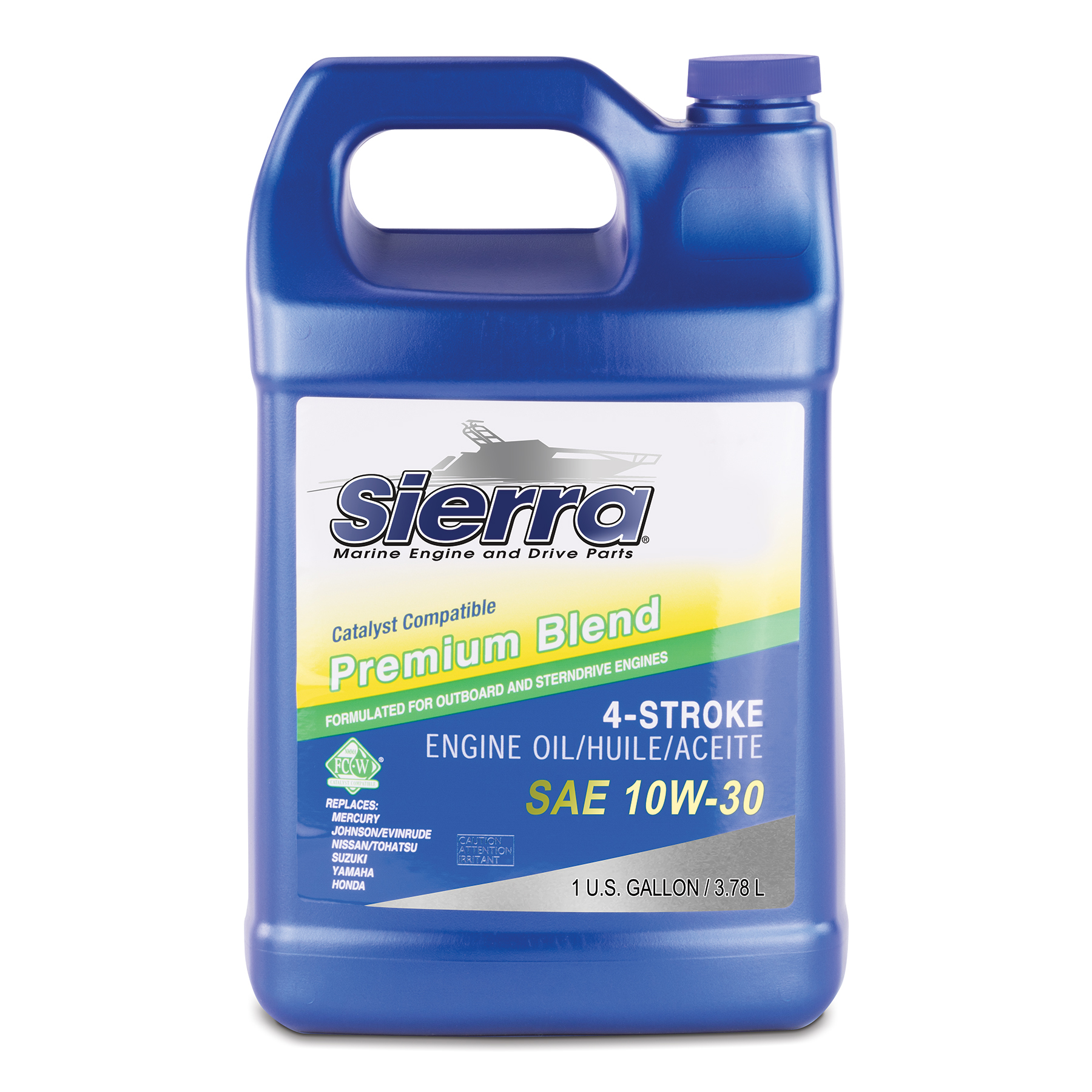
I believe that it’s been very important for our company. I don’t believe in brand houses. I do believe that for a consumer, if you don’t understand that those brands are part of a family, one brand will not support another brand. So it’s extremely important to have a clear idea on the branding. Most of our companies, when we are talking about premium products, will be Dometic, right? Sierra is something different. Sierra is a pure aftermarket business — on one side, selling aftermarket Dometic products but also selling other people’s equivalent products. And you don’t want to identify that as Dometic. Sierra is Sierra. Sierra is part of Dometic, but it’s a different business.
Does the electrification trend mean Dometic has to re-engineer components for generator-free boats?
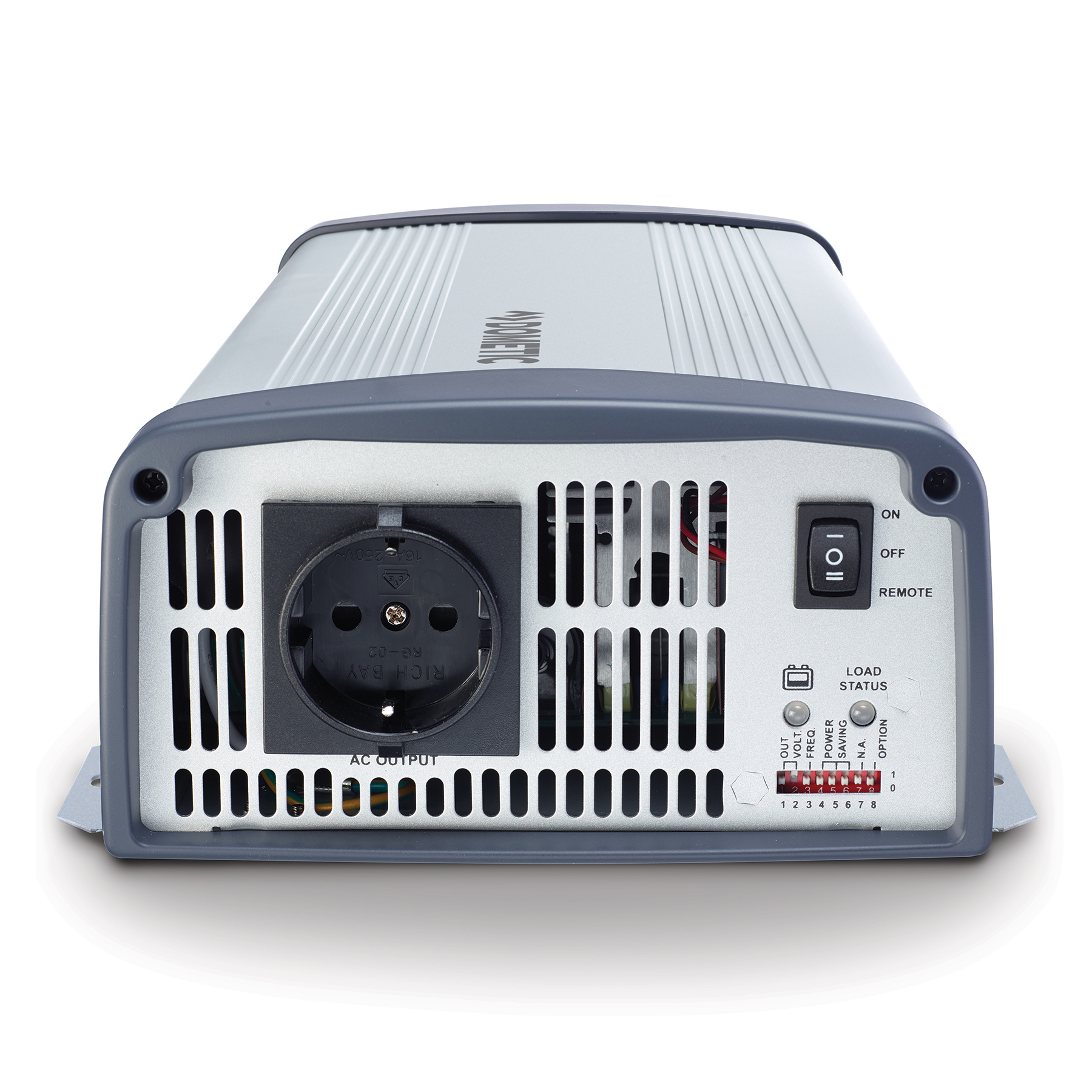
No doubts about that. And that’s why, if you look at that part of our display, you see a lot of energy-saving devices and products developed to work efficiently with other components.
What is Dometic doing to make its operations and products more sustainable?
We have environmental, social and corporate governance. For us, environment is not just about having clean factories or using electricity instead of diesel generators. It’s also about the major carbon dioxide impact you have, and how you engineer your products.
Whenever we are launching a new product, one of the targets is reducing electrical consumption. How do we increase the duration that you are going to use the same power? That’s one of the keys in our product development. We have clear targets on every single product-development project. Then we have factories, our sites. How do we reduce consumption? How do we treat waste? But also, how do we treat people? How do we make sure that we don’t have injuries in our factories? How do we make sure that people feel good about working for us? How do we get them engaged if they don’t feel that we are a good workplace? We are working with the whole palette within sustainability.
Is there anything in the future that you’re excited about?
I think it’s innovation. Obviously, a lot of things are going on right now. We are talking a lot about electrification. Many industries are talking about electrification. But I don’t believe that electrification is the only answer. I don’t think that it’s going to be the silver bullet. And if we are talking about marine, it is clear that if you are going to take your boat a couple of hours for fishing in a lake, you can have an electric boat. But if you are going to be out fishing for the whole day or a couple of days offshore, no. So we’ll see where it all goes, but we’re very happy now with our position in the market and our strategies going forward.
This article was originally published in the April 2024 issue.